The New York Hilton Rockefeller Center Years — A Foundation is Set (1962–1971)
Résumé Entry Snapshot
4/62 – 4/71
Food & Beverage Manager, New York Hilton at Rockefeller Center
Began as Banquet Sales Representative; climbed the ranks to Banquet Manager, Assistant Food & Beverage Manager, and ultimately Food & Beverage Manager.
Orchestrated the implementation of operational controls and revolutionized kitchen traffic flow with a clever redesign.
Commanded a $13,000,000* food and beverage empire featuring five restaurants, two lounges, and 42 function rooms.
*Numbers that impress. Results that stick. *(≈ $121 million today)
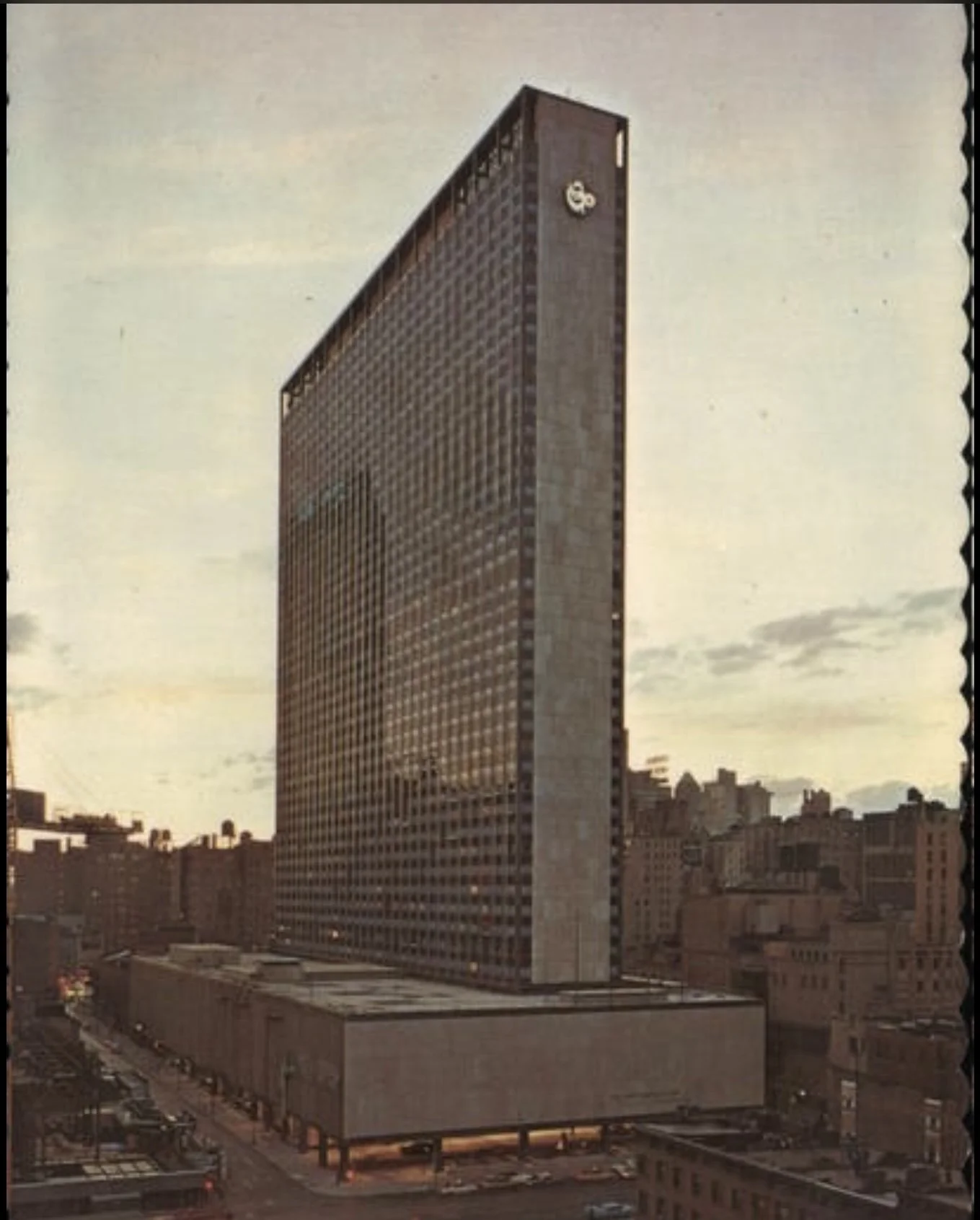
The New York Hilton Midtown opened on June 26, 1963, originally named The New York Hilton at Rockefeller Center.
At its opening, it was the largest hotel in New York City, boasting 2,153 rooms.
Though the hospitality landscape in Manhattan today may leave us nonplussed by the architecture and design of the New York Hilton Midtown, it was considered groundbreaking in 1963…from infrastructure and mechanicals, to fabrics, furnishings and decor…every texture, color and placement was unique and well thought out, creating a somewhat controversial but definitively unique and memorable design.
The project itself was an interesting collaboration between the Uris Buildings Corporation, The Rockefeller Corporation, and Hilton Hotels. It would rise to 44 floors and a construction price estimated at $75m…in 1963…today that would be 10x that amount $795 million.
A Meteoric Rise
In April of 1962, Frank Rota joined the Hilton organization, starting in the role of Assistant Sales Manager, where, according to Albert G. Cox, Director of Sales his “aggressive ability proved himself.” This nugget of information was a surprise to me. I knew he had worked at the Tarrytown Hilton, but I never knew he held a sales position.
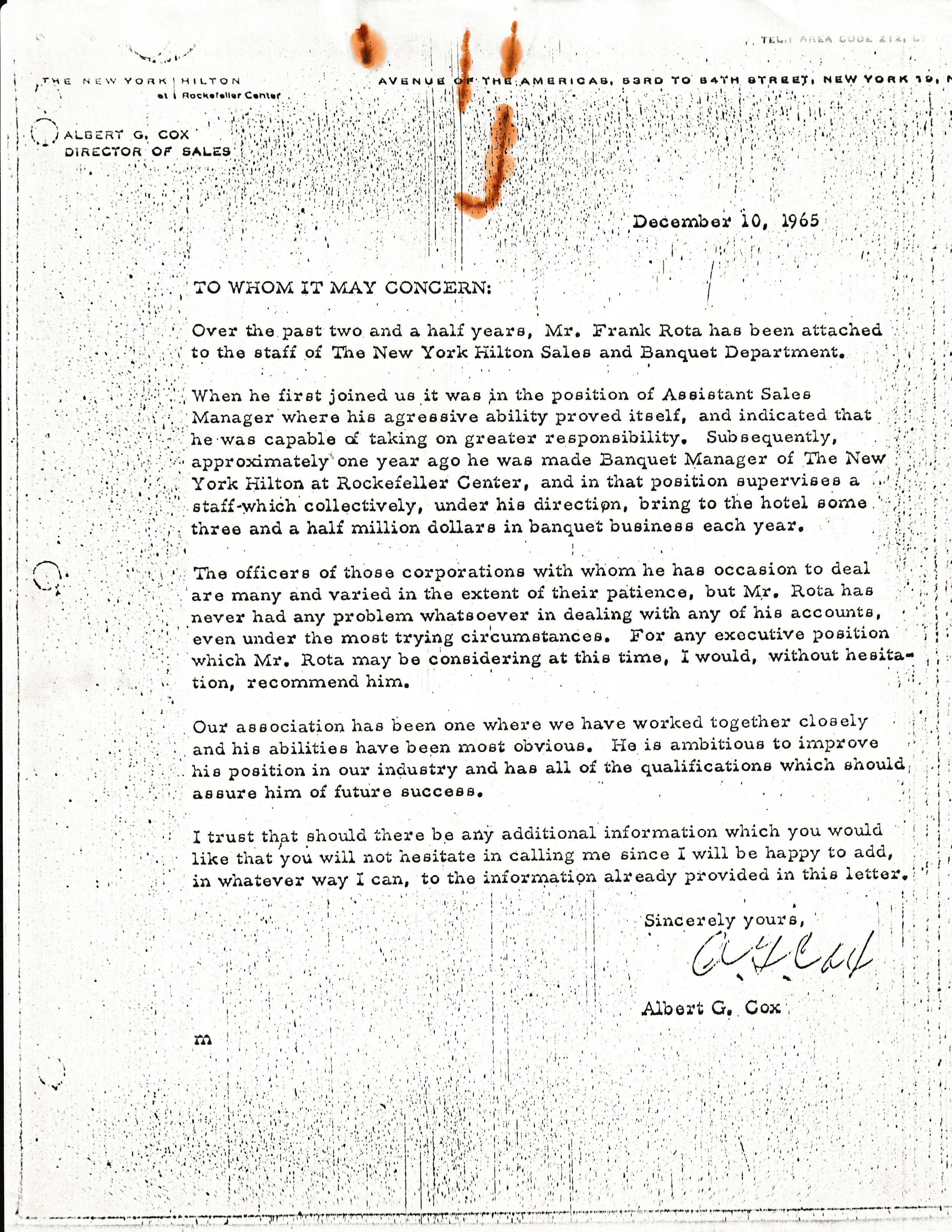
One heck of a recommendation letter.
In April of 1962, Frank Rota joined the Hilton organization, starting in the role of Assistant Sales Manager. This recommendation letter, written three years into his time at the Hilton, highlights the successes and challenges he faced.
It also makes me wonder if Mr. Cox was the mentor he mentioned on a few occasions.
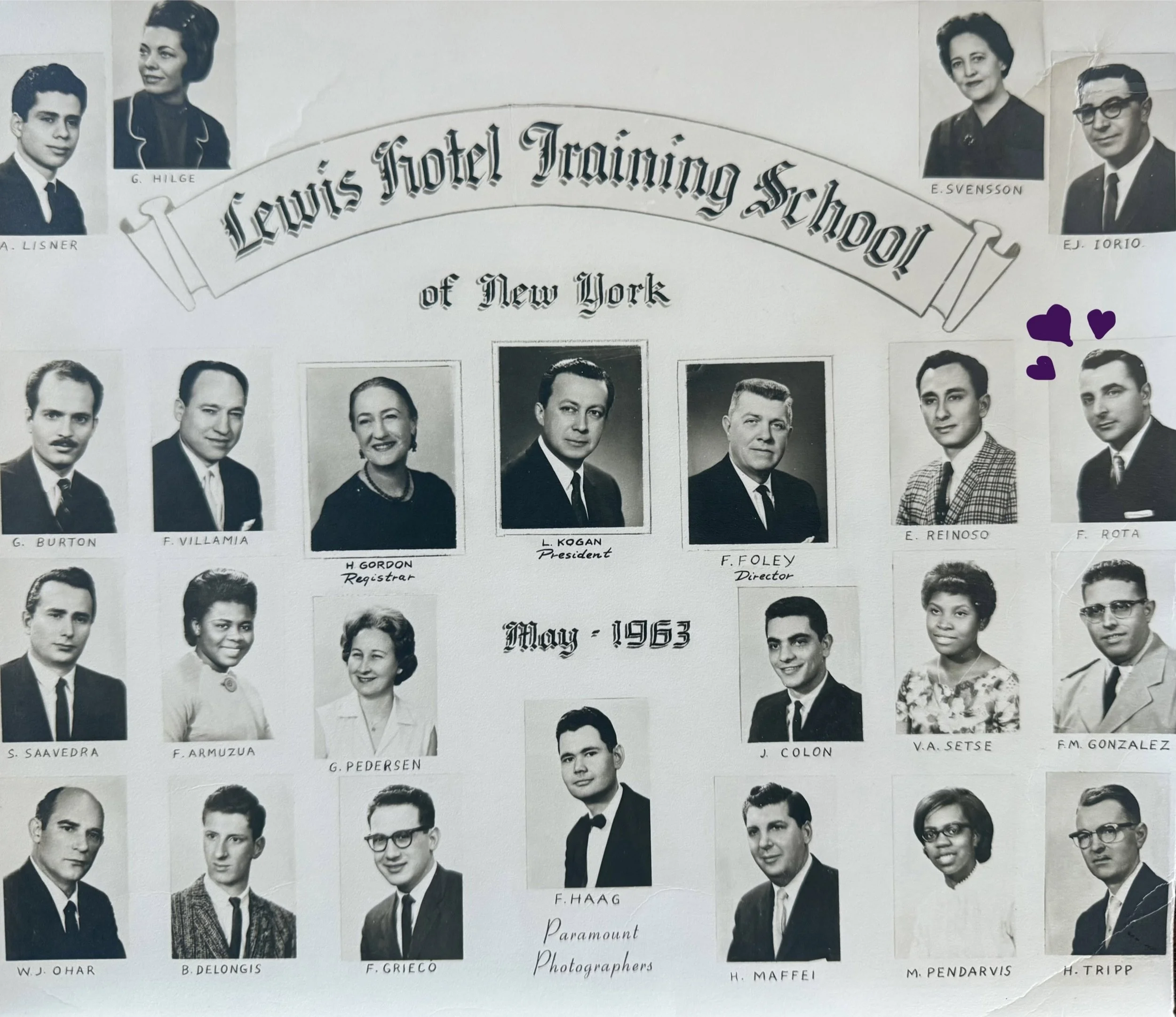
The lack of formal education bothered my father early on, and I think this was a fast way of learning front office and management operational reports and processes.
My Dad always seemed tireless, and he was burning the candle on both ends, with his sales position by day, school, and a part time night auditor job on weekends at the Americana Hotel.
(That job came to an end one night when a guest called my father a horrible name, to which Dad jumped over the front desk, punched the man who then fell back into the elevator as the doors closed.)
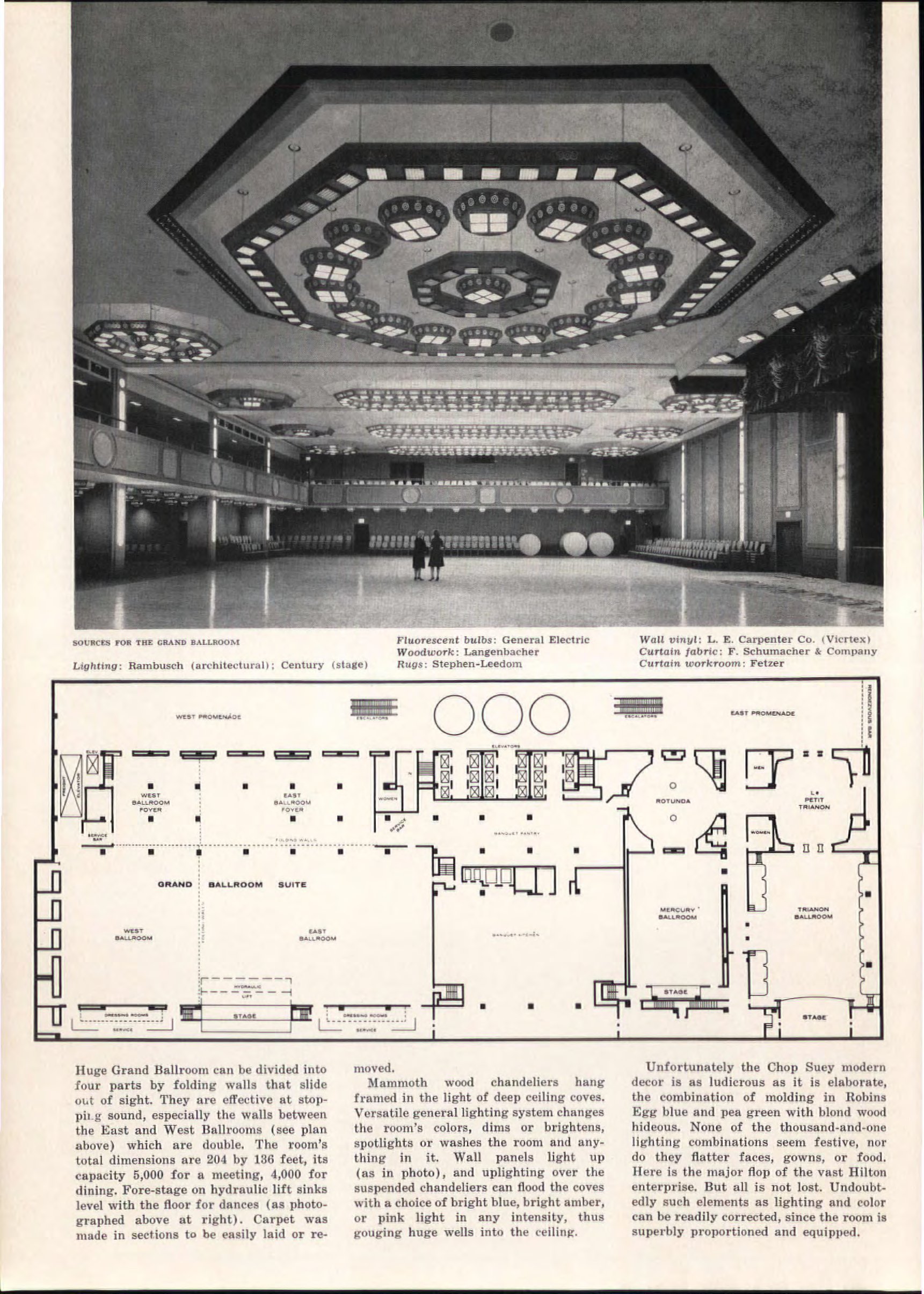
Frank Rota was promoted to Banquet Manager of the New York Hilton Rockefeller Center in October 1963, directing an operation that earned $3.5 million in annual business—an impressive figure for the time.
It is awe-and-fear-inspiring to see the original designs and photos of the event space that my father was responsible for. I have chosen to start this journey with the order of his resume posts, but there is a cache of experience prior to the Hilton that gave him the tools he would need to not just survive, but thrive in this environment.
Grand Ballroom dimensions 204’ x 136’, seating 5000 for meetings and 4000 for dining.
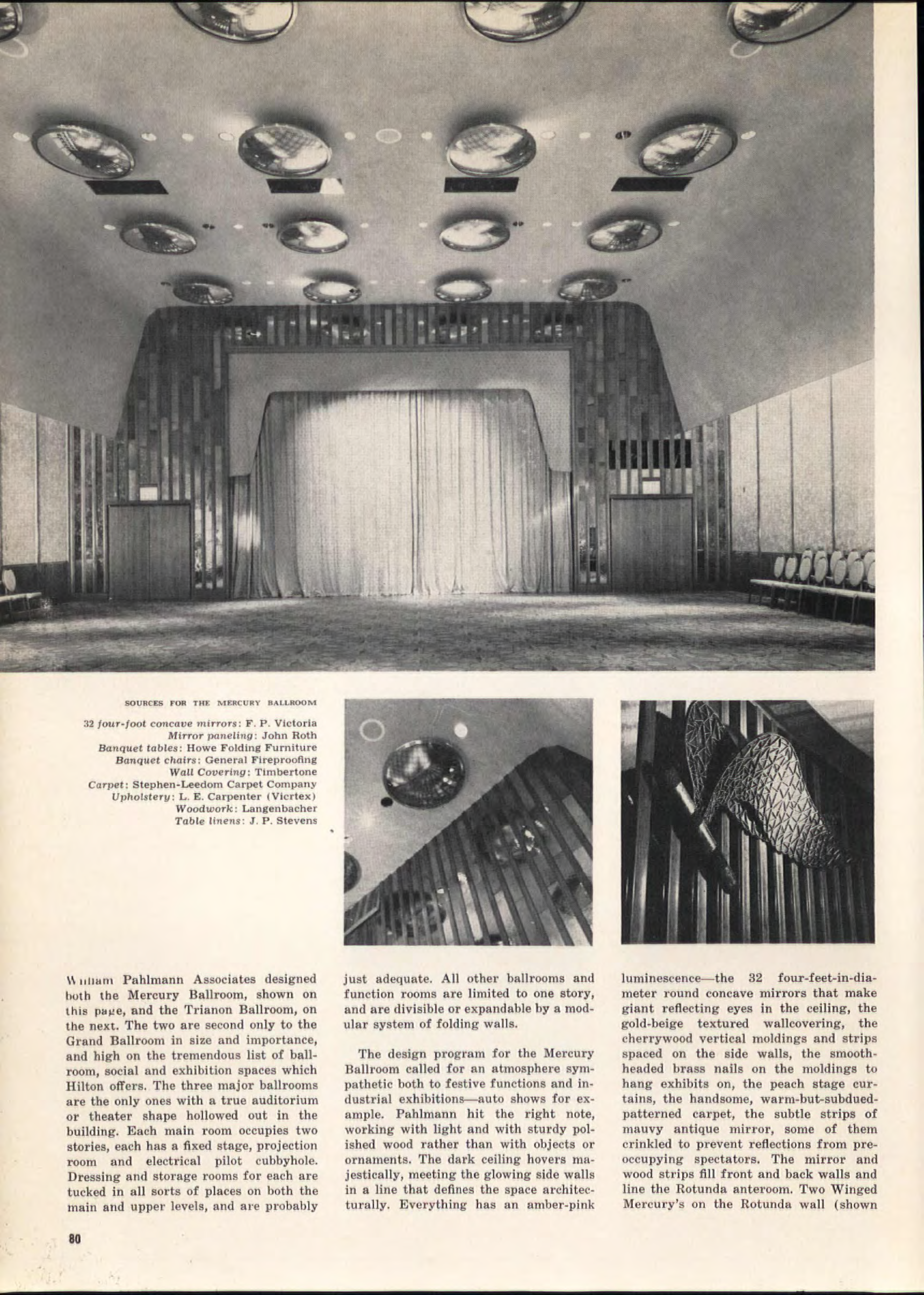
Even in black and white the Mercury Room is stunning.
All event space had the latest in features, with awe-inspiring results.
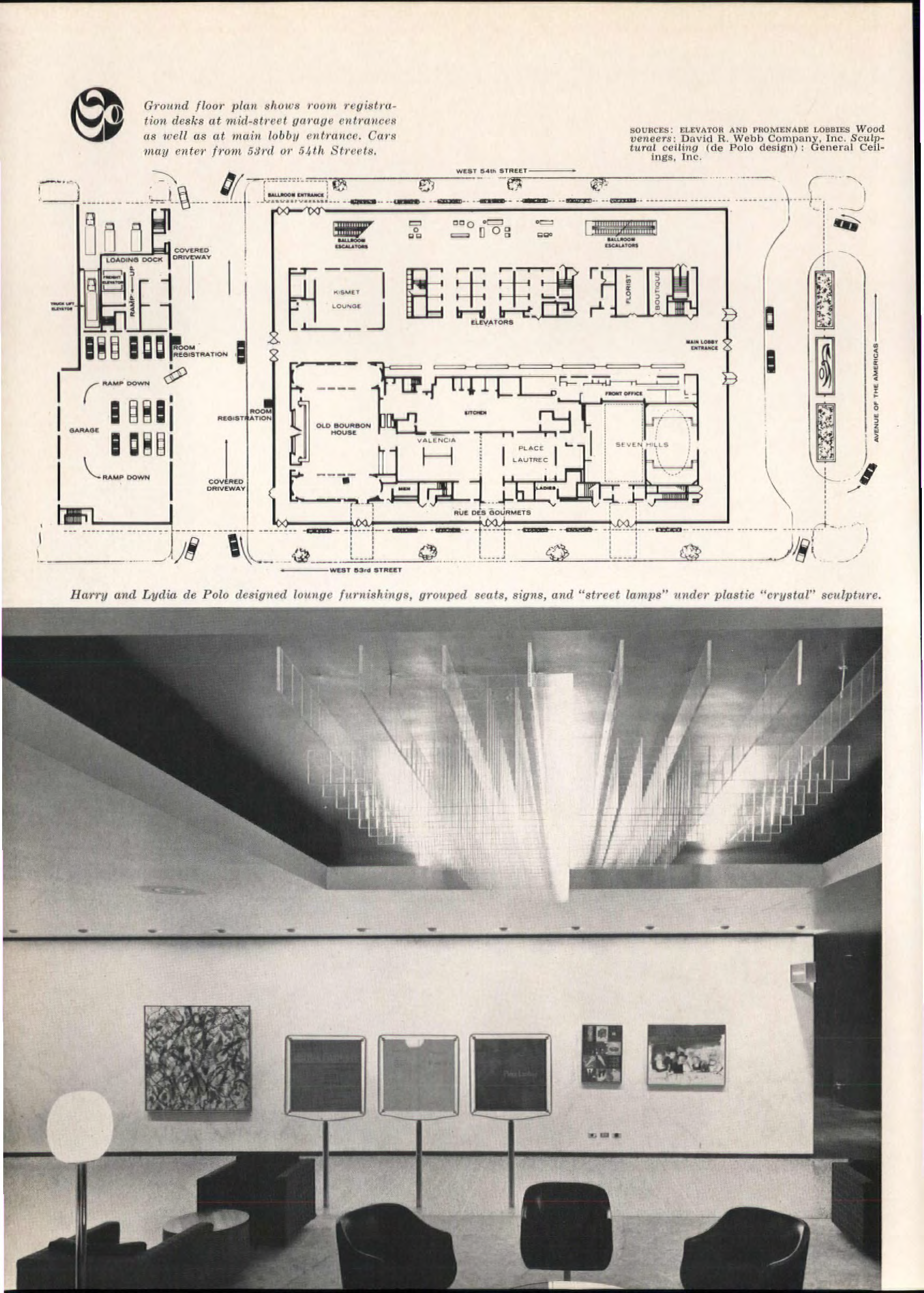
Mercury Rising Fast
Less than 1 year after his Banquet Manager promotion, he was elevated to Assistant Food and Beverage Manager, and then to Food and Beverage Manager in 1965.
The big day finally happened, Dad was handed the keys for the entire Food & Beverage operation in 1968.
By 1964, he was promoted again—to Assistant Food and Beverage Manager, and then to Food and Beverage Manager in 1965.
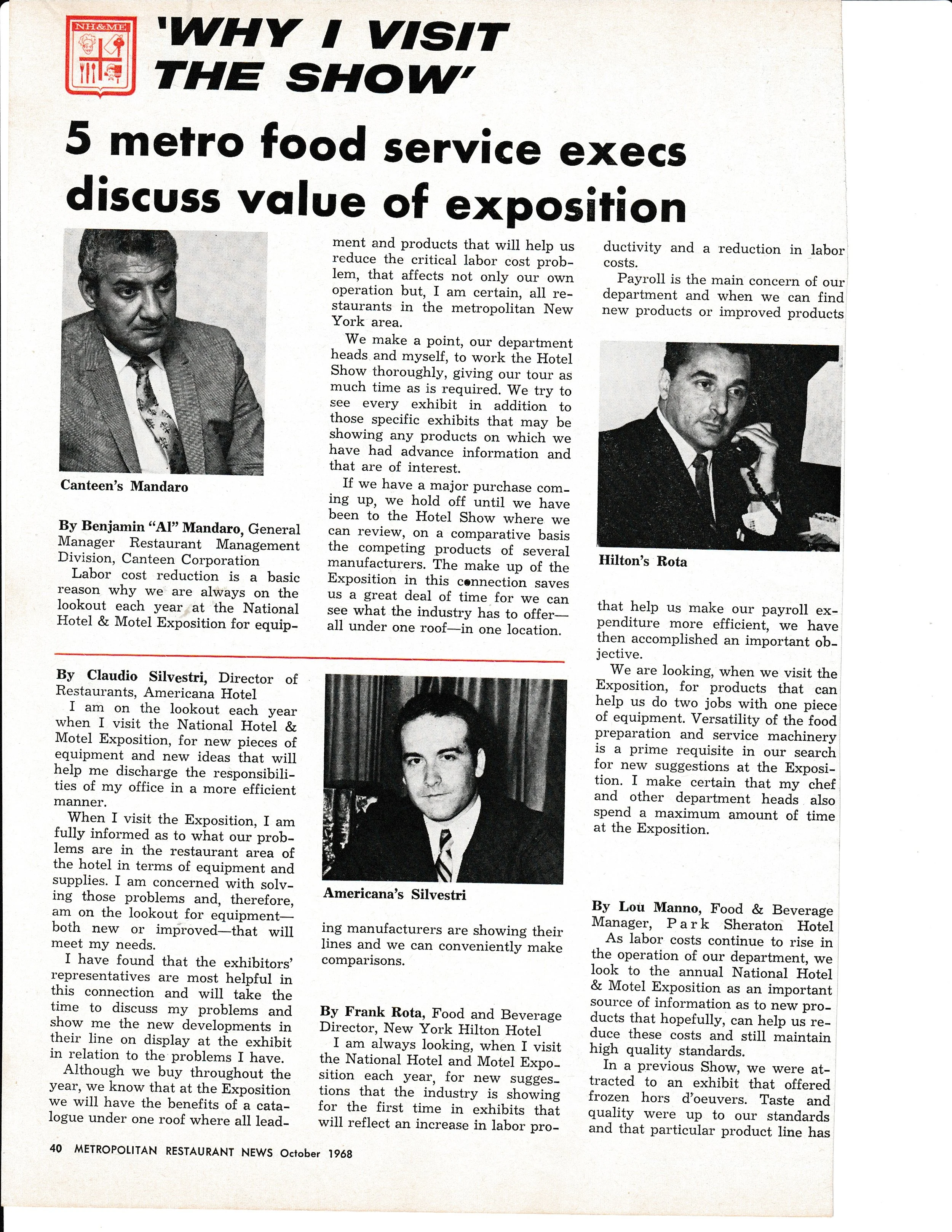
Settled into his Director role, Dad was quoted as saying that watching costs—especially labor, was always top of his mind. Productivity always was a key part of his focus, but he always approached saving money by how he could streamline, even if it’s redesigning a kitchen to be more productive.
His final promotion came in February 1968, when he became Director of Food & Beverage—right in the middle of a New York City garbage strike, which he later recalled with a shudder even forty years later.
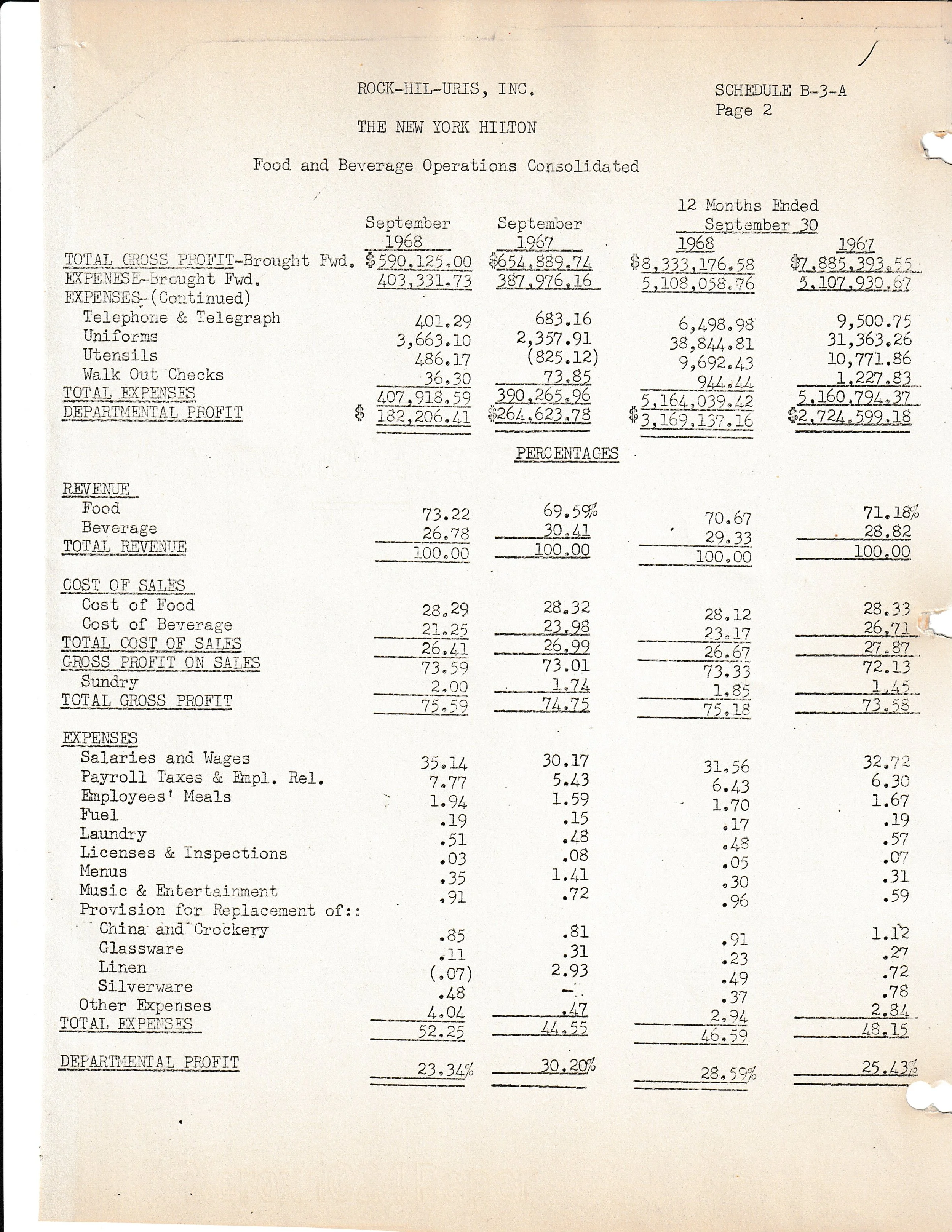
An Impressive P&L
Numbers always tell a story, and this one shows a remarkable departmental profit. Oh how I wish I could see the detailed report, but the consolidated page does translate to successful management.
With the amount of dining outlet all featuring different cuisines, room service for over 2000 guestrooms, event space for over 10,000 people…it is truly awe-inspiring to have such tight control on cost, especially labor.
This all happened while my father met my mother, decided to start a family, built a house in New Jersey, and bought a riding mower.
He was a rock star.
This did not go unnoticed….
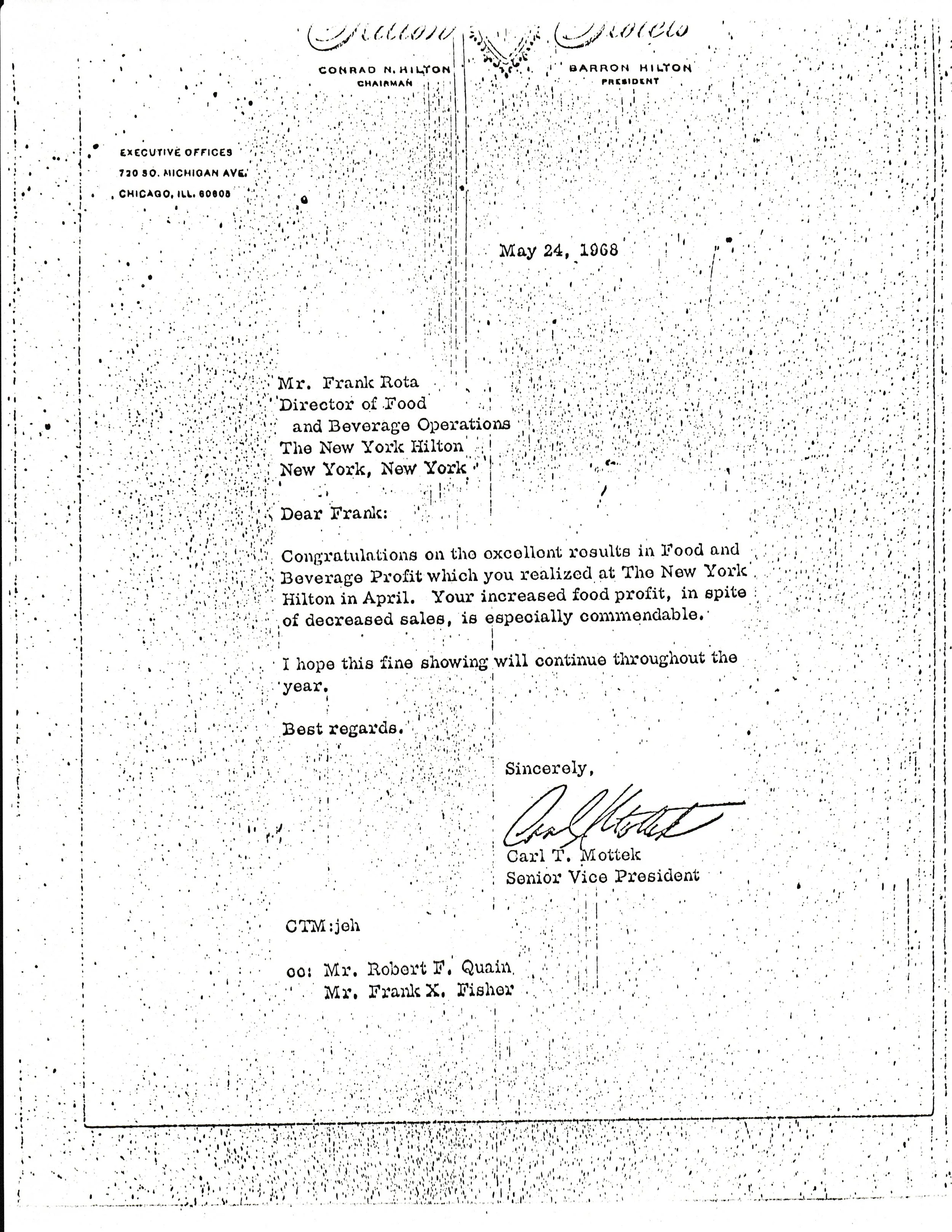
In May 1968, my dad received a written commendation from the Senior Vice President of Hilton Hotels for “excellent results in Food & Beverage profit… your increased food profit, in spite of decreased sales, is especially commendable.”
However, it is the line, “I hope this fine showing will continue throughout the year.”, that makes me chuckle. We would always joke about making goals “Wow, great numbers yesterday! What did you do today?”
Frank A. Rota would continue at the Hilton until 1971, when he had given up hope that he would one day be promoted to General Manager. He was ambitious, and had a lot to prove…to himself and an industry. He was also disillusioned with some of the bias that he experienced, unfortunately that would breed contempt later in his career.
“Your increased food profit, in spite of decreased sales, is especially commendable.”
A Mentor and a Moment
My father resigned from the New York Hilton in 1971, but during that mercurial tenure, he gained knowledge and developed habits that became hallmarks of his management style.
“Hilton stories” were like drops of gold when I was growing up.
As I got older, I realized he often felt the need to work harder and prove himself—perhaps because of his youth or lack of Ivy League pedigree.
There’s one story that always stuck with me. Early on, Dad had a mentor who recognized his potential and helped him rise through the ranks. One day, he was summoned to the upper offices and told he was being promoted—on the condition that he fire his mentor.
He told me how he struggled until his mentor stopped him and said, “Give me the respect of letting me go with dignity and professionalism.”
Dad did. But he admitted he never forgave the pettiness of that corporate decision.
A Final Goodbye
After leaving Hilton in 1971, Dad never worked in New York City again—though he considered it once in the mid-’80s. By then, Times Square wasn’t exactly ideal for a pre-teen daughter. In 2003, when I moved to New York for love and continued my own hospitality career, he came for a visit, and when we went on a walk, he bee-lined right to the Hilton. We walked through the Hilton together; he pointed out what had changed and what hadn’t. Then he led us straight into the back-of-house, walking as if he still owned the place.
It felt surreal—like some hospitality god made us invisible so he could walk through one last time. I can’t imagine how he felt, the past memories colliding with present reality. I don’t think he could have predicted the crazy ride his future would bring back in 1971, but it sure was interesting.
Art Heist
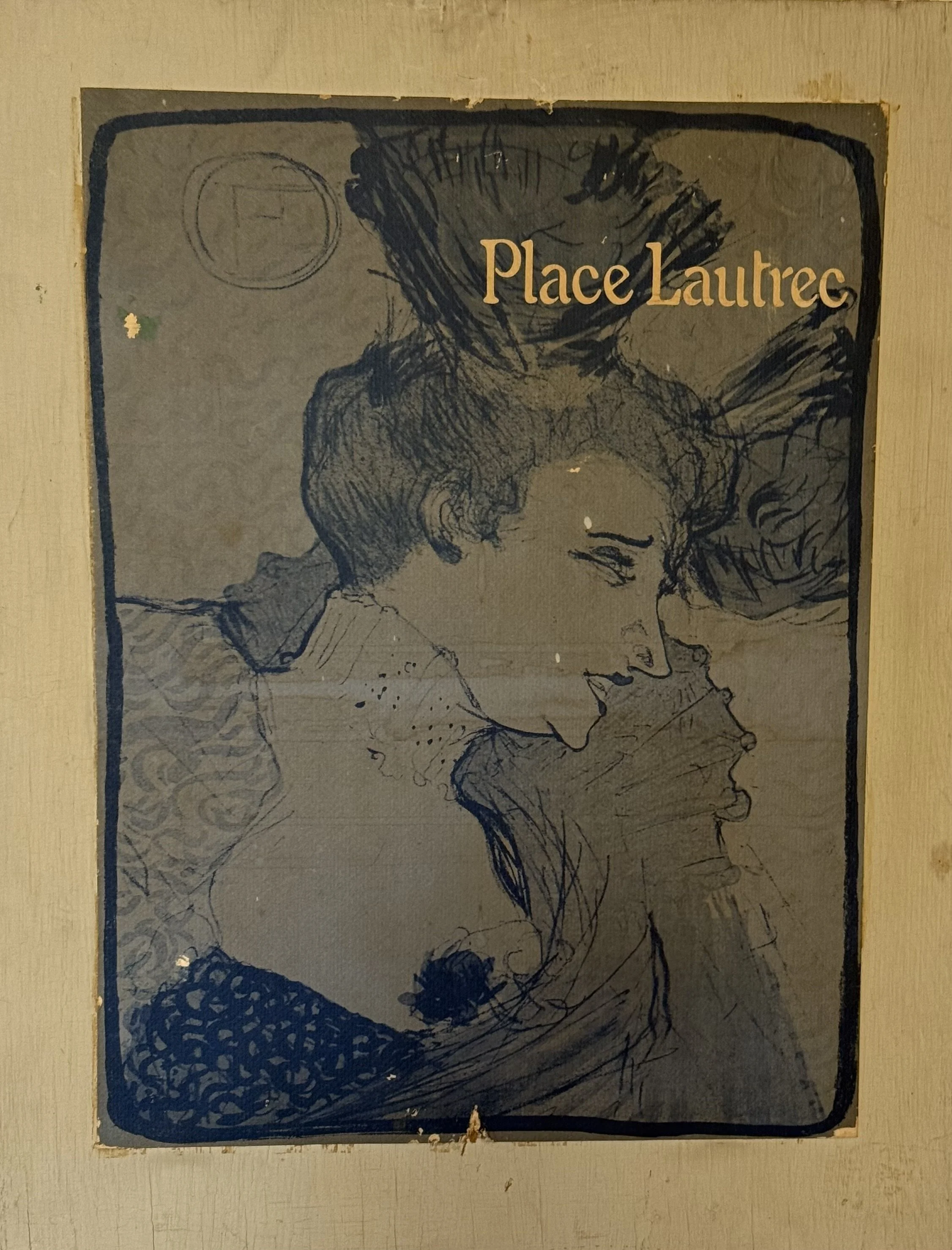
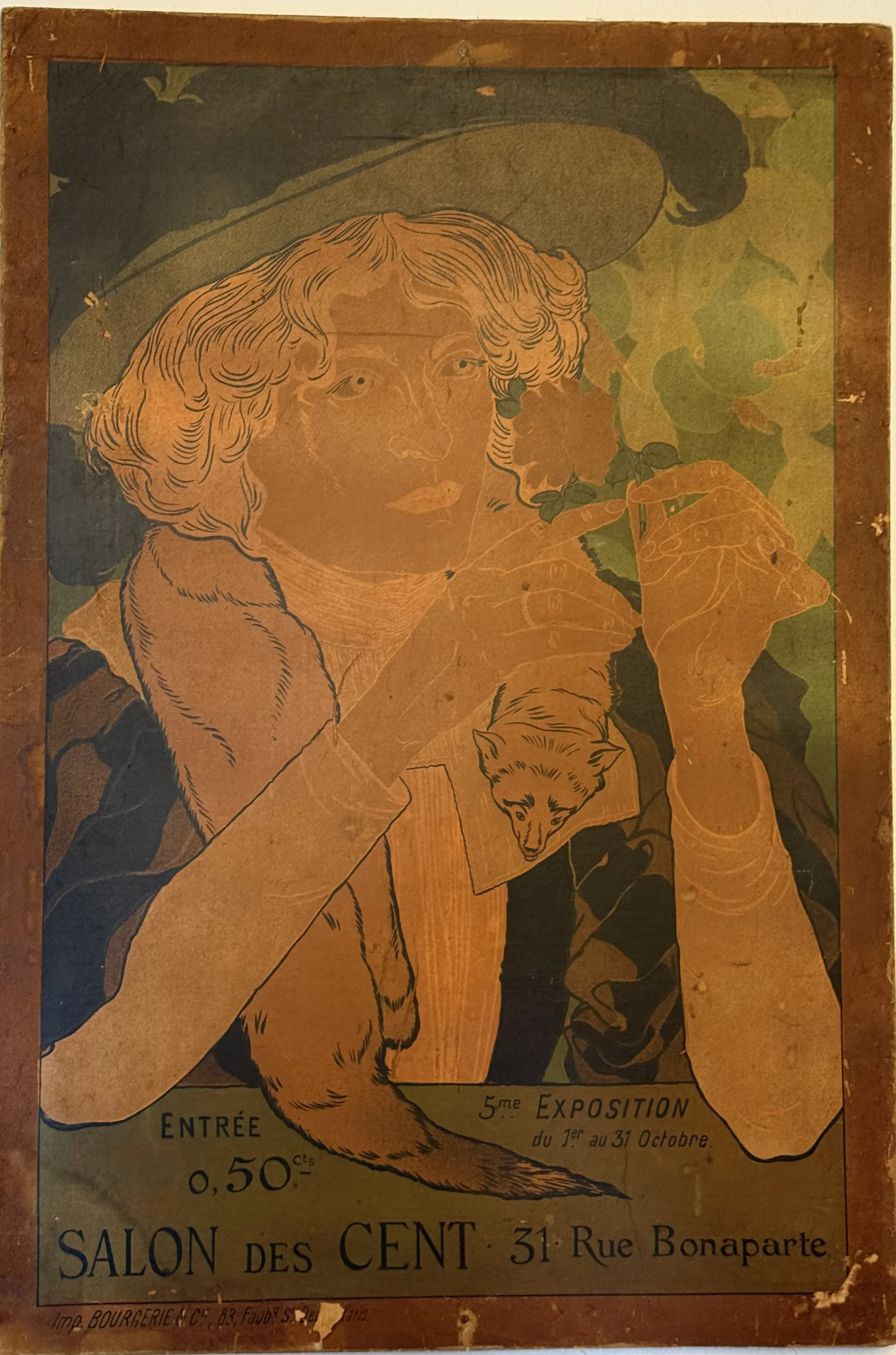
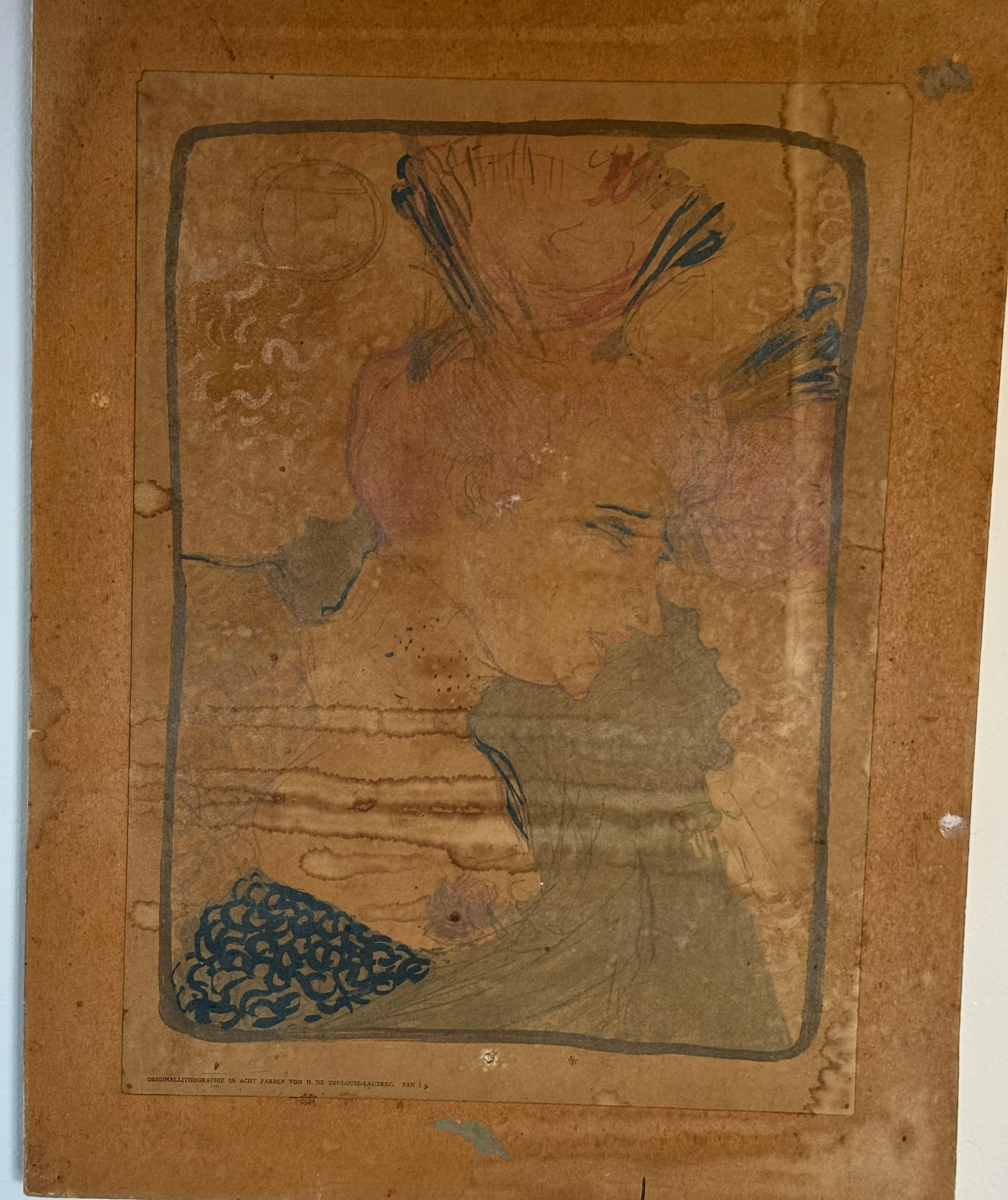
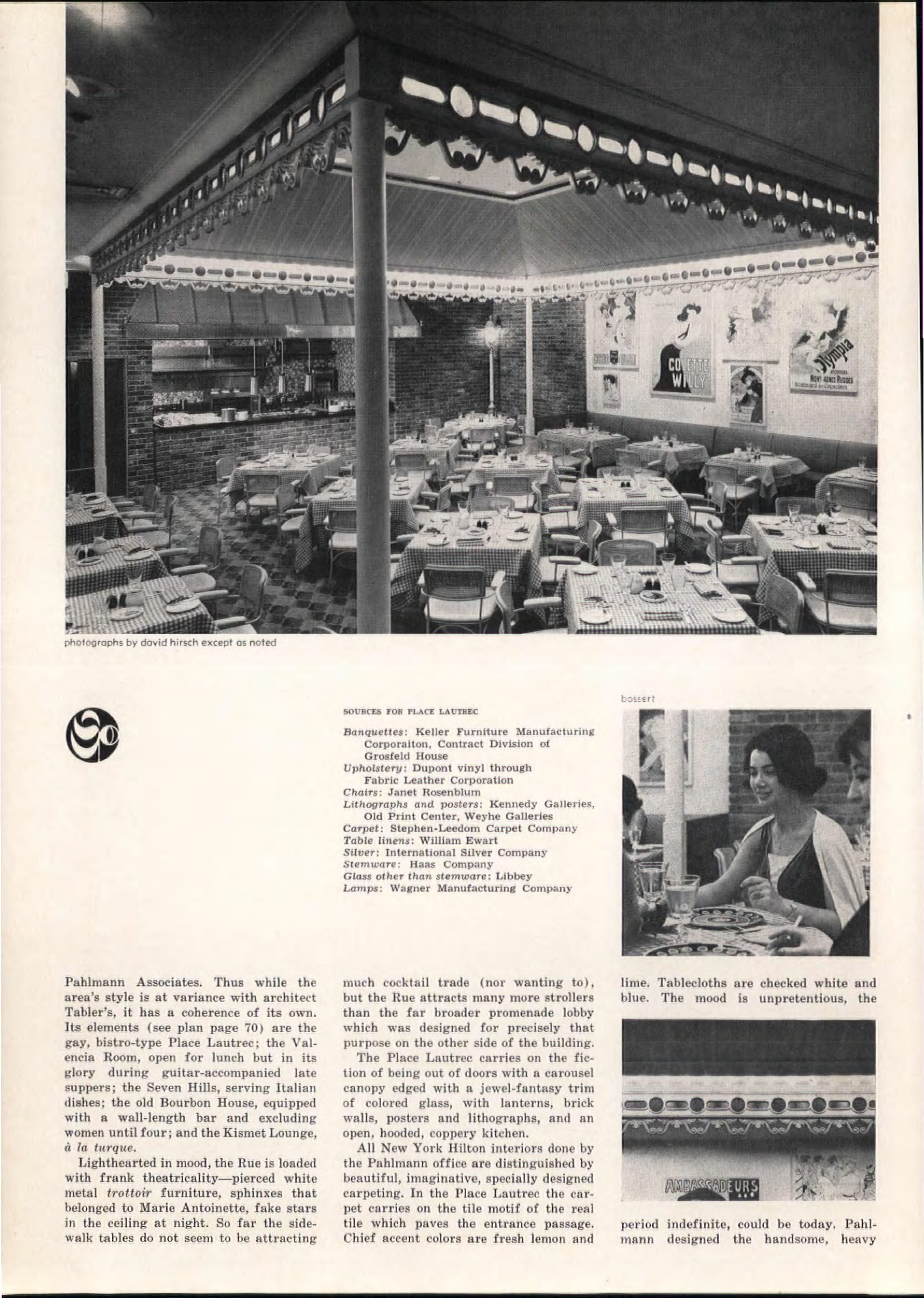
When the Hilton refreshed its dining outlets in 1965, three Toulouse-Lautrec prints from Place Latrec were rescued from the trash. Those three pieces traveled with us through every move. I call them “my ladies,” and they’re still with me today—watching over as I write this.
Ohhh, the Elbows That Were Rubbed
By the time Dad arrived at the New York Hilton, he had already crossed paths with musicians and celebrities.
While researching, I found a promotion announcement that hinted at his earlier career—explaining the depth of his food, beverage, and entertainment experience.
He also hinted at an after-hours life filled with cigars, whiskey, and late nights—and not always making it home to his then-wife (not my mother).
I’ll explore those names and nightlife tales in a future post.
But for now, here’s one remarkable image:
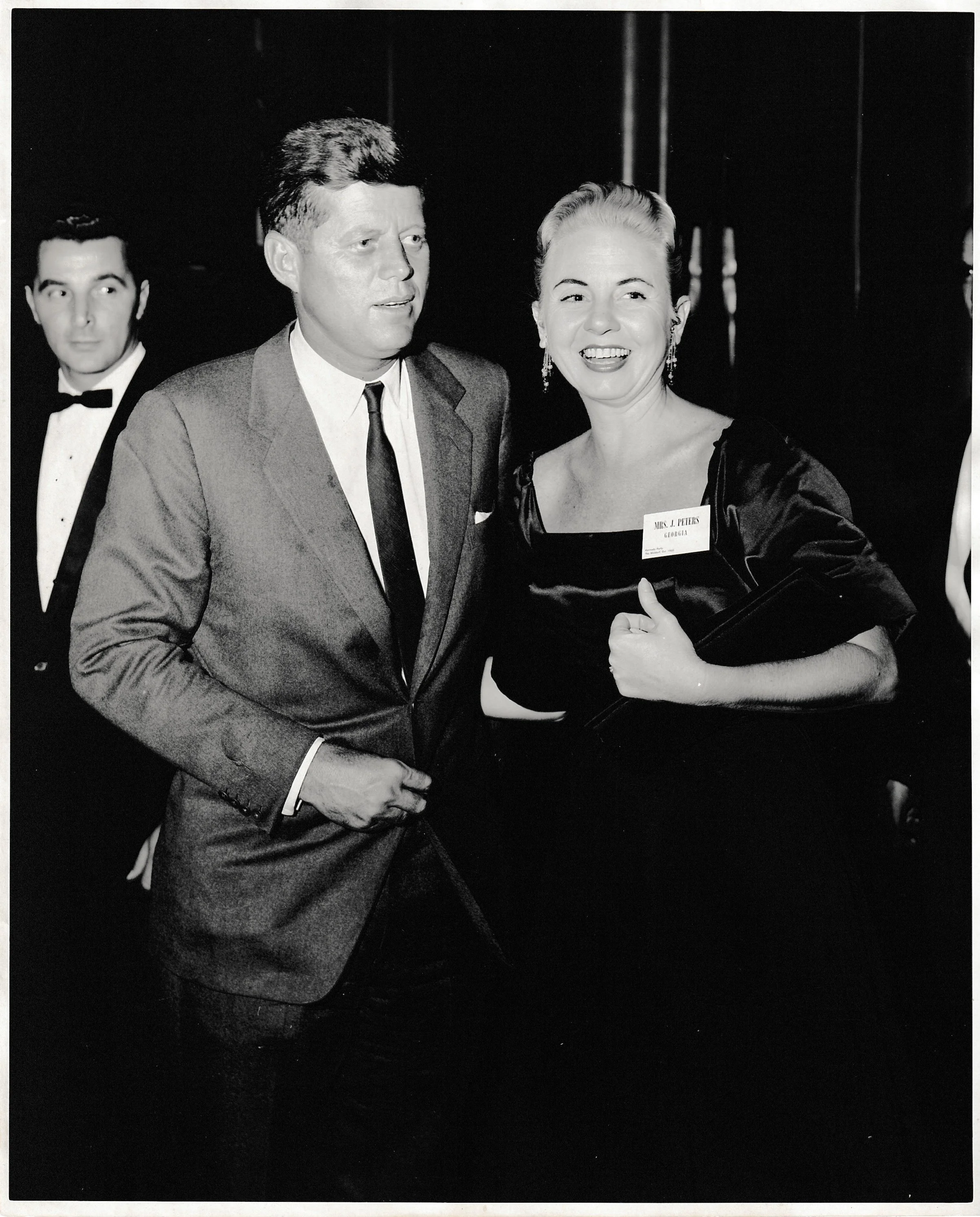
President Kennedy entering the New York Hilton ballroom—with my father visible in the background
Closing Reflection
This chapter of his résumé wasn’t just a job, it was the foundation of everything that followed. And for me, it’s where this story truly begins. If these stories stir a memory or remind you of someone who shaped your own path in hospitality, I’d love to hear from you. If you knew my dad or the hotels he worked in, please don’t hesitate to share.
Subscribe to follow along as I continue tracing the people, places, and lessons that built a life in hospitality — one hotel at a time.