The Hospitality of Dinner and a Show…
…From Gilded Stages to Bodies in the Dining Room
By Jennifer Austin – Everyday Hospitality Series
When Dinner and Entertainment Were a Package Deal
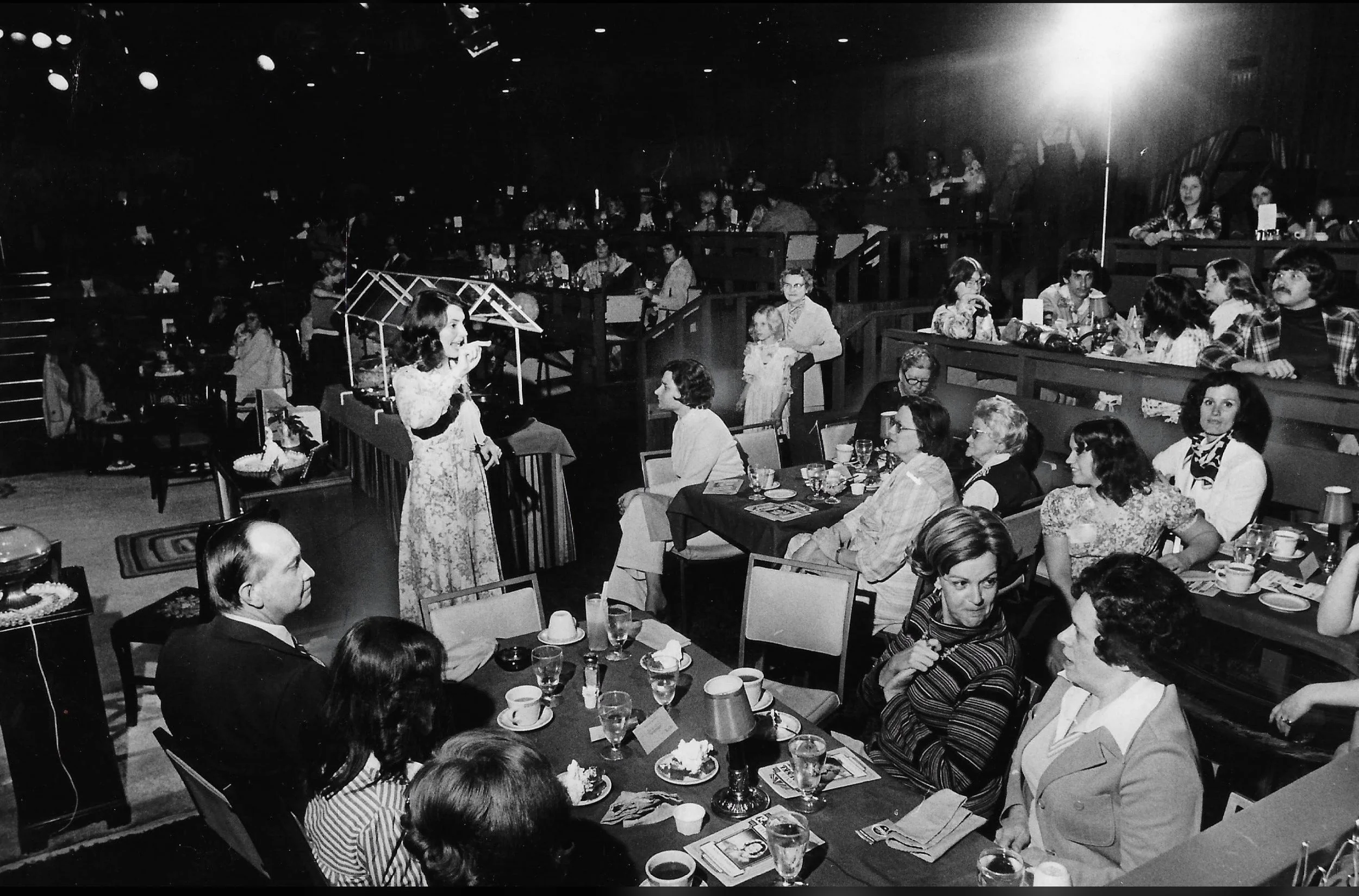
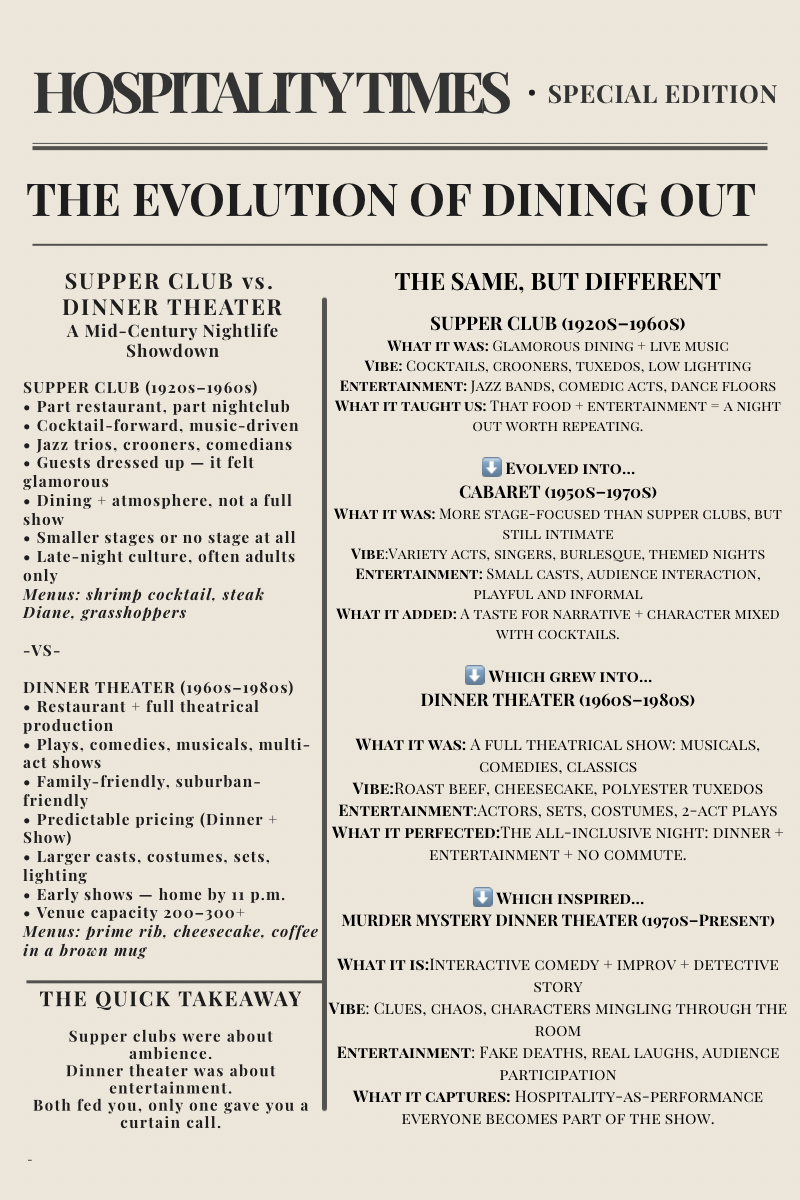
There was a time, polyester tuxedos, shrimp cocktail, and all, when “Dinner Theatre” was the night out. You got your roast beef, your cheesecake, and a live show without ever stepping foot in Manhattan. The concept was brilliant: feed people and entertain them before they can get bored. Heck, my Dad filled empty event space with traveling troupes performing anything from “Barefoot in the Park” to “Sleuth” in front of crowds that might not ever have access to the plays and musicals usually found on Broadway. For a while, it worked spectacularly.
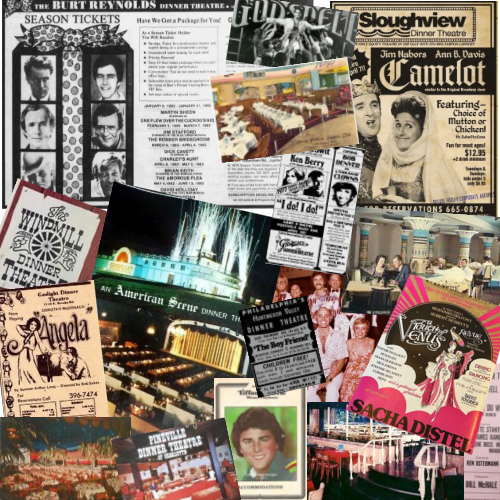
As more entertainment became available at home, clubs struggled to compete with TV dinners and The Ed Sullivan Show. Venues needed to maximize space and reduce the high costs of big bands that were no longer the draw they once were. Smart operators started serving lunch specials with light entertainment and plenty of hospitality. The “businessman’s lunch” evolved into the “early‑bird dinner,” with discounted fare and a short preview of the main act that would take the stage later. While diners ate, backup performers circulated, meeting and greeting guests and whetting their appetite to return for the more expensive evening show. These personal hospitality moments were gold for both the venue and the guest. Imagine shaking Martin Sheen’s hand over oysters Rockefeller before he performed in One Flew Over the Cuckoo’s Nest at the Burt Reynolds Dinner Theatre. I still wonder if Gomer Pyle and Alice really performed Camelot at the Sloughview Dinner Theatre like a flyer claimed—if they did, I bet most folks ordered the chicken.
My father began his career in New York City nightclubs and dance halls and later managed high‑end hotel ballrooms. He introduced acts ranging from Harry Belafonte to Alan King. Those experiences led him to transform hotel spaces while always keeping an eye on trends. In the ’60s and ’70s, savvy owners created hospitality moments as soon as guests arrived: well‑coiffed valets parked cars, helpful attendants checked coats and hats, and smiling hosts greeted and seated guests.
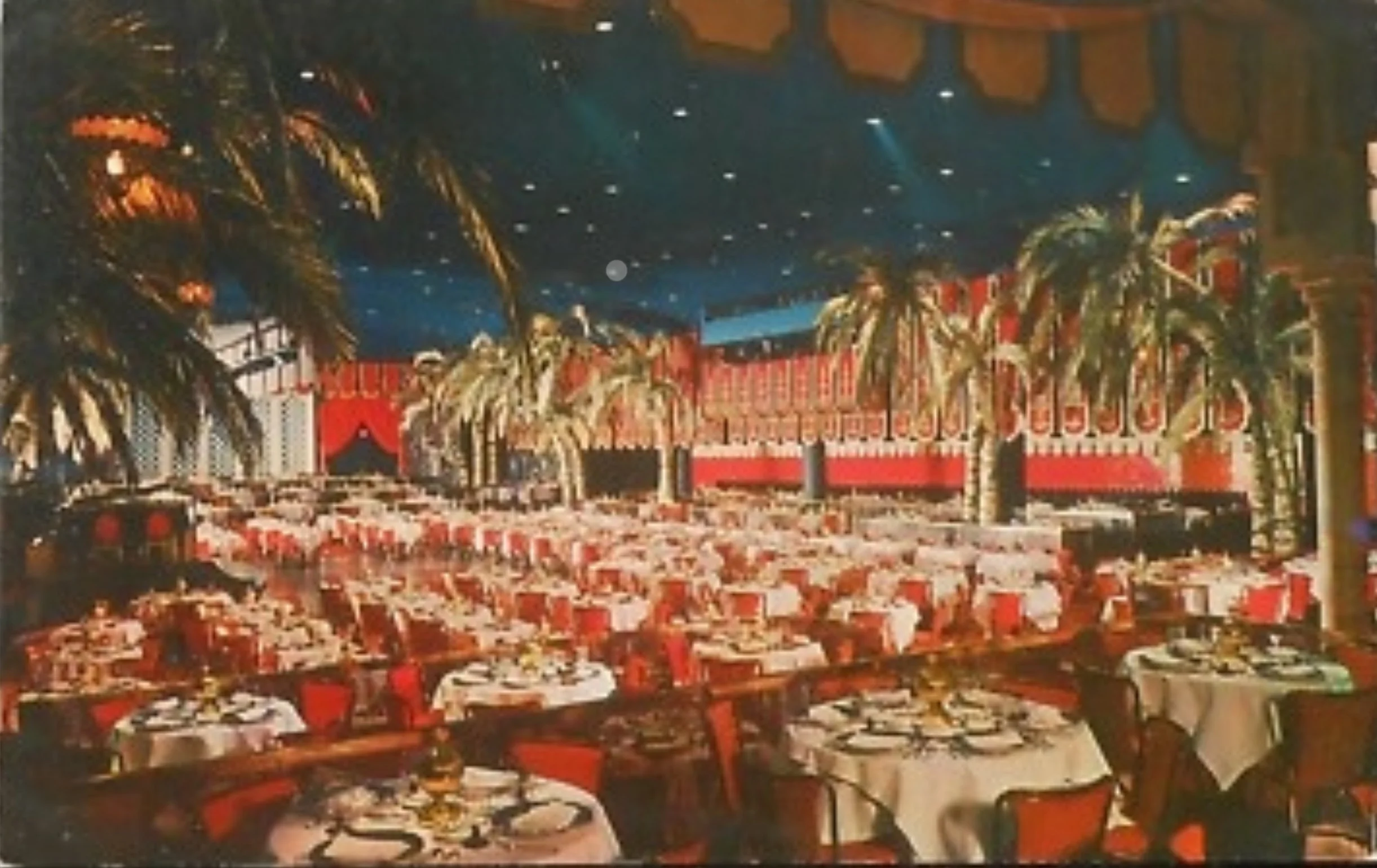
The main room was extravagant and often tiered, giving everyone a view of the elaborate stage and dance floor. Early on, service was tableside from start to finish, and to manage costs, quality and timing, menus were prix fixe with dishes that sounded posh but were inexpensive to serve.
A Piece of Broadway in Every Town
The ’60s and ’70s were full of sold‑out houses and curtain calls with gravy stains. By the ’80s, the lights dimmed. Operating a restaurant and a theatre under one roof turned out to be as complicated as it sounds. Tastes changed, the suburbs got cable, and dinner theatre slowly became more nostalgia than nightlife. This was also when hotels—especially suburban properties—struggled to attract locals to their once‑bustling restaurants, so they expanded their bars into clubs until that too became passé. My dad, then the general manager of a suburban Sheraton, embraced both trends. He added lighting and a DJ booth to the bar and converted an underused meeting space into a theatre, signing a local troupe that leaned into dinner‑theatre tropes. Both ventures saw immediate success, but it was the theatre investment that took root and generated steady revenue into the ’90s until, to be blunt, the concept aged out—content, audience, performers and promotion.
A Culture Obsessed with Clues
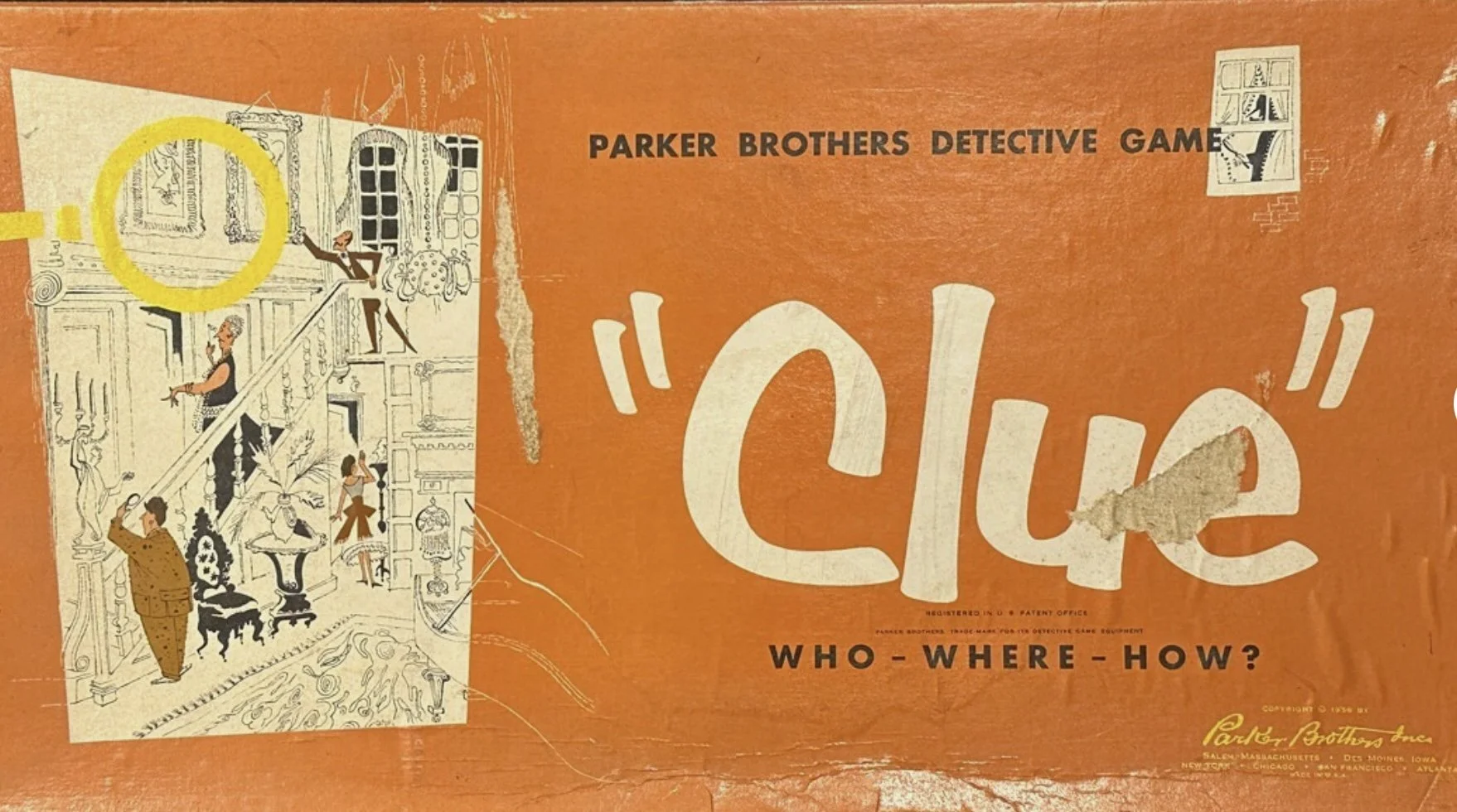
But here’s the thing: we never stopped loving a good mystery. Detective stories have always hooked us, from Agatha Christie to Columbo (my favorite), Ellery Queen and every pipe‑smoking sleuth who could spot a killer by dessert. Even our board games got in on it. Clue turned living rooms into crime scenes, and by the 1970s resorts were hosting murder‑mystery weekends where guests solved fake crimes between cocktails.
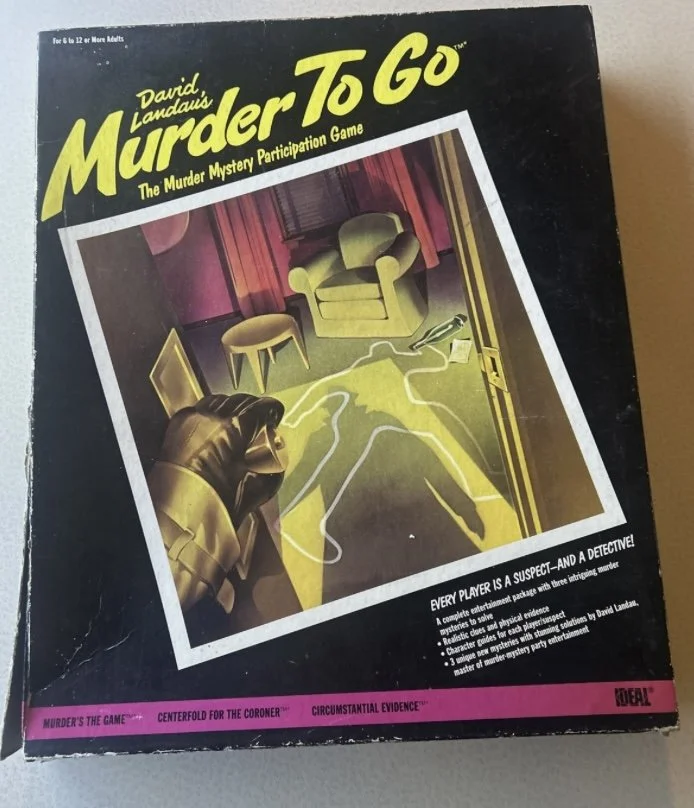
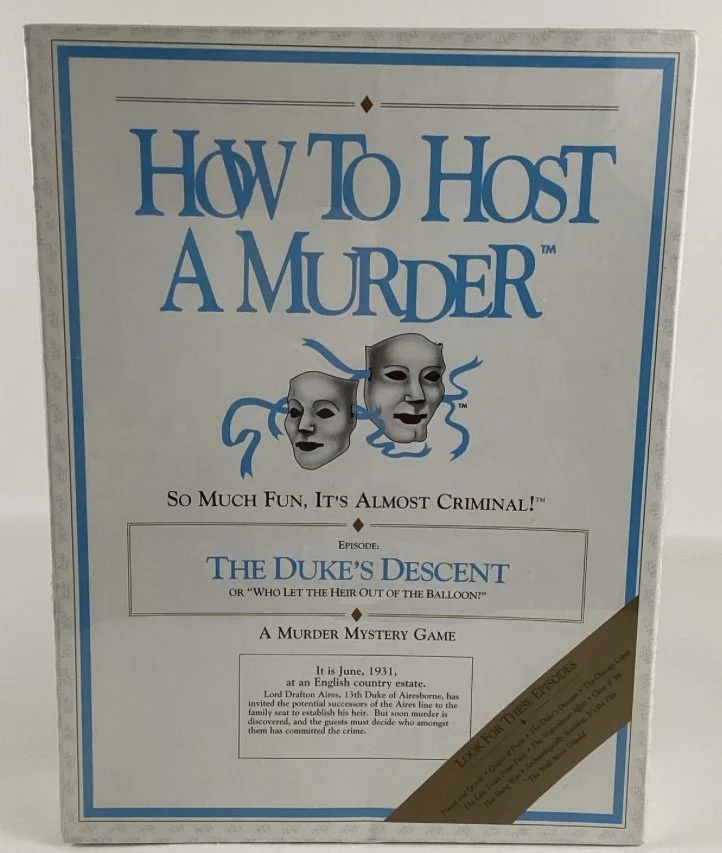
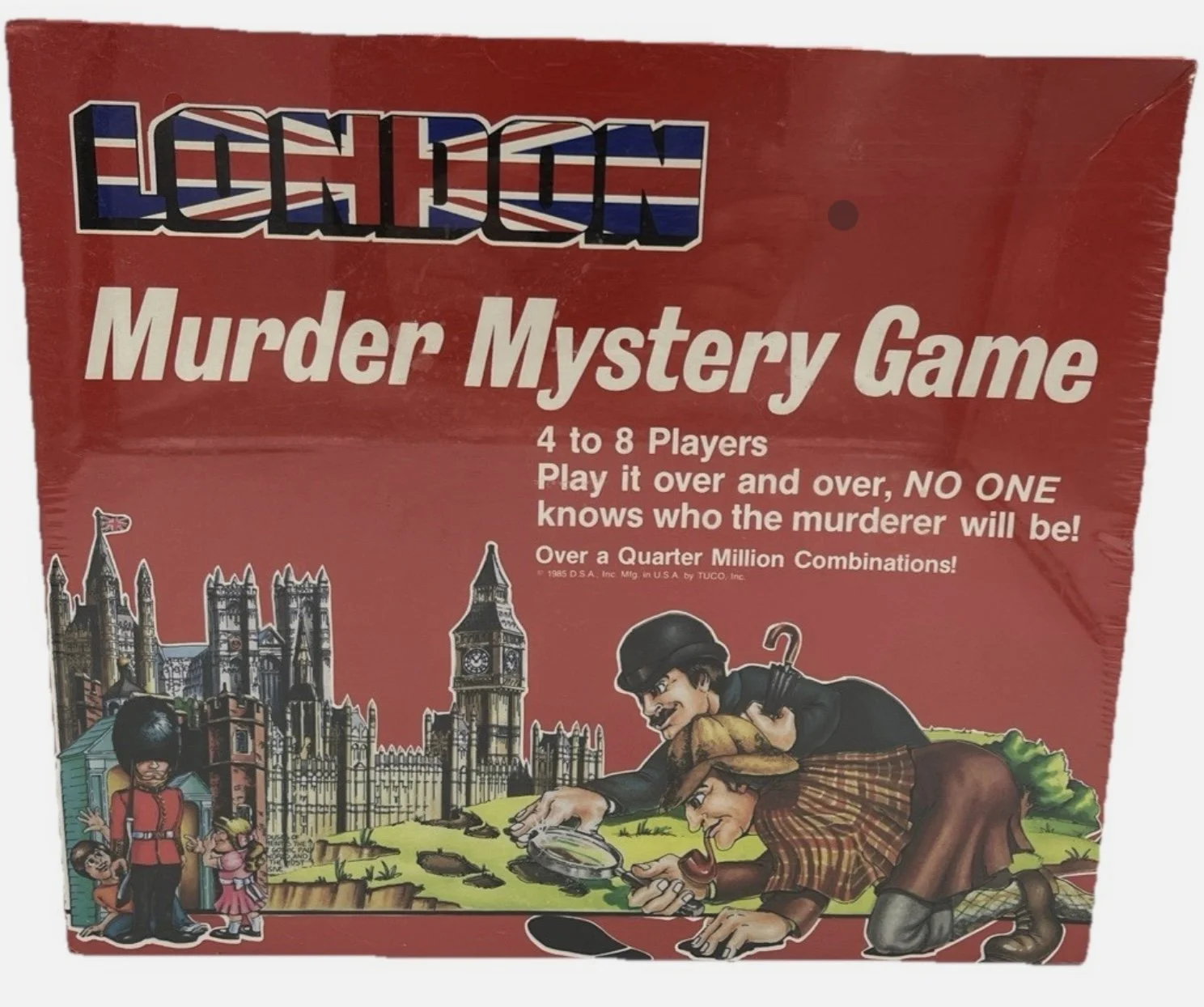
Soon after came boxed kits so you could stage your own mysteries at home. I bought one, intent on throwing a dinner party—I was obsessed. I poured over the envelopes and character cards, dreaming of hosting the perfect night of suspense. But life happened, and that box gathered dust like a cold‑case file until eventually selling for five dollars at a garage sale.
Cue the Murder (and Dessert)
Murder‑mystery dinner theatre uses the same basics—tables, actors and a meal—but adds a dead body and a punchline. Now the audience isn’t just watching; they’re part of it. Someone at your table might be the killer, the waiter might drop clues and the actor “dying dramatically” might come back for dessert. It’s dinner theatre’s mischievous younger cousin—scrappier, funnier and far more portable.
So when one of my team members told me about Murder Mystery Manhattan, I contacted them immediately and booked them for the venue I managed…COVID was passed and people wanted to experience life again. The show was everything I had imagined and so much more—hilarious, sharp and oddly heartwarming. Costumes and makeup were spot on; rehearsals were serious; and the floor manager kept communication and timing tight between our team and the performers. Watching with wonder, I saw the charm of dinner theatre reborn, this time with a body on the floor and an audience in on the joke and loving it…and kept coming back for more.
Hospitality: The Secret Ingredient
You can have clever writing, quick improv and the world’s most convincing fake blood, but if the hospitality is off, the magic evaporates faster than a spilled martini. The best troupes know this: they greet you before you’ve even found your seat, remember who ordered the salmon and who could use another glass of Chardonnay, and read the room like a maître d’ and a mind reader rolled into one. That mix of warmth and wit turns a one‑time guest into a repeat sleuth because, in murder‑mystery dinners, hospitality isn’t background; it’s part of the show.
Meet Murder Mystery Manhattan (and Keith Dougherty, Its Ringleader)
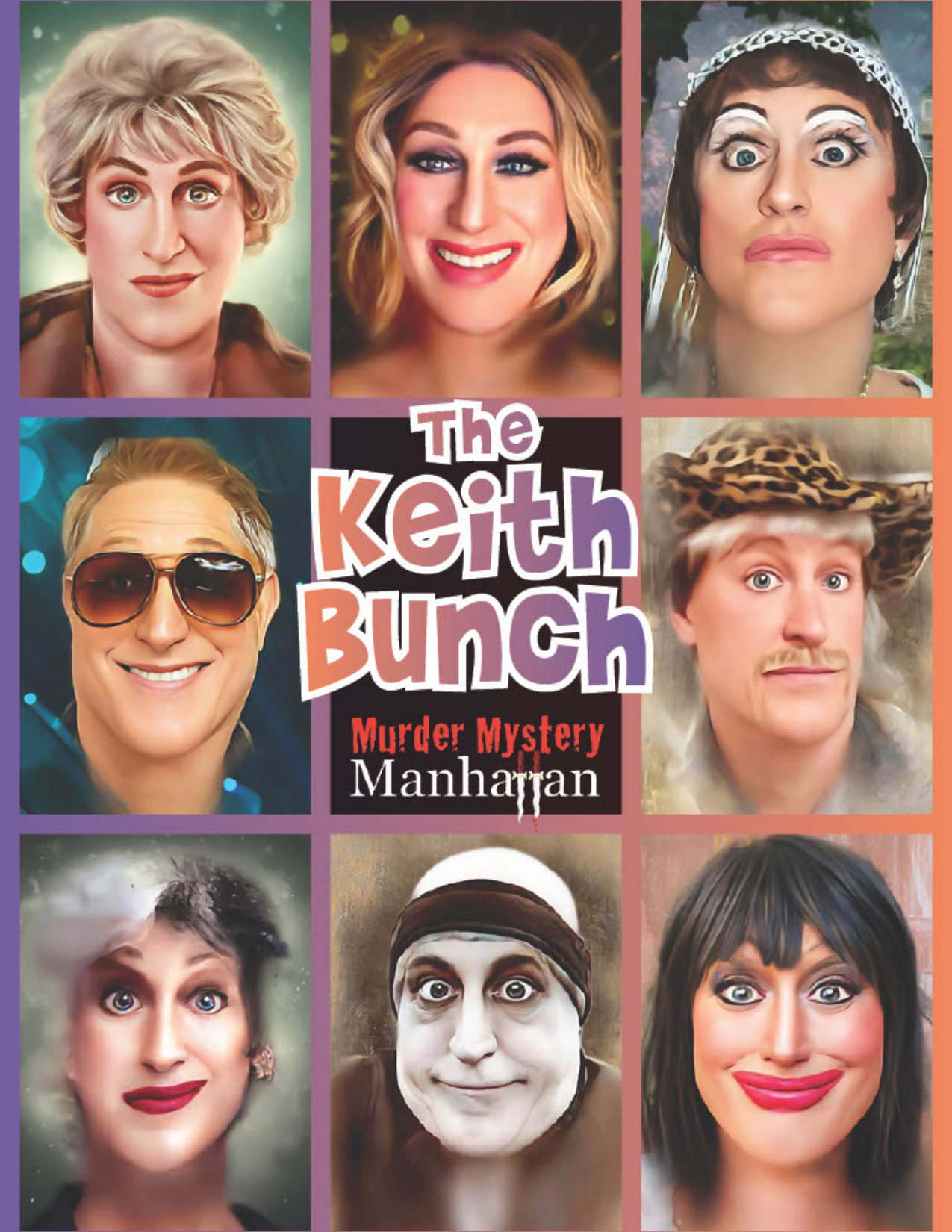
Enter Keith Dougherty, the founder, writer, and occasional “corpse” behind Murder Mystery Manhattan. Keith doesn’t buy his scripts — he writes them. And he writes them with the kind of humor that winks at pop culture while pouring you a drink. His cast of usual suspects includes Dorothy Zbornak, Tony Souprano, and Carrie Broadshoulders — familiar faces with just enough of a twist to keep audiences laughing even as the body count rises. Before the show even starts, the characters are already mingling. They flirt, roast, and riff with guests — breaking the ice and setting the tone. It’s half meet-and-greet, half character study, and 100% old-school hospitality in costume jewelry.
Keith is a NY based Actor/Writer/Producer/Director/Portrait Artist. Keith is the creator of the entertainment companies, Murder Mystery Manhattan & Keith Dougherty Productions, where he writes, directs, and performs interactive scripts that spoof popular television shows and film. Some of Keith’s favorite stage roles include Robert in Boeing Boeing, Velasco in Barefoot in the Park, Charles in Blithe Spirit, Mozart in Amadeus, Pippin in Pippin, Joseph in Joseph and the Amazing Technicolor Dreamcoat, and Donatella Diamonte in Anthony Wilkinson’s Off-Broadway show Housewives of Secaucus. Keith is thrilled to bring his new parody, Dead Becomes Her, to NYC and the Laurie Beechman Theatre. kdougherty51@gmail.com. www.murdermysterymanhattan.com
The Real Trick Behind the Mystery
“Every performance is built on the same question: how do we make this crowd feel like it’s theirs? The food helps. The fun helps. But the real magic is personal connection — that moment a guest feels seen, teased, and welcomed all at once. Hospitality people know it instinctively: return business isn’t about price or plot — it’s about belonging. And if someone walks out grinning, thinking, “I’d do that again,” well… that’s the kind of mystery you want to repeat.”
- Keith Dougherty, Owner - Murder Mystery Manhattan & Mooka Moon
Murder Mystery Manhattan Q&A: Interview Questions for Keith Dougherty Exploring the intersection of performance, creativity, and guest experience in immersive dinner theater.
Your repertoire features beloved archetypes… Golden Girls, The Sopranos, Sex & The City. Why do you think audiences connect so strongly with characters they already “know”?
Audience members love to see and interact with their favorite characters and we do our best to not just perform, but “become” the characters we play. It’s actually frightening how much I look like Dorothy “Soreback”. Audiences love to hear the classic lines from the shows and movies, keeping it fresh and new with my own writing and scenarios they never saw on the shows before. Many people write on the ballots that it was just like watching the TV show or film.
What, in your view, makes for a truly “good” murder on stage? Which ingredients help the mystery feel both believable and entertaining for guests?
The majority of my scripts stem from non-murder scenarios and I take the characters that everyone loves, or love to hate, and weave a comic tale where a murder takes place that the audience has to solve. I feel the comic dialogue – a mix of recognizable lines blended with my own brand of often irreverent humor – leans toward a conversational, relatable scenario.
Since you write your own mysteries rather than licensing them, what creative freedoms do you enjoy — and what challenges have you faced as an original author?
Once a show is billed as an (unauthorized) parody I am able to borrow much from the original show or film and blend it with my own humorous dialogue. I always related to Neil Simon and the writers from shows like Everybody Loves Raymond where the dialogue was so conversational and relatable to many walks of life and pride myself on writing scripts the way people actually speak. That with a mix of naughty humor and focusing on what’s trending or classic keeps audiences coming back.
With each new audience, how do you keep your energy high and your dialogue fresh, ensuring every show feels alive?
I have been blessed with a very loyal following, some coming to my shows for 30 plus years after first seeing our four murder mystery weekends a year at The Willams Lake Resort that used to be in Rosendale, NY. That being said, I don’t like to write generic murder mysteries but, again, focus on what’s popular, trending, or cult classic and putting a modern twist on it. The big challenge is keeping the solutions fresh and difficult enough that the entire audience doesn’t guess it, but easy enough that some will. I like to spoof what’s trending so the audience members that still follow us from William’s Lake are seeing something different and fresh. I work with some wonderful actors and through the years we have learned to trust each other and our energy stays high because we truly love playing all these crazy characters and putting our versatile acting chops to the test.
As host, detective, and ringleader, how do you guide your cast to balance their performance with authentic hospitality?
Being that all my shows are interactive, we do what we call “tabletalk” prior to the start of the scripted scenes and interact with everyone at each table to make everyone feel included and part of the event.
Since each audience is different, our improv skills kick into high gear. This also gives us a chance to get to know who is more inclined to “play” and who is more into just watching. Getting to know the audience members prior to the script starting, we not can not only figure out who is more inclined to play but can also make sure we aren’t going to make anyone uncomfortable with the continued interaction.
Murder Mystery Manhattan is now a destination event. How do you cultivate repeat audiences in a world obsessed with novelty?
Social media is key using fun and recognizable graphics and fun titles, but being that the shows are interactive, we develop a loyal fanbase of people who love to get involved. We also make it a goal to make audience members feel special and included and through the years, countless people have become friends and even book us for private parties and events at their homes – or just meet for dinner, or a fun outing. Audience members have brought us show-themed gifts, handmade afghans, homemade hooch and more. We really become like a family which prompts people to support.
How do partnerships with hotels, restaurants, or corporate events shape the way you design a mystery? We remain very flexible for all venues and set-ups, as well as occasions.
Whether it be a served, multi-course meal, a buffet, a team-building event, just a cocktail event, or one of our shorter Bingo shows, we are adept at customizing our shows to whatever the client needs.
What is your most memorable unscripted moment or unexpected laugh during a performance?
We were doing a staged version of The Golden Girls Gone Wild down at a theatre in Ft. Lauderdale and there was a line I wrote pertaining to male genitalia. I got tongue-tied and stumbled on the line, and I recovered quickly and said, “I can’t say it but I can swallow it” and the audience knew it was an improvised recovery and burst into laughter and applause.
If you could stage a murder mystery about the hospitality industry itself, what would you call it?
Are you Being Over-Served? Maid in Menhattan, Hotel Hell, Fright Lotus
Some of Murder Mystery Manhattan’s most popular interactive shows are their Golden Girls and Sopranos parody series, I Loved Lucy, The Hunnymooners, Dead Becomes, Moonstruck Madness, Killing the Kartrashians, Scary Potter, Saturday Fright Fever, Disnee on Ice, Hocus Croakus, No Clue and Sunsex Blvd. Keith looks forward to premiering his new show, Scandal at Studio 54, this New Year’s Eve at Casa Mia in Middletown, NY. Keith Dougherty Productions and Murder Mystery Manhattan always invites you to join the fun and take the journey along with them – whether it be a public venue or your own private event.
A myriad of experiences - with one commonality - hospitality.
As the former GM of a venue that hosted everyone from local bands to headliners like Keith and his incredible acts, I’ve learned that hospitality is the thread that ties it all together. Some nights were simply wonderful, but the truly great shows were when everything aligned—guests arrived buzzing with anticipation, the room was lit just right, production hit every cue, and our host and service team delivered food and drink with genuine smiles and praise. Most of all, perfection happened when performers invited the audience into the story, crafting an experience that felt unique to them.
Today, that tradition isn’t just nostalgic; dinner‑and‑a‑show venues are thriving again. Immersive chains such as Medieval Times now generate over $500 million in annual revenue, while franchises like The Dinner Detective (about $12 million in 2024 revenue ) and Teatro ZinZanni ($17.7 million ) prove there’s a strong appetite for experiences that blend storytelling with supper. Analysts estimate the global dinner‑theater market was worth around $3.1 billion in 2024 and could exceed $5 billion by 2033 as consumers seek immersive, interactive dining. I expect the sector to continue evolving with more diverse storytelling, advanced sound and lighting, and menus that cater to modern tastes and sustainability. But one thing won’t change: the magic happens when performers, hosts and guests connect. Whether it’s a medieval joust, a murder mystery or the next great act on our stage, hospitality will always be the secret ingredient that turns a good night into an unforgettable one.
Thank you for stopping by and checking out Everyday Hospitality. I would love to hear from you, please don’t hesitate to reach out if you have an idea or inspiration for everyday hospitality.