The Hospitality of Introduction - featuring a Q&A with Deirdre Yack about the art of Grand Openings
When the doors open, history shows up too.
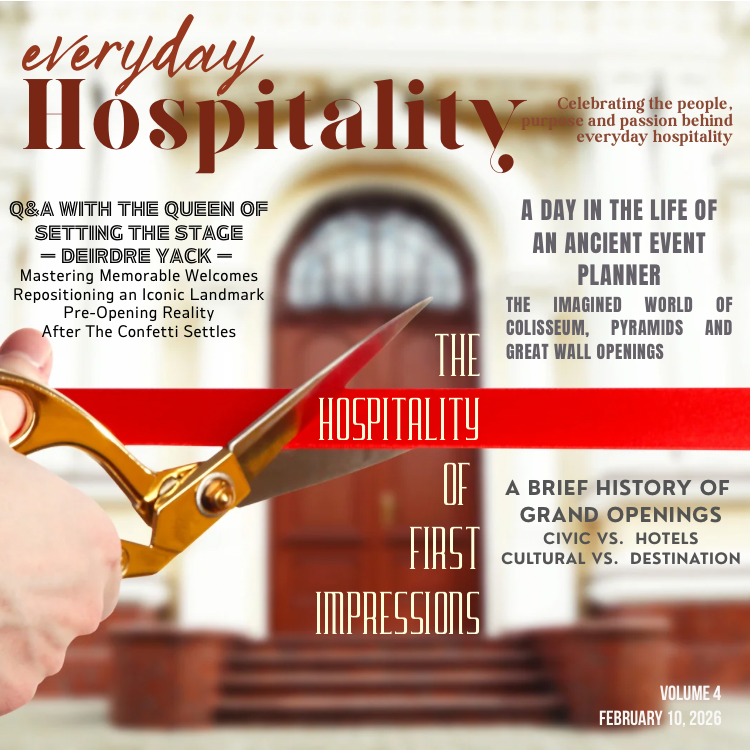
Grand openings feel modern…balloons, ribbon cuttings, press previews, social posts timed to the minute, but the instinct behind them is ancient. Long before hospitality professionals worried about soft openings or influencer lists, societies understood something fundamental:
The moment you unveil something matters almost as much as the thing itself.
Openings are declarations.
Of confidence. Of arrival. Of belief.
Before There Were Grand Openings, There Were Very Long Delays
(A brief, unserious aside - because planners have always suffered)
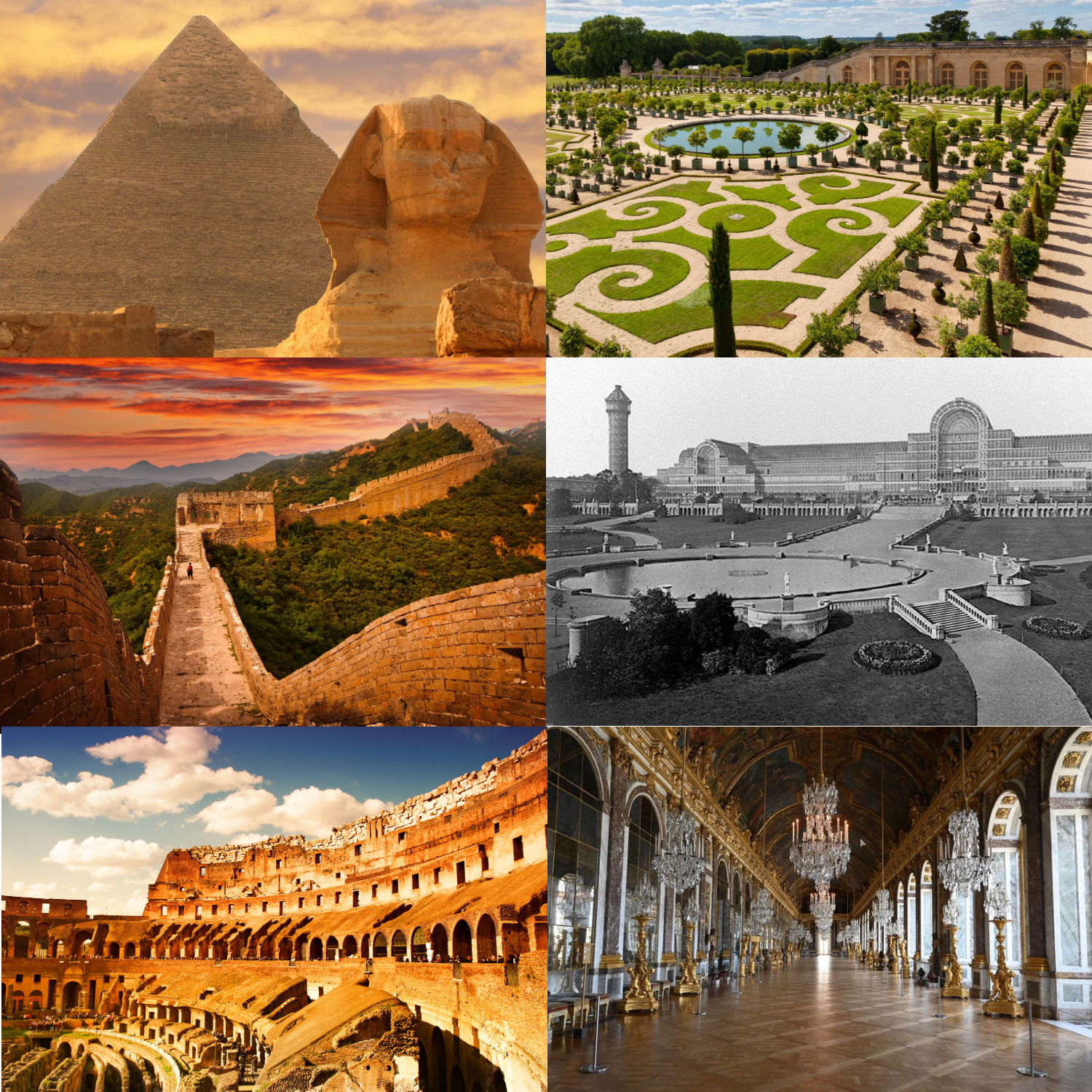
One could argue that the first grand openings were meant to be the Great Wall of China or the Pyramids of Giza…though imagining the planning process makes that theory unravel quickly.
Somewhere along the Wall’s construction, an ancient equivalent of a marketing manager surely prepared invitations for Phase One, only to be told it would be delayed. Then delayed again. Then reassigned to another dynasty.
The pyramids weren’t much better. One can almost picture the update chiseled into stone:
“We are pushing the opening again. Pharaoh remains unavailable.”
No press preview. No soft opening. Just a very long pre‑opening period and a client with eternity on his side.
Which highlights what defines the modern grand opening:
There is a date…AND YOU CANNOT MISS IT.
When Openings Became Public Spectacle
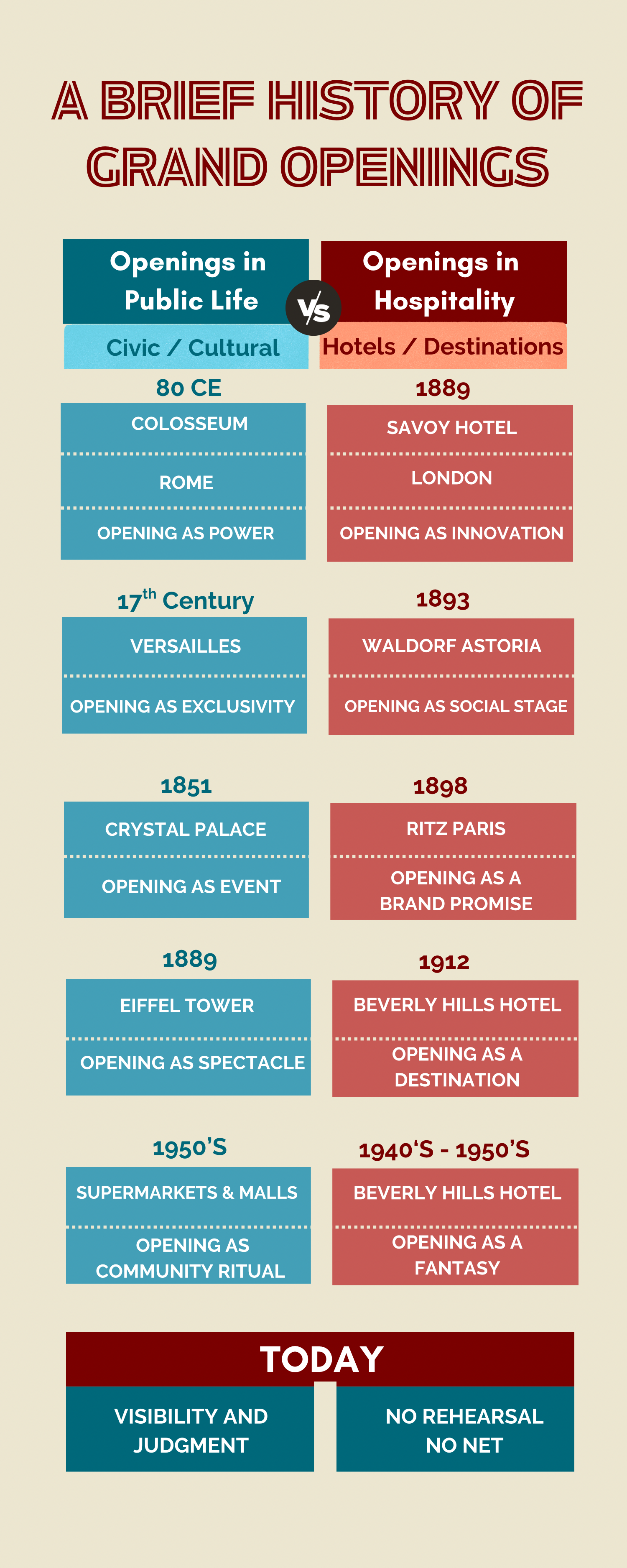
In 80 CE, the Colosseum opened with one hundred days of public games. The building mattered, but the opening proved Rome’s ability to command attention.
At Versailles, openings became curated experiences. Access itself was the message.
Paris escalated everything. When the Eiffel Tower debuted at the 1889 World’s Fair, critics scoffed, but crowds came. Millions of them.
The opening itself became the experience.
When the Whole Town Showed Up
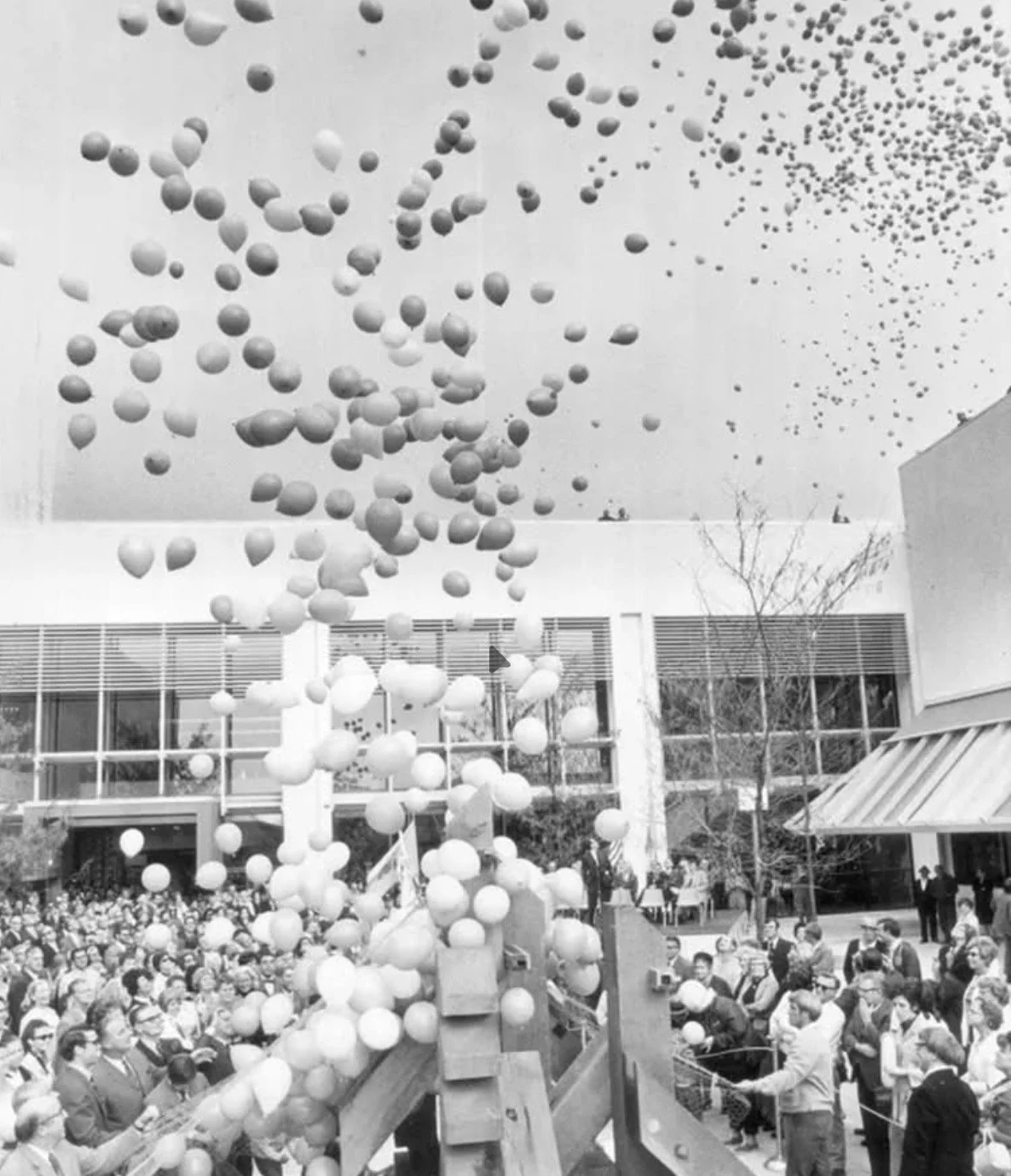
By the mid‑20th century, grand openings moved into everyday life, especially in small towns.
Supermarkets and shopping centers didn’t open quietly. A new store meant progress. Bright lights. Abundance. Choice.
Balloons went up. Radio stations broadcast live from parking lots. The whole town showed up.
In cities, openings could hide.
In towns, openings were remembered.
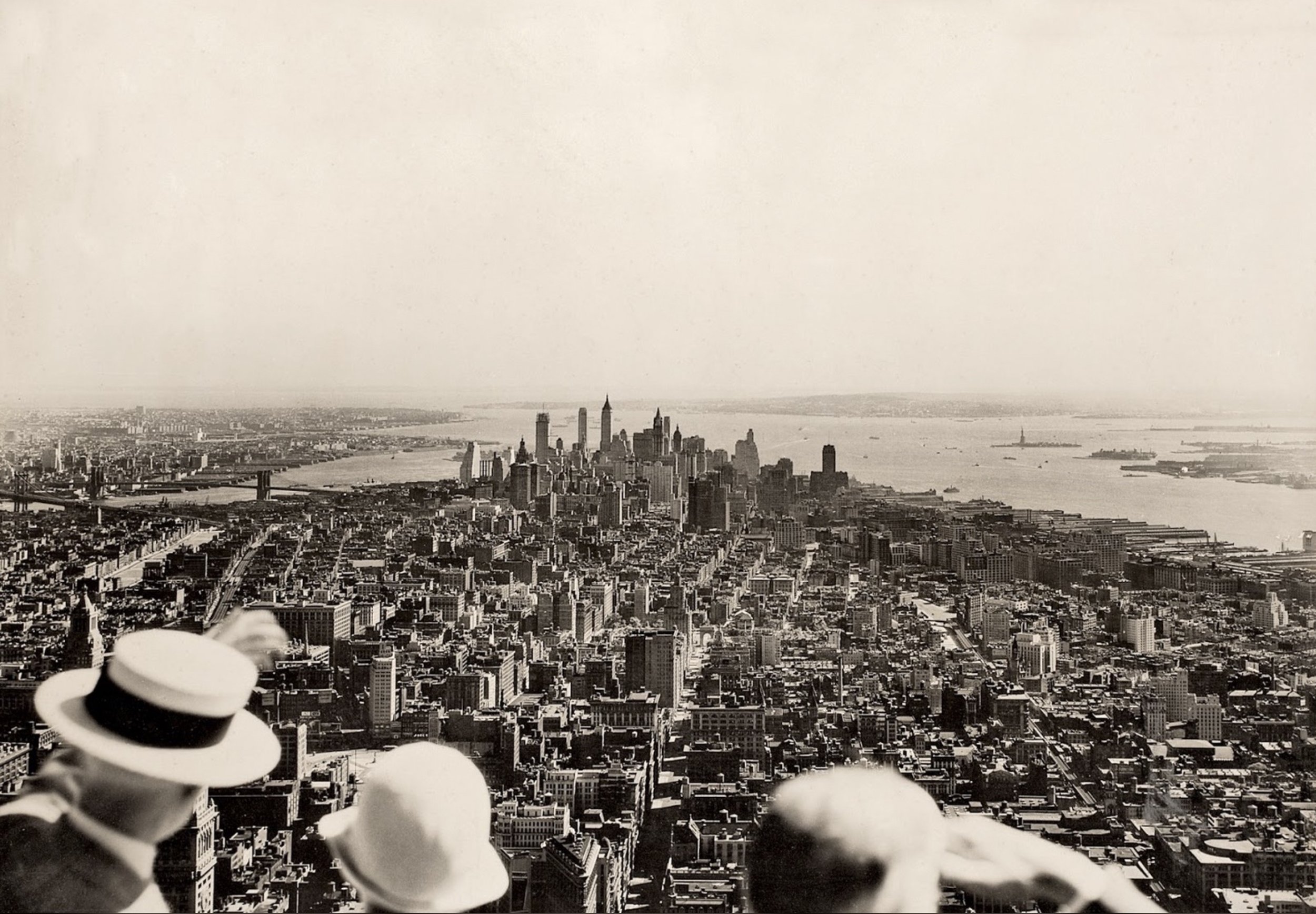
New York Raises the Pressure
When the Empire State Building opened in 1931, it did so during the Great Depression. The opening itself was defiant.
Soon after, the Observation Deck invited the public inside the promise.
Once people are inside, judgment begins.
Before the Net Disappears
Before the doors open to the public, hospitality relies on a quieter ritual.
Restaurants, in particular, understand this well. Friends and family dinners allow teams to test service under real pressure — without public consequence.
It’s not the opening.
But it’s the last chance to prepare for one.
When There Is No Net - Make One.
Before the doors open to the public, hospitality relies on a quieter ritual.
Restaurants, in particular, understand this well. Friends and family dinners allow teams to test service under real pressure — without public consequence.
It’s not the opening.
But it’s the last chance to prepare.
Invite‑only rehearsal dinners have shaped some of the most influential restaurants of the last fifty years — from Chez Panisse to Per Se and The French Laundry.
They are not about perfection.
They are about readiness.
What restaurants rehearse quietly, hotels and attractions must often learn in public — but the principle is the same: the opening only looks effortless when the preparation has been anything but
Hospitality Inherits the Risk
By the time hospitality opens, the rules are clear:
The opening sets expectations.
The audience becomes part of the performance.
Failure is public.
There is no grace period for “almost.”
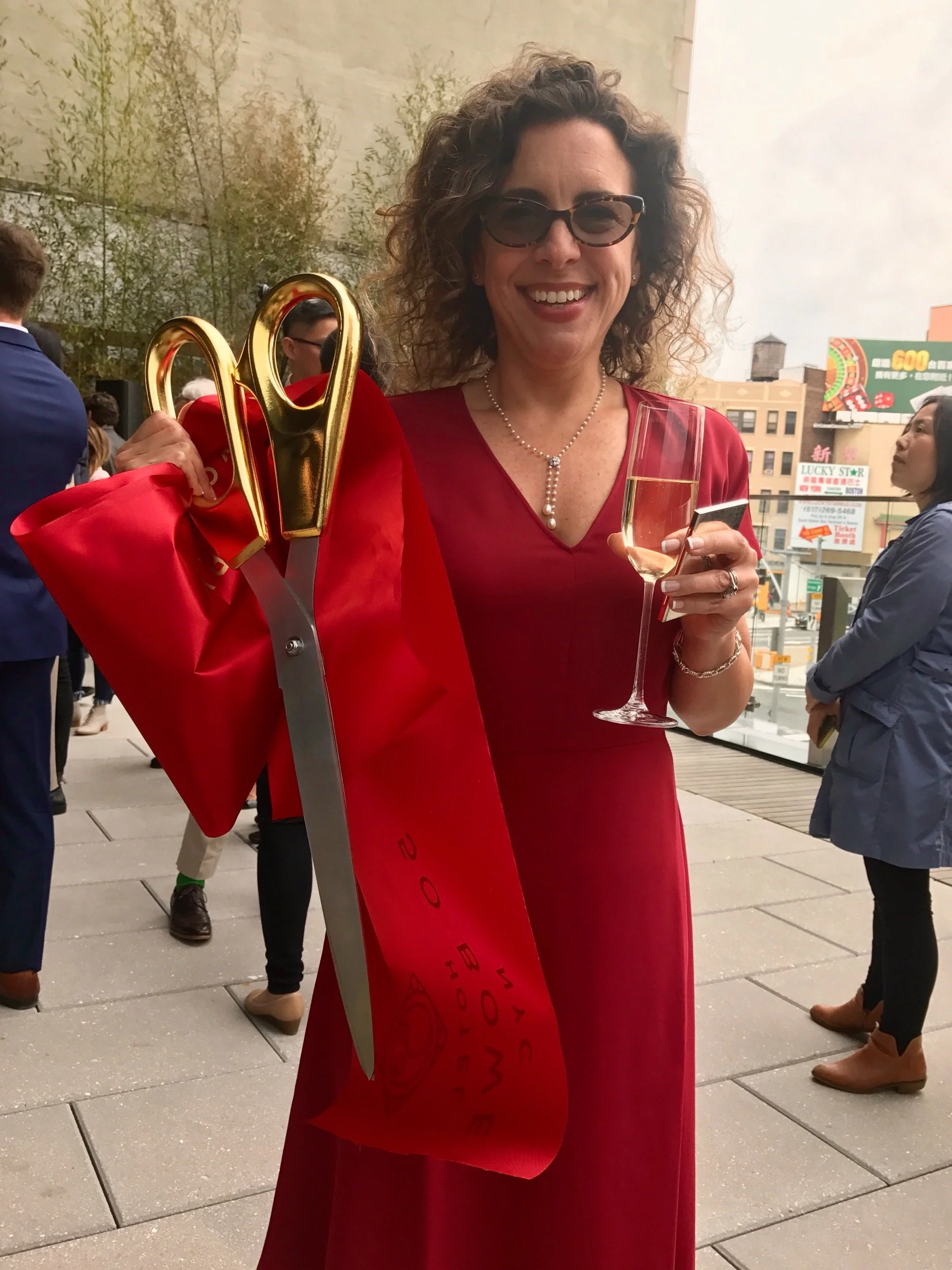
Opening the Curtain with Deirdre Yack
We sat with with Deirdre Yack about leading teams through high‑visibility openings where expectations are sky‑high and tolerance for error is thin.
Because anyone can plan an opening.
Very few can carry one
A grand opening isn’t the finish line.
It’s the moment hospitality becomes real.
Some hospitality moments are loud by design.
Others determine success long before anyone notices.
Deirdre Yack has built a career at that intersection, where expectation meets execution, and where opening day is not symbolic, it is consequential. Her work spans the high-wire act of launching experiences under real pressure: new teams, new spaces, untested systems, and an audience that arrives ready to judge.
In an industry where grand openings often steal the spotlight, Deirdre understands what makes them work, the quiet preparation, the leadership presence, and the decisions made when there is no margin for error.
This conversation explores the anatomy of openings from the inside out: what is visible, what is hidden, and what truly matters when the doors finally open.
I. OPENINGS AS PHILOSOPHY (Big Picture)
When you hear the phrase “grand opening,” what does it really mean to you beyond the ribbon cutting?
Being part of a grand opening means translating an owner’s vision, a brand’s promise, and a design team’s intent into an operating business that can perform - day one and long after the press moves on. The opening itself is just a moment, the real work is months of planning, alignment, and building a commercial and cultural foundation that supports long-term profitability and relevance.
At what point in a project do you personally feel the opening has already succeeded or failed?
Early indicators show up in pre-opening; quality of press attention, strength of recruiting pipelines, and whether the project is resonating with the local market. But real success is measured six to twelve months pos-launch, achieving fair share, capturing market share from established competitors, building group and catering pace, and seeing healthy demand diversification. That’s when you know the strategy is working.
Failure to me is measured when there is over-reliance on OTA business into the 3rd or 4th quarter post-launch. If OTA mix is over budget, we need to go back to the drawing board as a commercial strategy team asap.
Do you think openings are more about storytelling or execution, or is that a false choice?
It’s a false choice. Storytelling drives demand; execution sustains it. Pre-opening is about shaping the narrative - through partnerships, programming, PR, and packages - while aligning that story with brand standards. Post-opening, execution takes over: service excellence, consistency, reputation management, and team performance. I work with my GM and fellow department heads to weave storytelling into recruiting and training so execution feels intentional, not transactional.
II. PRE-OPENING REALITY (Before the Doors Open)
What’s the most common misconception people have about how “ready” teams are on opening day?
That anything is ever fully ready. Opening day is equal parts preparation and improvisation. Teams are still unpacking, final deliveries are arriving, and construction dust is being chased right up until the first guest and sometimes well after. What matters isn’t perfection, it’s composure.
How early should leadership be thinking about the opening experience; not just the opening date?
The moment you’re hiring your Director of Sales and Marketing or issuing an RFP for PR, whichever comes first. That’s when experiential strategy starts to take shape. The right leadership and agency partners ensure alignment with ownership, brand, and management goals, and help build a demand engine that supports both launch velocity and sustained performance.
What’s one pre-opening detail that seems small but consistently causes outsized problems if overlooked?
Revenue and website tools are often underfunded in pre-opening budgets, then introduced later forcing trade-offs or budget overruns. These tools sit awkwardly between departments, but they’re critical to forecasting accuracy, distribution strategy, and price management. Underinvest early, and you feel it for years (no one wants to open a hotel that relies too much on OTAs post-launch).
How do you balance urgency with psychological safety for teams in the final weeks before opening?
Safety - physical and mental - comes first. Construction environments are inherently risky, and fatigue amplifies that risk. As launch approaches, leaders need to slow things down, heighten awareness, and watch for burnout. I’m uncompromising about this because I’ve seen what happens when urgency overrides judgment and those are lessons you don’t forget.
III. REHEARSAL VS. PERFORMANCE (Practice Matters)
Restaurants often rely on friends and family nights as a final rehearsal. What equivalents exist, or should exist, in larger hospitality openings?
Thoughtfully designed friends-and-family stays can be invaluable. I’ve seen hotels invite industry peers and their families for full weekends - real guests, real feedback, real stress-testing. The upside is twofold: operational insight and organic industry buzz.
How do you create meaningful test moments without overexposing unfinished operations?
You curate the experience. If a space isn’t ready, you close it. You focus attention on what is complete, staff the floor heavily with leadership, and lean into transparency with guests. Honesty, paired with humor, becomes part of the story. Guests are surprisingly forgiving when they feel included rather than misled.
What do you personally look for during rehearsals that others might miss?
Teaching moments. I want the team to see leadership in action, how we engage guests, handle issues, and set tone. Once the hotel opens, those live demonstrations are rare, so rehearsals are where culture is modeled, not just discussed.
IV. OPENING DAY: NO NET
What is the first thing you pay attention to once guests start arriving?
Everything. Lighting, music, cleanliness, energy, body language. I also watch the guests closely. My ideal opening day is invisible. Guests experience it as business as usual, even though behind the scenes it’s anything but!
When something inevitably goes wrong on opening day, what tells you whether the team will recover well?
How they treat each other. Laughter after the shift. Shared accountability in the post-mortem. Openings reveal leadership quickly. Titles disappear under pressure, and teams either rally or fracture.
How visible should leaders be during opening moments, and where does visibility cross into interference?
Leaders should be highly visible during rehearsals, media previews, and launch events. On opening day itself, I prefer restraint. Let the operation breathe. Confidence comes from trust, not hovering.
Is there a decision you have had to make on opening day that still sticks with you?
Choosing not to make a moment out of the “first guest.” At Fashion26, our first arrival came early. We quietly checked him in and let the team lead. No spectacle. That restraint set the tone we wanted: polished, confident, guest-first.
V. THE HUMAN FACTOR
How do openings test leadership differently than steady-state operations?
They demand versatility. One day you’re in a hard hat reviewing floor plans with ownership; the next you’re client-facing and accountable to entirely different KPIs. Openings require resilience, adaptability, and comfort in chaos;often in physically and emotionally demanding environments (did I mention the dust already? I coughed for years during my peak “opening” phase).
What role does trust…in people, systems, instincts…play when there is no time to recalibrate?
Instincts first, people second, systems with a backup plan. Openings come with floods, power issues, Wi-Fi failures, you name it. You also need contingency plans for staffing. Turnover happens at the worst possible moments. Trust matters, but resilience and redundancy matter just as much.
How do you support team members who internalize opening-day mistakes too deeply?
Perspective and levity. We do important work, but we’re not saving lives. A sense of humor, kindness, and shared humanity go a long way in keeping teams motivated and confident.
VI. AFTER THE CONFETTI SETTLES
When do you consider an opening truly over?
I think in terms of an “opening year”, the first twelve months or four full quarters. In the world of sales, we are building a foundation. We have so many measurables to track: fair share, RPI, group and catering pace, forward bookings, marketing KPIs, etc etc. Sustainable performance takes time, and openings should be evaluated accordingly.
What’s the most important conversation leaders should have with their teams in the days immediately following an opening?
Listening. Ask what’s working, what’s needed, and how people are really feeling. At the same time, reinforce the brand story daily. Pre-opening vision work is only valuable if it survives into day-to-day operations.
Looking back, what separates openings that age well from those that unravel weeks later?
Discipline. The properties that endure stay true to their original vision. They evolve, but they don’t drift. The strongest properties become cultural fixtures because they never lose sight of why they opened in the first place. Although I wasn’t part of the opening team, and joined in year 3, Ace Brooklyn nailed this.
If you could give one piece of advice to leaders about opening something new, knowing they can’t control everything, what would it be?
Hire (and invest in) exceptional people; creative, experienced, passionate, ideally from your network (I am a huge fan of LinkedIn for hiring within my connections, you can't find better built-in trust). Then give them room to lead. The best results come when strong talent is trusted to do what they do best
Any fun projects on your radar right now?
Definitely. The big one is a major food-and-hospitality opening in New York later this spring. Earlier this year, a former boss called and said she needed boots on the ground in NYC, and the timing couldn’t have been better. We’d worked together for years, so there was a fast start and great trust, which makes all the difference on a high-velocity opening like this.
What can we expect from this latest grand opening?
Deirdre: It’s a really special one. The project lives in a historic Fifth Avenue building and is rooted in a strong sense of place and legacy, but it’s very much about what’s next. Think food, culture, and community all colliding in one space—with lots of opportunity for partnerships, programming, and storytelling. My role is to set the foundation: shaping the launch strategy, defining the long-term marketing approach, and then handing it off to a dedicated on-site team to take it forward.
How does opening a food hall differ from opening a hotel?
Deirdre: It’s much closer to a restaurant launch. With hotels, you’re often building toward an opening nine to twelve months out. A food hall is more like a 90-day sprint. The budgets are tighter, the decisions are faster, and you have to be very disciplined. The focus shifts from broad brand storytelling to driving immediate traffic (and revenue) while still leaving room for moments that build loyalty and repeat visits.Jennifer: Any fun projects on your radar right now?
Deirdre: Definitely. The big one is a major food-and-hospitality opening in New York later this spring. Earlier this year, a former boss called and said she needed boots on the ground in NYC, and the timing couldn’t have been better. We’d worked together for years, so there was a fast start and great trust, which makes all the difference on a high-velocity opening like this.
Thank you for stopping by — and for taking the time to linger here.
Grand openings may look like moments, but they are built on preparation, people, and trust. If this piece resonated, I hope it reminded you that hospitality isn’t defined by the ribbon or the applause, but by what happens when the doors open and someone chooses to walk through them.
I’m grateful you did. - Jenn