Safe Harbor: Late Night Drives to Grandma’s Walkup
Hello There,
If this is your first visit, welcome. I’m really glad you’re here. And if you’ve been here before, thank you for finding your way back again. The first Hotel Brat Revisited post shared my parents’ not-so-traditional courtship and the circumstances that brought me into the world.
When I started this blog, I had no idea what I would discover. I only knew I hoped it might help me find answers to questions I had lost the opportunity to ask. It wasn’t a lack of curiosity that stopped me before…or a lack of desire to hear more of the stories of their lives and understand the “why’s.” It was the sadness, and sometimes the anger, that made me instantly regret asking.
This second post tested my emotional commitment to solving some of the mysteries that still weigh on me.
When you are not given answers, you make suppositions based on the evidence at hand. My young mind did exactly that, and as an adult I never felt compelled to revisit those assumptions. Over time they hardened into stories that I believed were true.
Some of them were close.
But the real truth lives in the details; details that reshape the motivations and actions of our ancestors in ways I never expected.
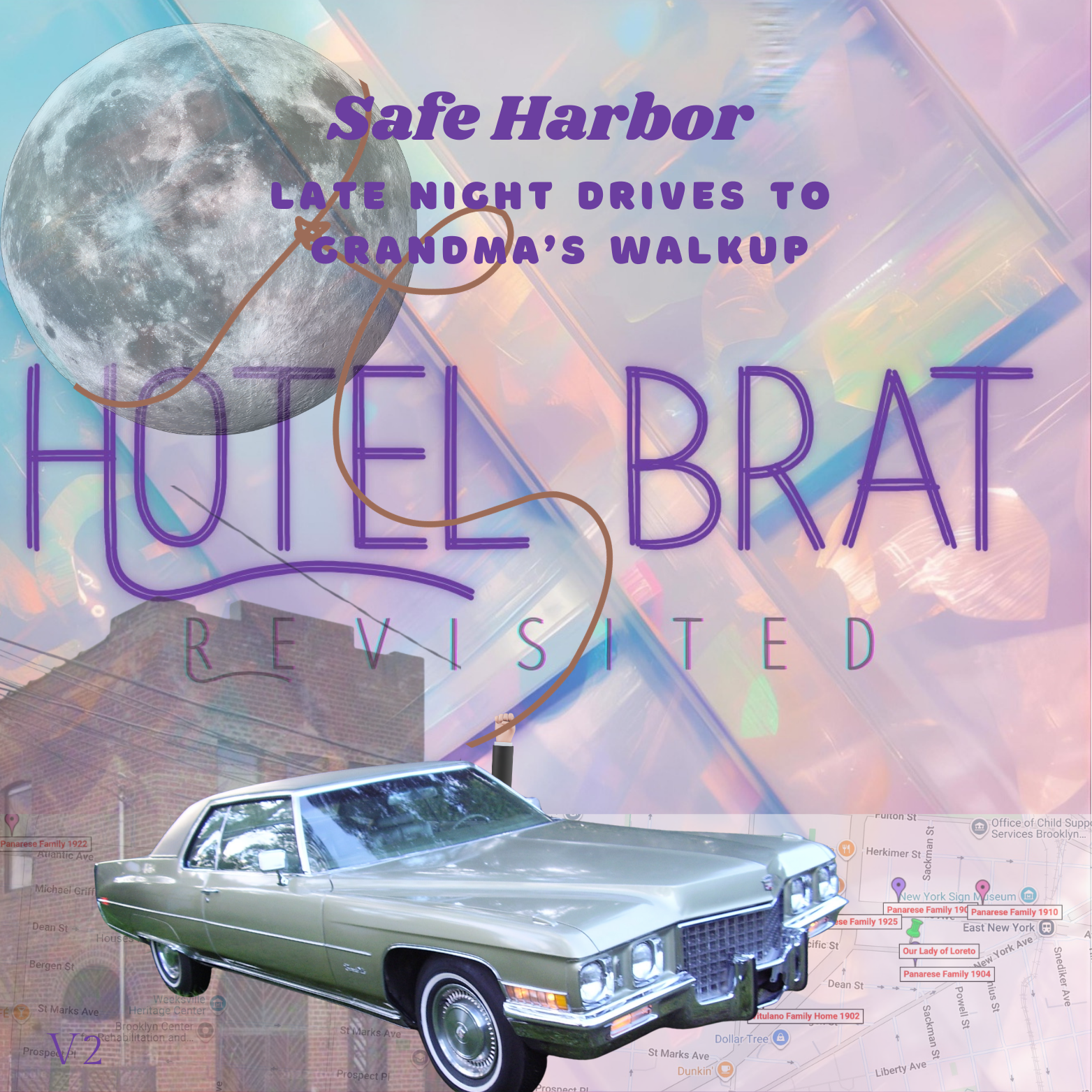
So, like a person dying of thirst, I gulped down every piece of the historical puzzle instead of sipping slowly from the cups of these extraordinary sources: Ancestry.com, Newspapers.com, NYC.gov, and the handful of surviving documents and photographs that began answering questions I didn’t even know to ask.
What emerged was a picture of how isolated our small branch of this enormous family tree had become.
At one point the flood of information short-circuited my brain. I began imagining my grandmother as a teenager — full of dreams and possibilities — and I realized something important.
I could not change the path her life eventually took.
But if I truly wanted to honor the journey they made, I needed to dig deeper until I was confident that what I wrote was as close to the truth as I could make it.
A note of thanks to my husband, my daughter, and my friends who patiently watched me slide into what I jokingly called “writing paralysis.” And to anyone who wondered if I might never post again…thank you for waiting.
Late Night Drives
One of my most cherished memories is also one of my earliest — the kind of memory that lives so vividly in your body that no matter how much time passes, you can close your eyes and be right back inside it.
I was three or four years old, lying in the back seat of an olive-green Cadillac Seville. I was wrapped in an itchy army blanket with a coat folded under my head for a pillow. I lay on my back staring out the rear window as the road slipped away behind us.
I would later learn that my dad was a Cadillac guy. His first had been a gift from his mother when he graduated from high school. This particular 1964 model was another gift from my grandmother, given to celebrate my birth. It even came with a matching pedal car that I remember driving proudly up and down the driveway in Verona.
Many of my earliest memories took place in that car.
Despite the fact that I was constantly carsick, I never minded, as long as I could be with my dad. In this memory, I slowly came to consciousness on the scratchy blanket with the jacket under my head. The green upholstery tells me I must have been between three and five years old.
I remember the night sky being especially beautiful …scattered with stars — and a full moon hanging in the window behind us, steady and bright. It seemed to follow us wherever we went, lighting the way through toll booths while the steady hum of the tires became as familiar and comforting as a lullaby. On this particular night my mind was awake, but I pretended to sleep, a skill I had already mastered by that age.
Even then, I knew that pretending to sleep allowed adults to talk more freely.
Still, sometimes curiosity won.
I gathered my nerve and whispered softly, “Daddy?”I could feel his attention shift toward me without taking his eyes off the road.
“You okay, Peanut? Can you go back to sleep? Do you feel sick?”
My face flushed immediately. Throwing up into a quickly opened Kleenex box was a regular occurrence, so I rushed to ask the question that had been bothering me.
“Why does the moon look like it’s following us?”
Without missing a beat he said,“Because I tied an invisible rope from the car to the moon so it could light our way to Grandma’s.”
I believed him completely.
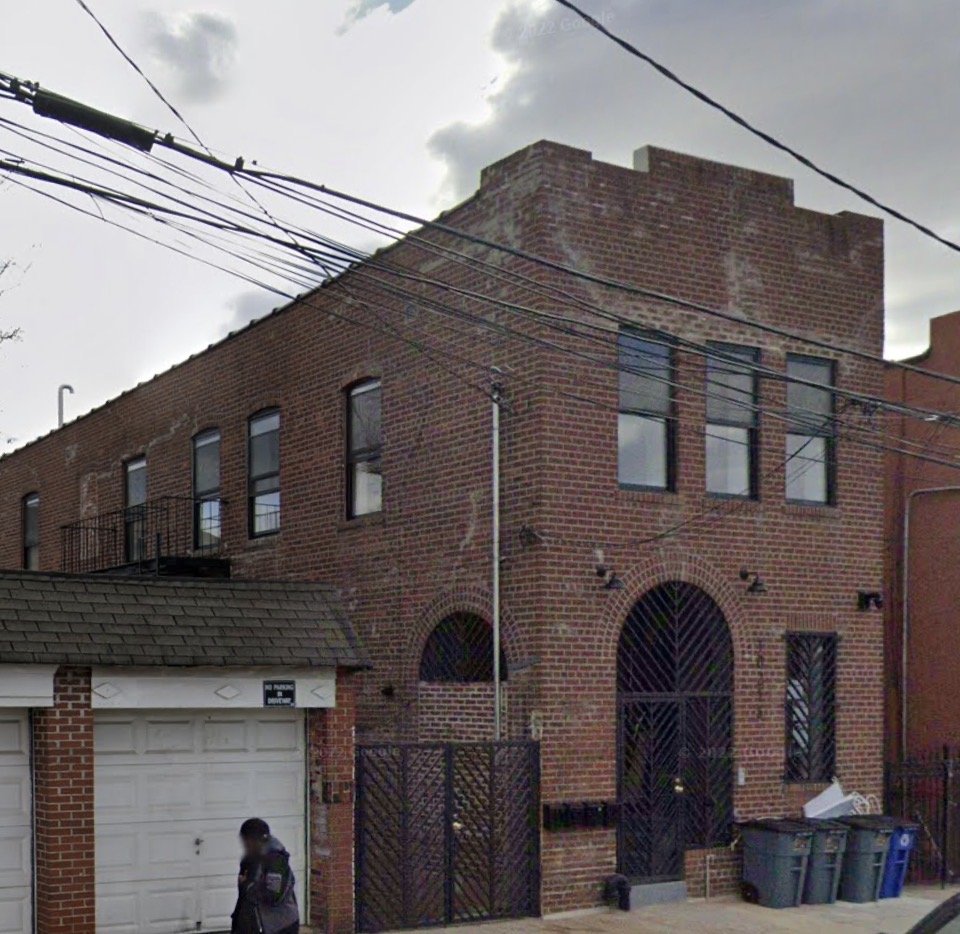
Farragut Road
If I wasn’t with my dad, this was where I wanted to be.
What I considered my castle in Canarsie — Grandma’s walkup on Farragut Road.
For now, little Jennifer was still pretending to sleep for three very specific reasons:
A) I loved when my father carried me.
B) Pretending to sleep was the best way to hear adults talk freely.
C) There were a lot of stairs.
I think there were twenty-one of them, which felt like an enormous number when you were a child.
By the time we reached the top floor, my grandmother already had the door open.
She always knew we were coming.
Carmela Rota had spent most of her life preparing for moments like this… though I wouldn’t understand that until much later

Learning to Eavesdrop
I would be wrapped immediately in the unmistakable scent of Carmela Rota — a mixture of Jean Naté, Estée Lauder Youth Dew, furniture polish, and whatever Italian food had been simmering that evening.
Even now, certain scents can transport me instantly back into that hallway.
My grandmother would speak to my father in what she believed was a whisper — which, in reality, was simply her normal speaking voice. Her questions were always carefully designed to uncover what had happened this time.
As long as I didn’t give away that I was awake, I heard everything. By then, these late-night trips were already familiar.
Or perhaps the memory is an emotional composite — many nights layered into one.
Sometimes I was awake when we left Verona, New Jersey for the hour-plus drive to Farragut Road in Brooklyn. Other times I woke with the strange realization that I had been transported while sleeping.
There were many reasons for those late-night drives, most far beyond my understanding at the time.
Though I did learn the word drunk earlier than most children.
There had been a fight.
There was always a fight.
It likely began the moment my father walked through the door after work in New York City.
And so, sometime after midnight, we drove east again.
Safe & Sound
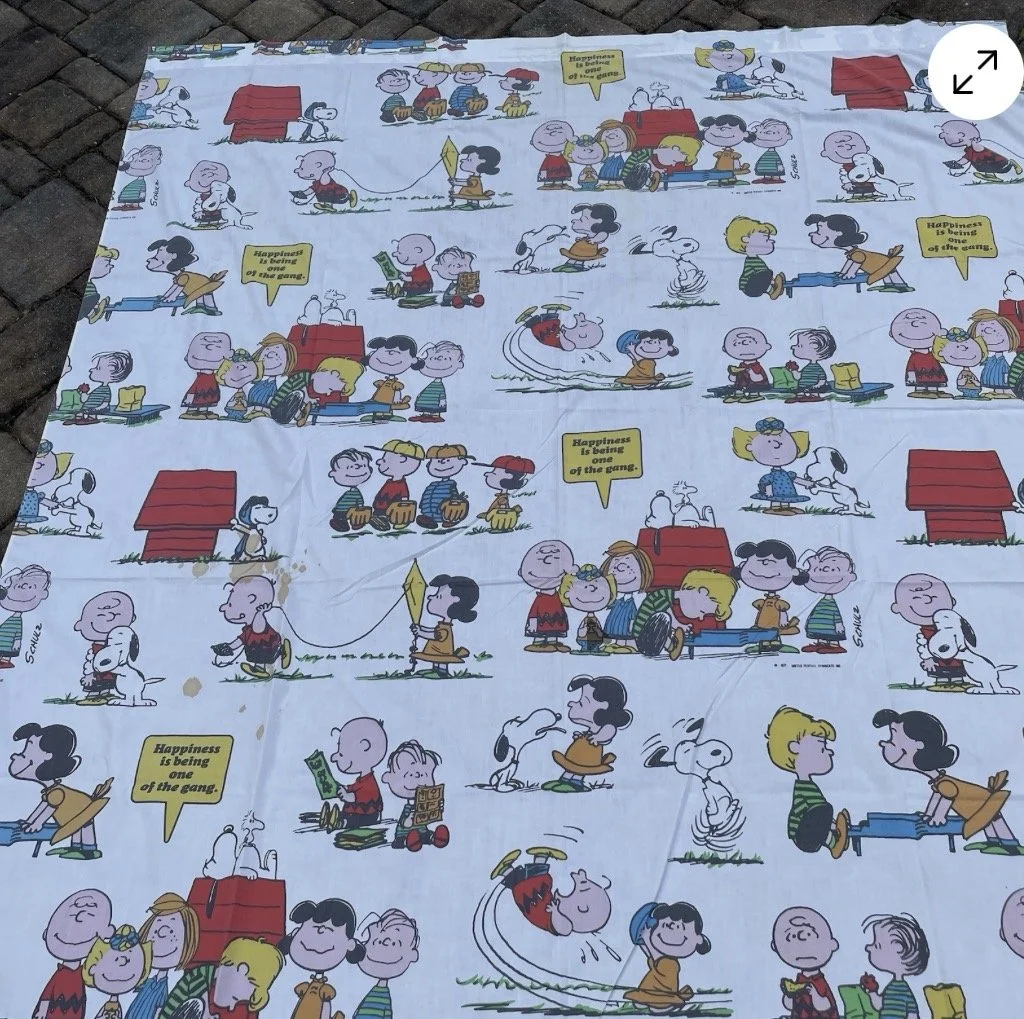
In my earliest memories, my grandmother would bring me into her bedroom, where a small youth bed waited for me with Peanuts sheets tucked neatly around the mattress.
Johnny Carson’s voice drifted from the television while laughter rose and fell from the studio audience.
My grandmother kissed me, tucked me in, and left me to sleep.
I never heard the conversation that followed.
But I could always picture it clearly: my father sitting at the dining room table seeking advice from the person he trusted most in the world.
Sometimes these visits were brief.
Sometimes they lasted longer.
But the pattern repeated for years.
And in those moments, that small apartment on Farragut Road was more than just a place to sleep.
It was safe harbor.
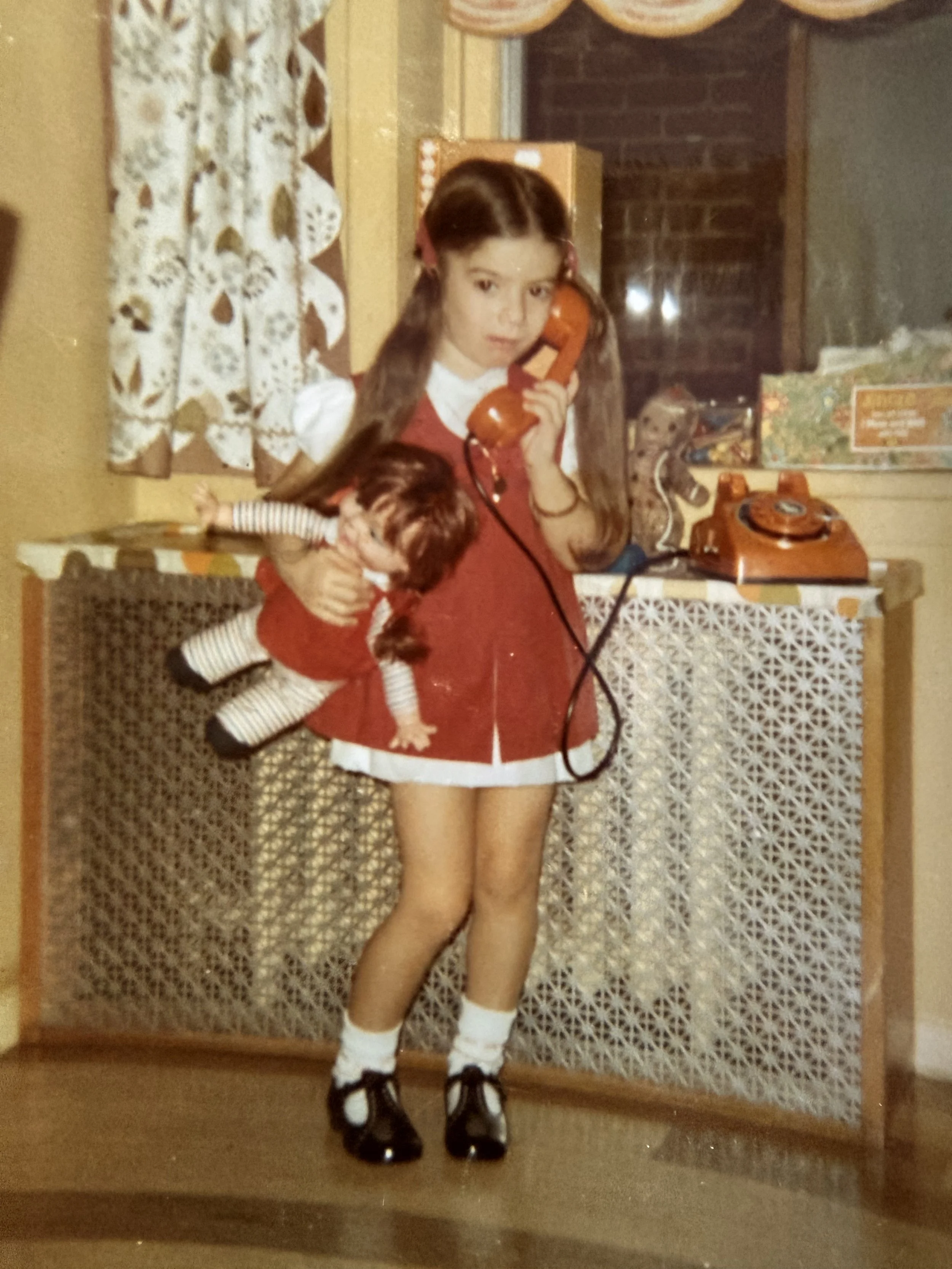
Grandma Loved An Action Shot
I don’t know how my care was managed when I was an infant, but I believe the trek to and from Canarsie was rote at the time of this memory. I learned many lessons at 102-16 Farragut Road, but what it represented to me was stability, love, and community.
Years later, I would begin to understand how that small apartment in Canarsie became our refuge, and how remarkable that she, as a woman without a high school education, could not just buy and remodel a three story building, but navigate the world of a landlady and businesswoman without a man.
The woman who created that safe haven — and quietly changed the course of my life — was my grandmother, Carmela “Millie” Rota.
As I began researching her life, I discovered far more than was ever shared with me growing up. Piece by piece, I began uncovering the stories of the family that shaped her — her parents, their parents, and the grandparents who first arrived from Italy and eventually settled in Brooklyn.
When I started this research, I never imagined how many breadcrumbs I would find. Each document filled in small but important details of her life, and of the generations that came before her.
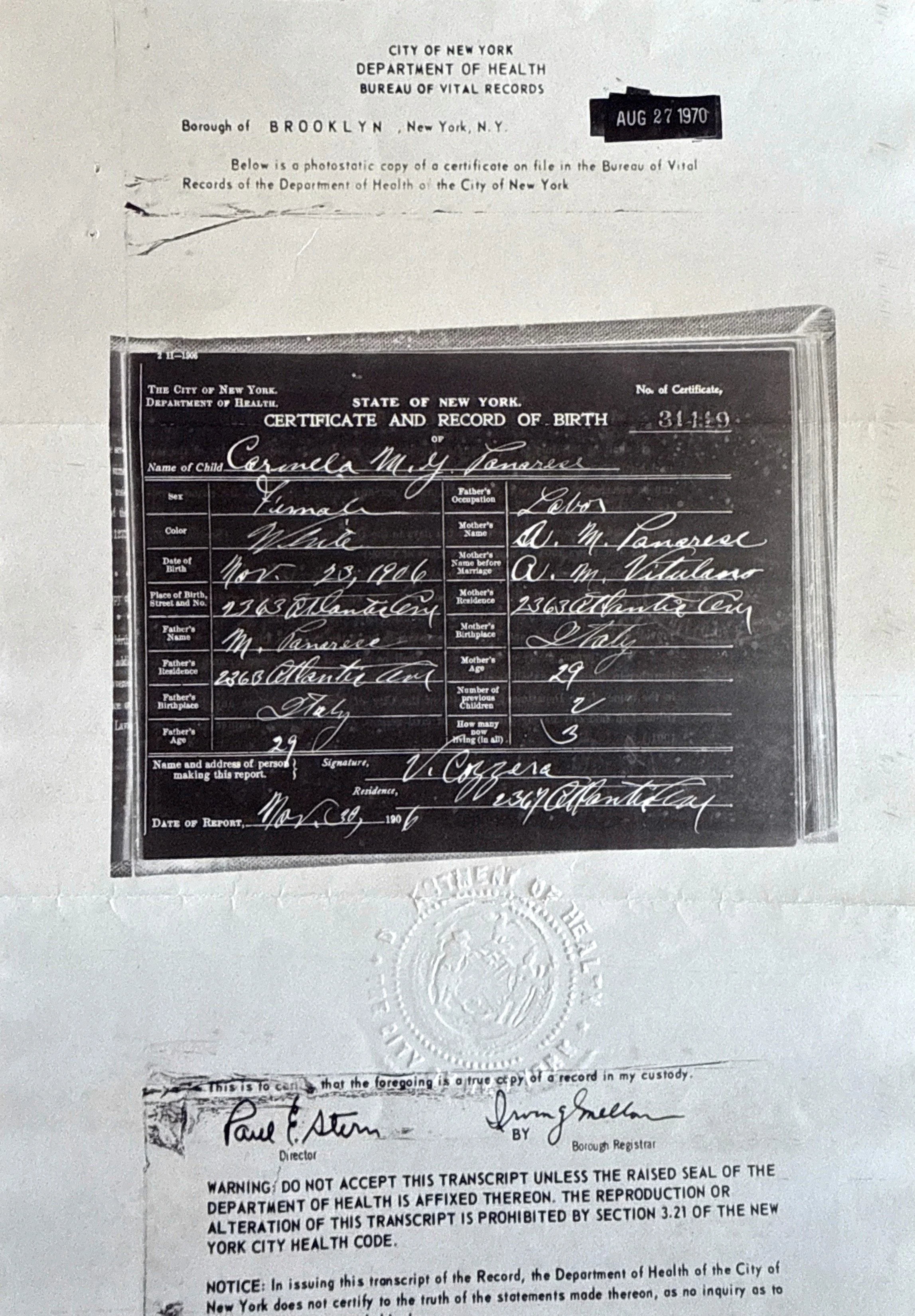
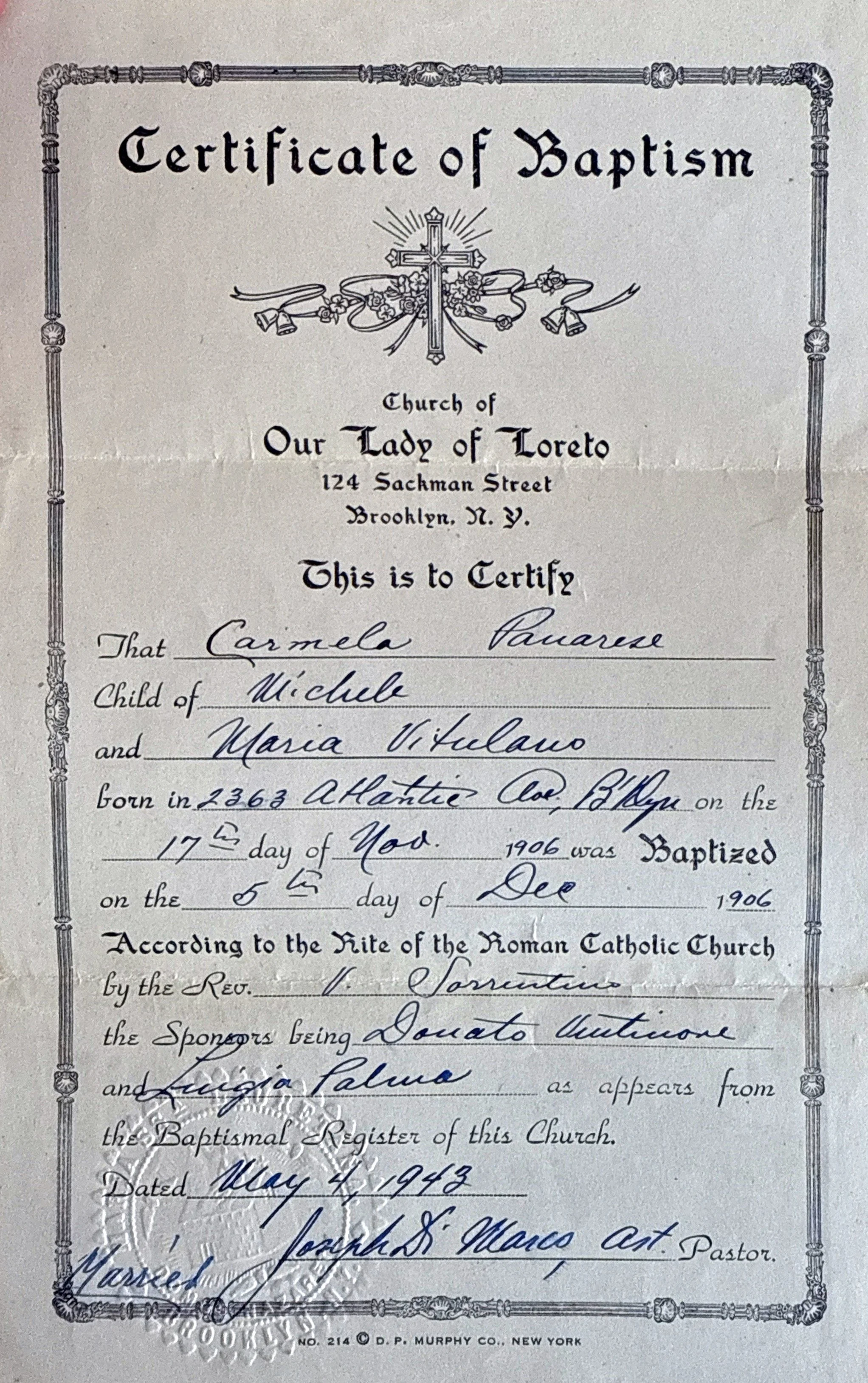
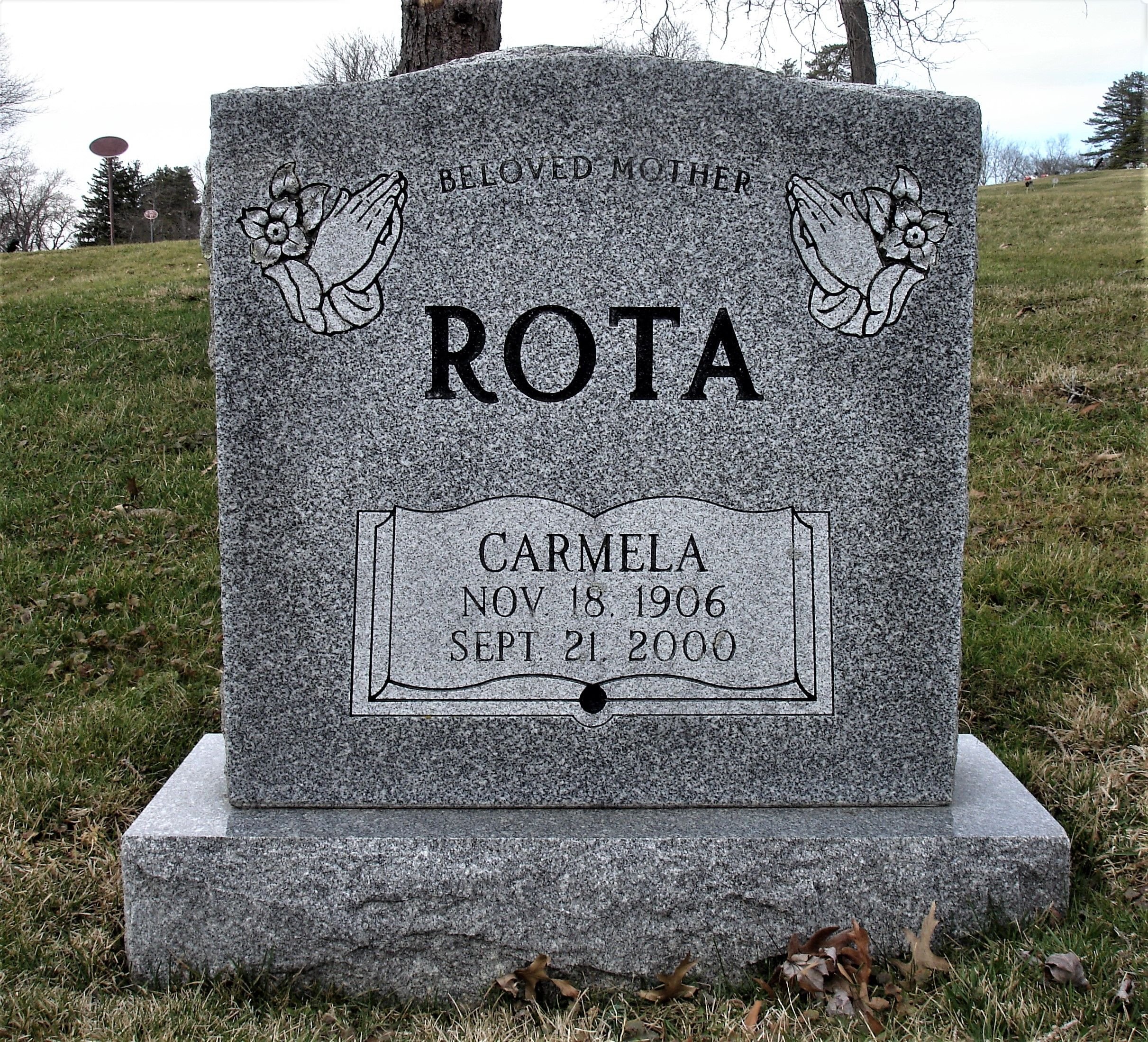
Carmela Mary Panarese was born on November 17, 1906, in the family apartment at 2363 Atlantic Avenue in Brooklyn. Her mother, Antonia Maria Panarese — who preferred the name Mary — and her father Michele were both twenty-nine years old at the time.
Their first child, Nicolina, was two years old when she welcomed her baby sister.
According to my grandmother, however, her bad luck began the day she was born.
A Life That Began With Confusion
She was born en caul, a rare occurrence traditionally considered a sign of great good fortune.
But in my grandmother’s telling, the midwife stole the caul — and then failed to properly register the birth.
The confusion didn’t stop there.
The midwife recorded the wrong birthdate. One document listed November 23. The baptismal certificate listed November 17. Yet in our family we celebrated her birthday on November 18, which she insisted was the correct date.
Even her name became tangled in bureaucracy.
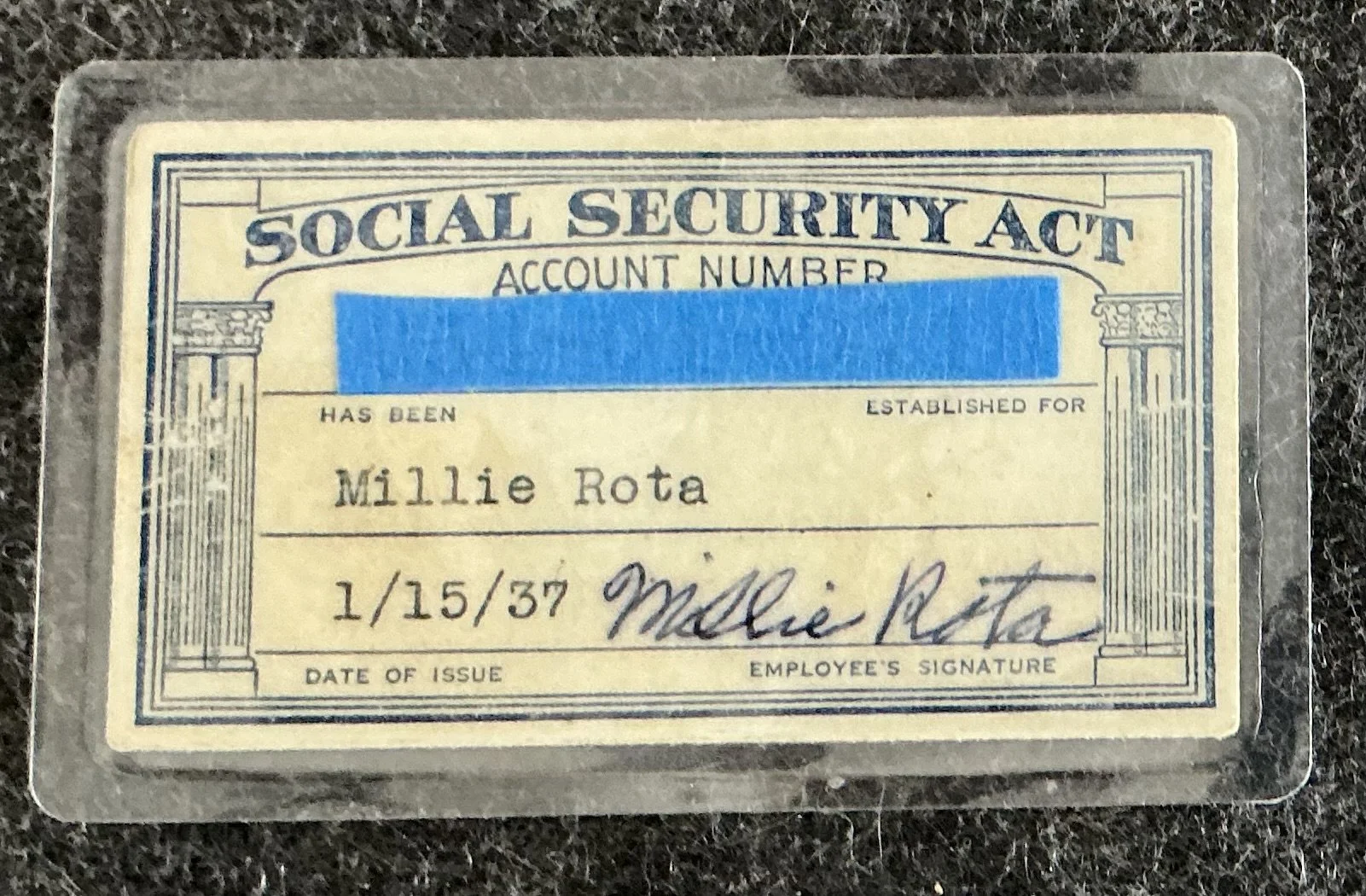
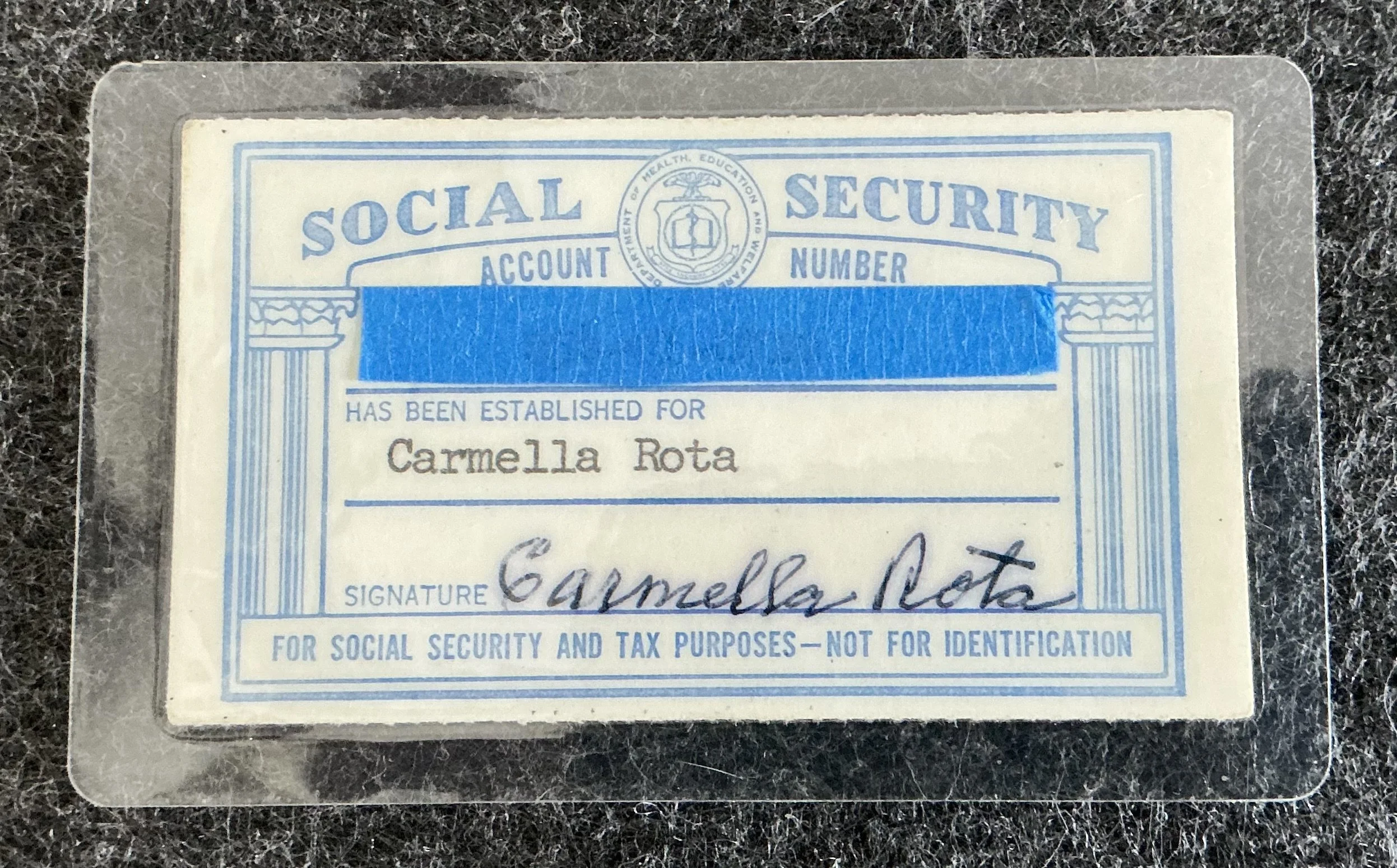
When Social Security numbers were first issued in 1936, her card was mistakenly issued under the nickname “Millie”instead of her legal name.
Correcting the error created another one …her new card added an extra “l” to Carmela, a spelling mistake that followed her all the way to the New York State photo ID she received when she was ninety-two years old.
My grandfather faced a similar bureaucratic surprise.
For most of his life he had been known simply as Frank. But when he retired at eighty, the government suddenly informed him that his legal name had always been Francesco, and his official documents would now reflect it.
Looking back, I suspect the person filling out those early forms simply wrote down the names they heard most often — or perhaps the names that felt easier in America.
Pompilo became Phil.
Alfonso became Al.
Adamo became Adam.
Antonia became Mary.
Michele became Michael.
Another quiet step in the long process of assimilation.
Leave it to Frankie
Dad made sure that there would be no way to confuse her birth date again.
As my research deepened, I began piecing together the larger story of the immigration wave that brought my family here.
They Came to Build a Life — and Built America Along the Way
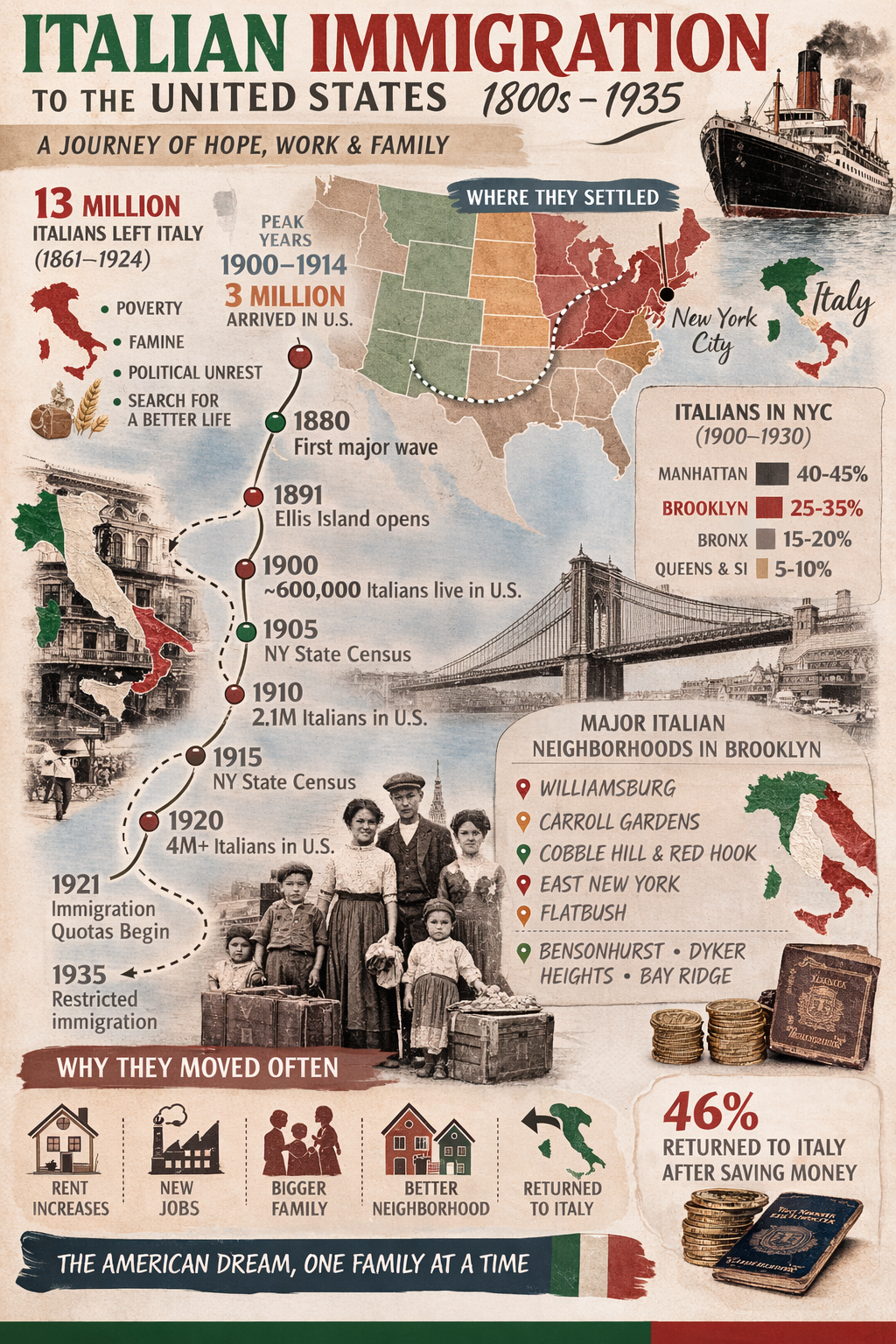
Between 1880 and 1920, the United States experienced the largest wave of Italian immigration in its history. Nearly three million people arrived between 1900 and 1914 alone, most from Southern Italy and Sicily.
The reasons were painfully familiar across many families.
Too many people.
Too little land.
Agricultural collapse.
Natural disasters.
High taxes.
Political instability.
Southern Italy had almost no industry at the time, and illiteracy rates hovered near seventy percent in some regions.
America offered something else entirely.
Opportunity.
New York City quickly became the largest Italian city outside of Italy.
By the 1890s, more than 100,000 Italians lived in New York City, with another 160,000 in the greater metropolitan area, including Brooklyn.
Many families moved frequently — chasing better jobs, cheaper rent, or simply a safer street.
My own great-grandfather Michele Panarese first arrived in New York in 1898, joining his uncle Donato on Hester Street in Manhattan’s Little Italy.
When he passed through Ellis Island, his profession was listed simply as “peasant.”
Which meant he had only one real asset. His back.
Men like Michele dug ditches, laid railroad tracks, and worked whatever labor the rapidly growing city demanded. The work was brutal, but it offered something priceless: the chance to build a life.
Eventually Michele crossed into Brooklyn, where he would spend the rest of his life.
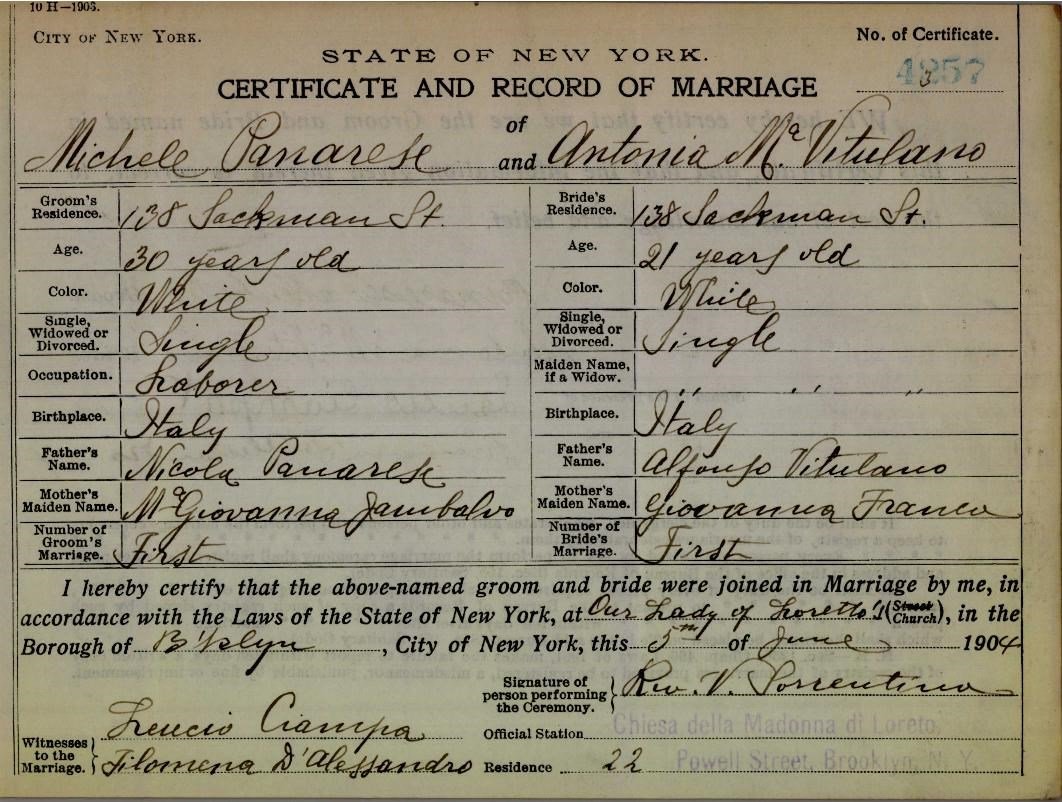
Shipping Manifests, Naturalization Applications, NY and US Census Worksheets, and Voter Registrations all gave clues as to how the family moved to grow, and grew to move.
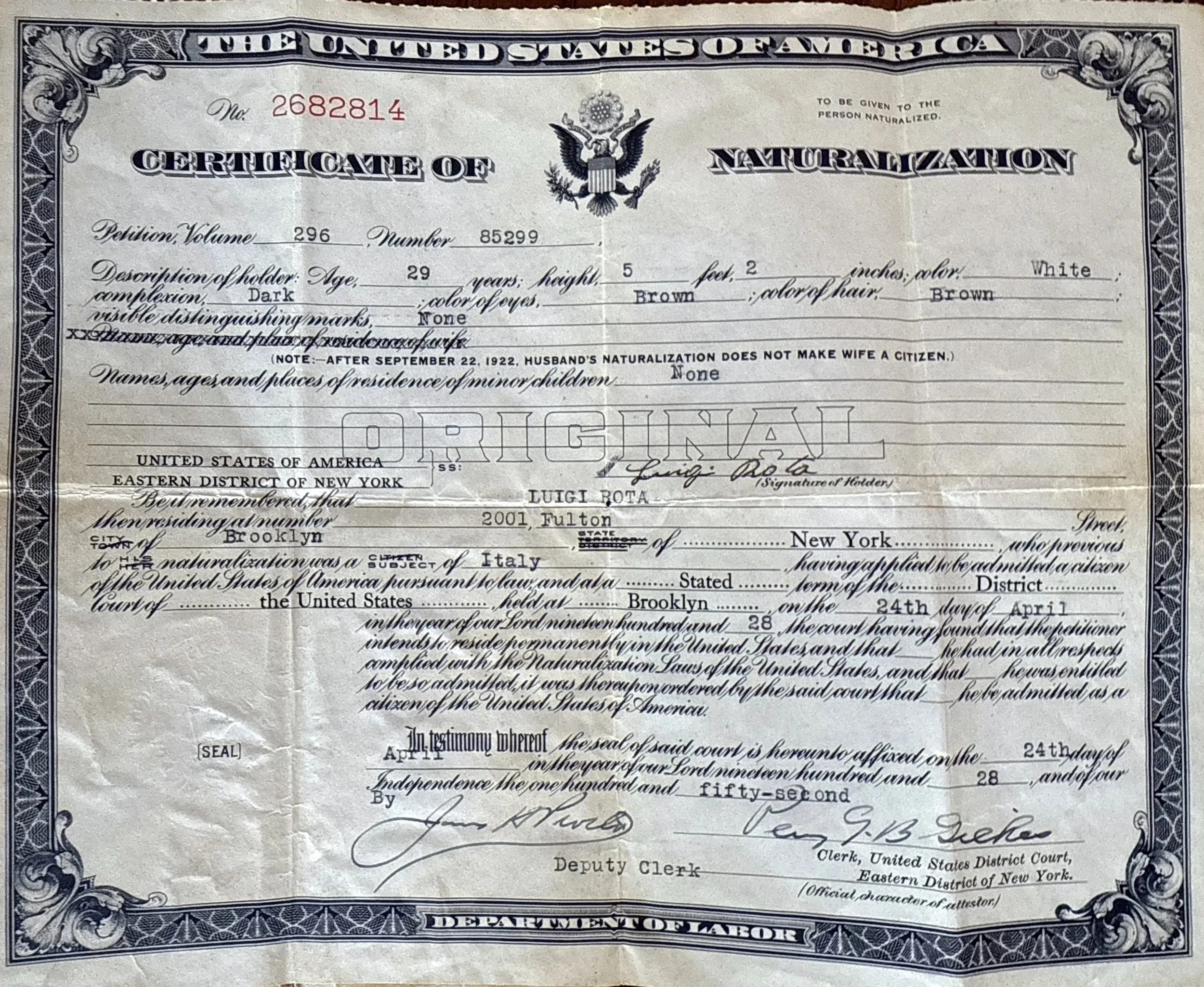
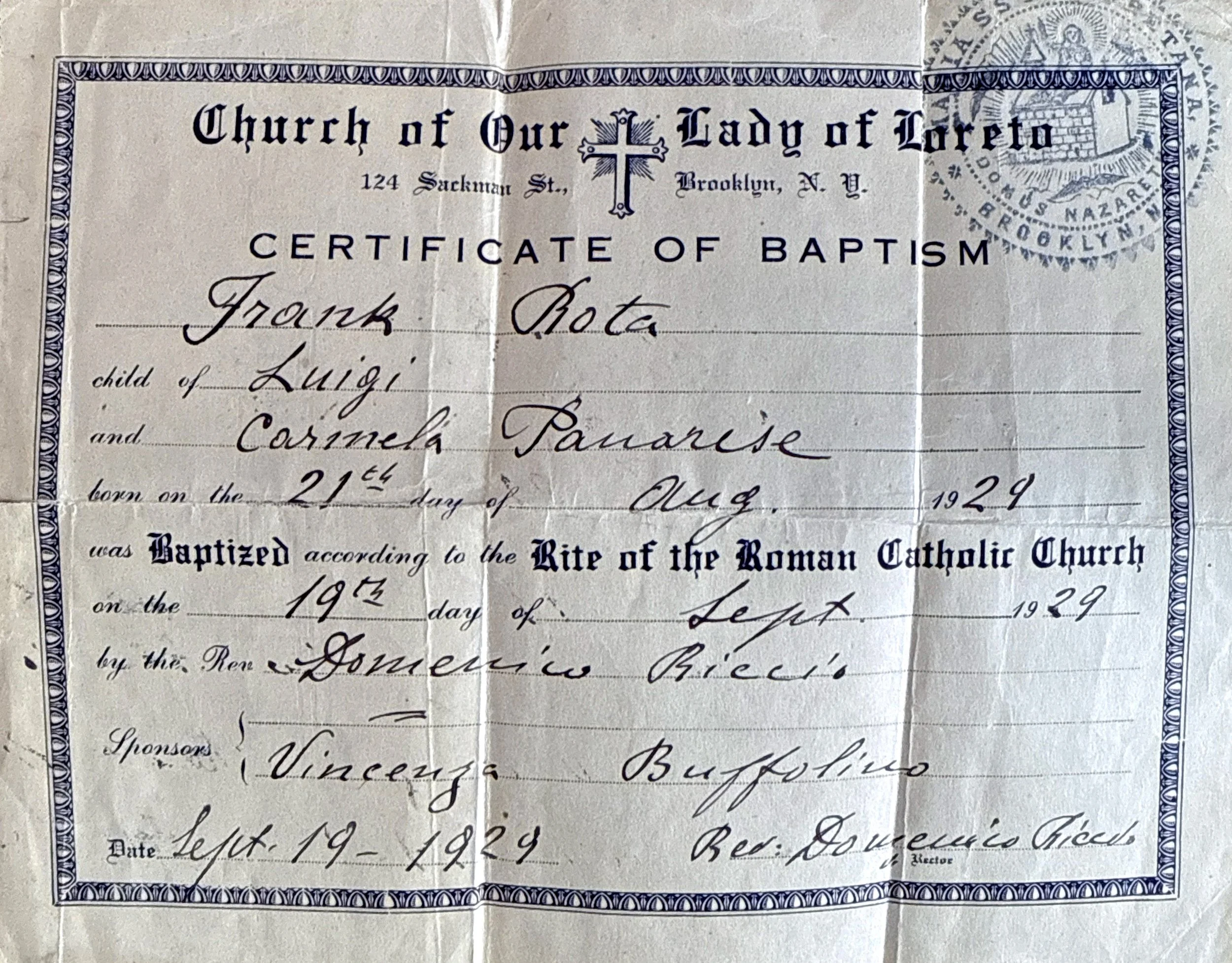
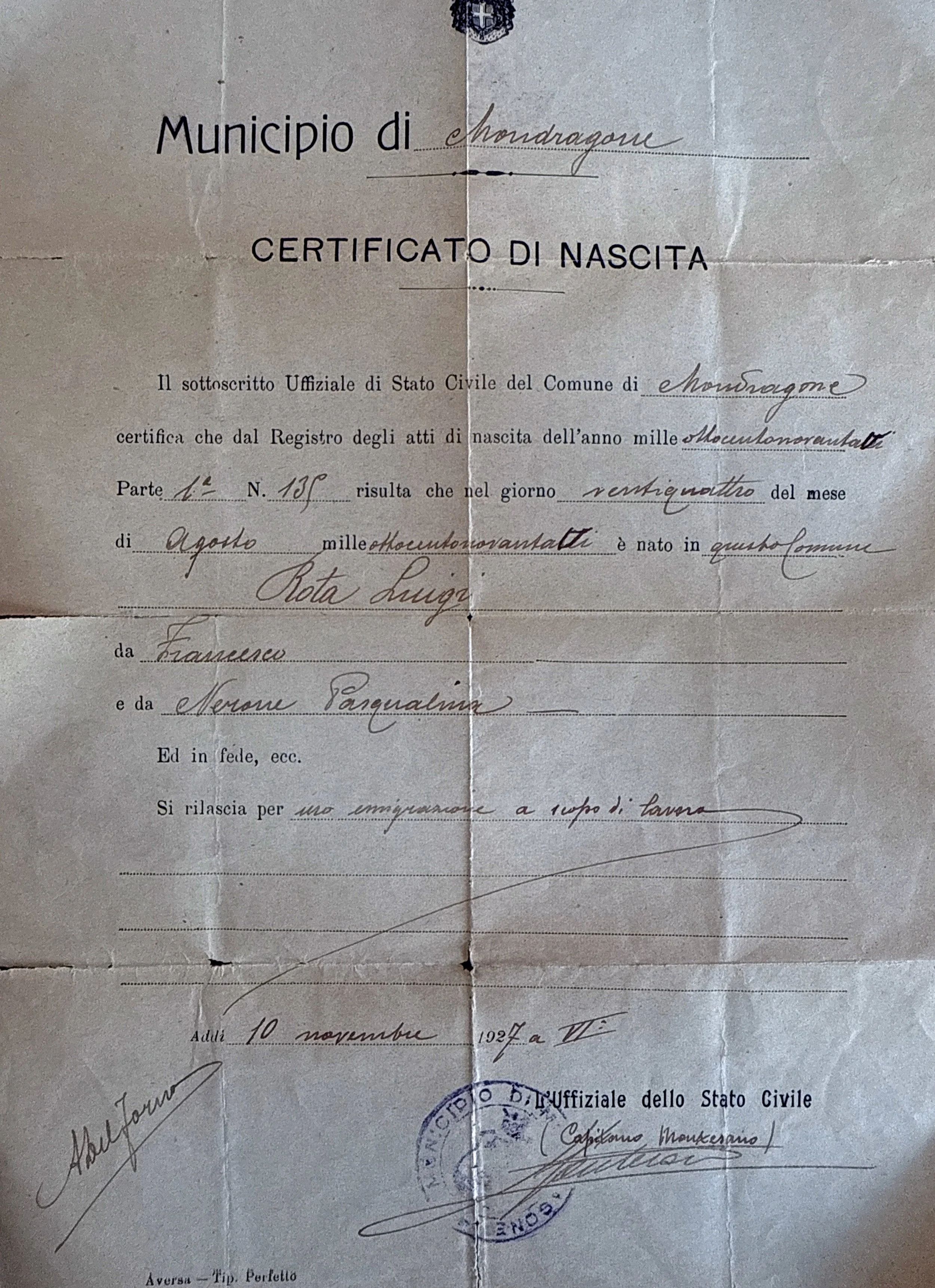
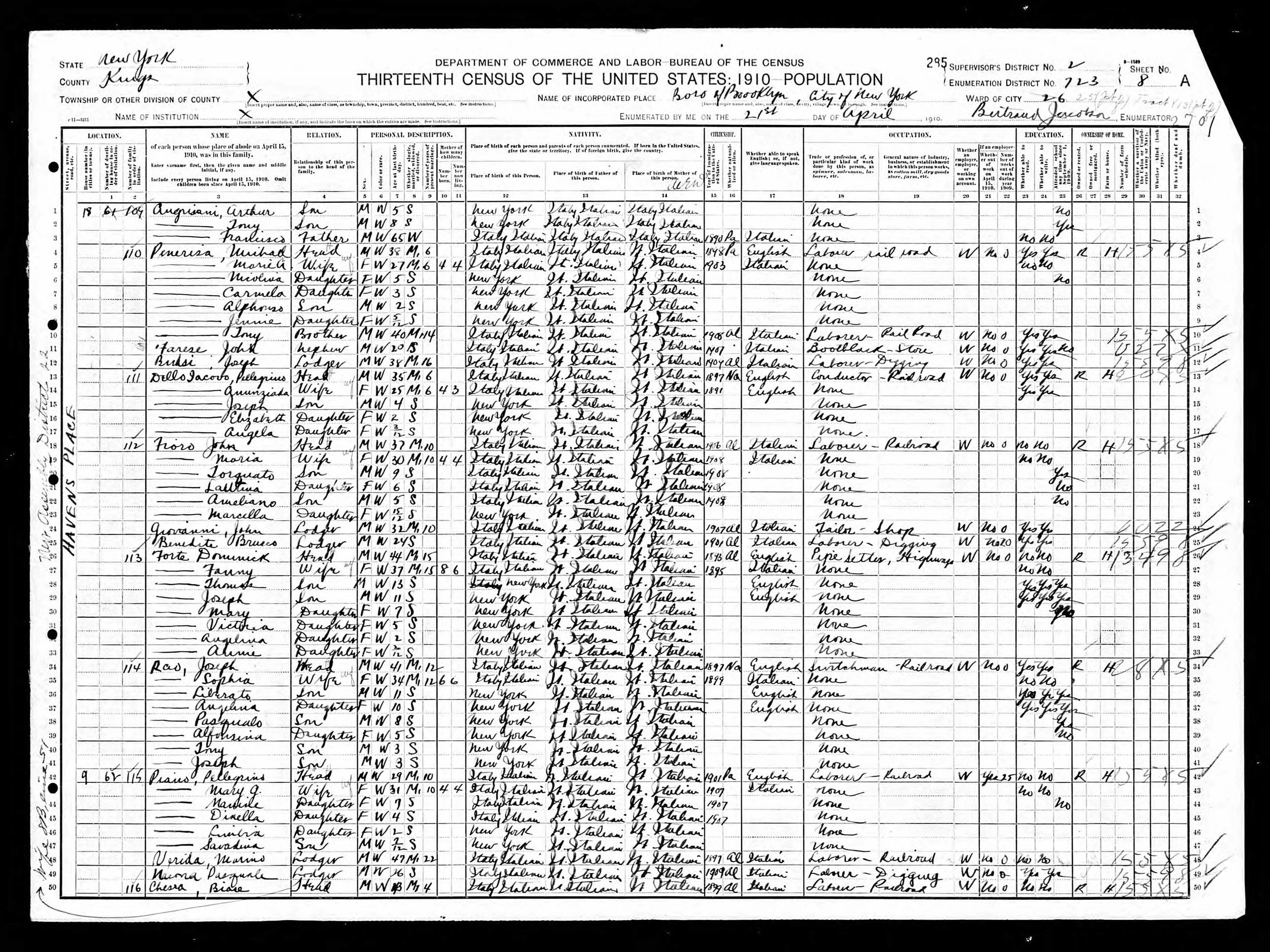
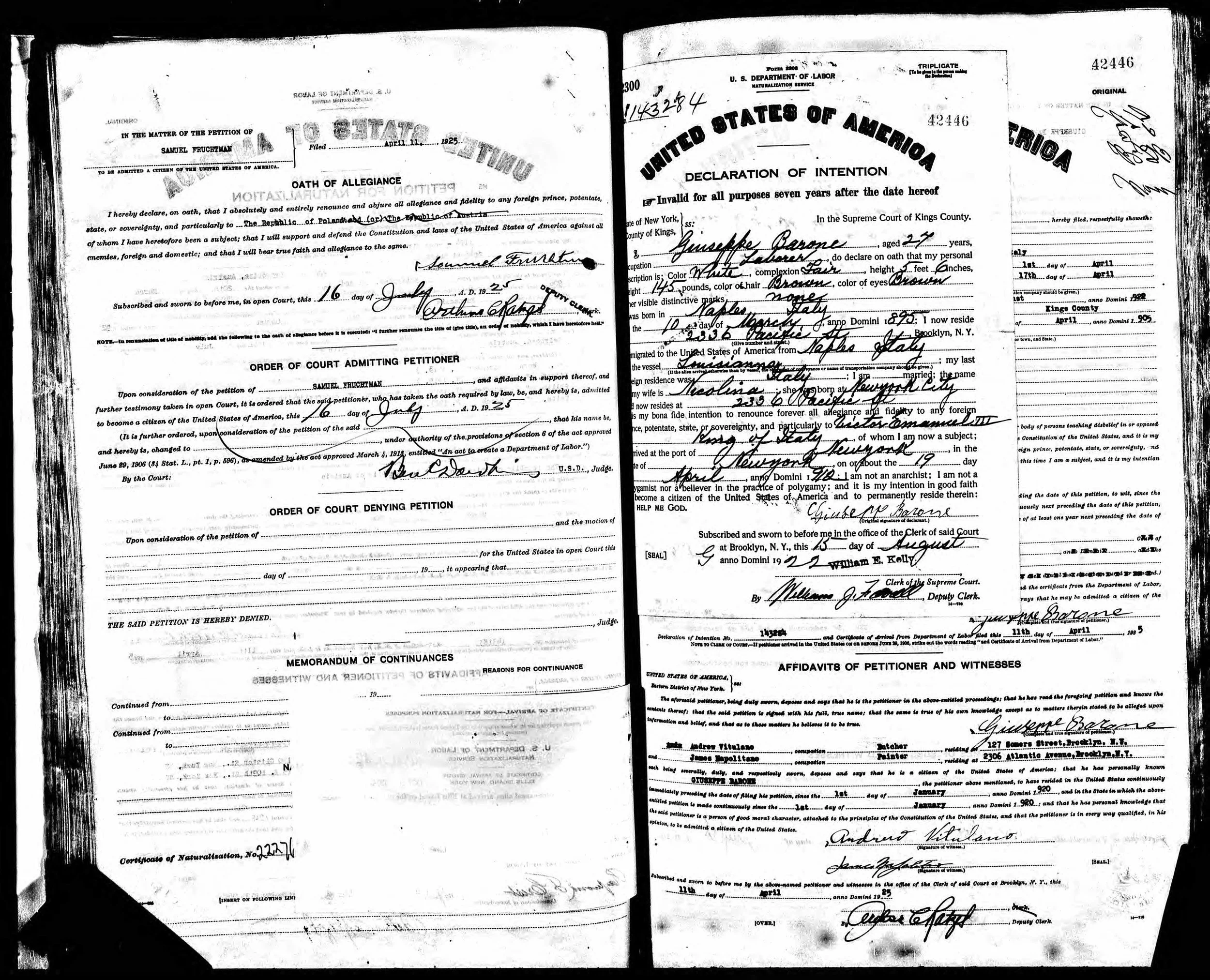
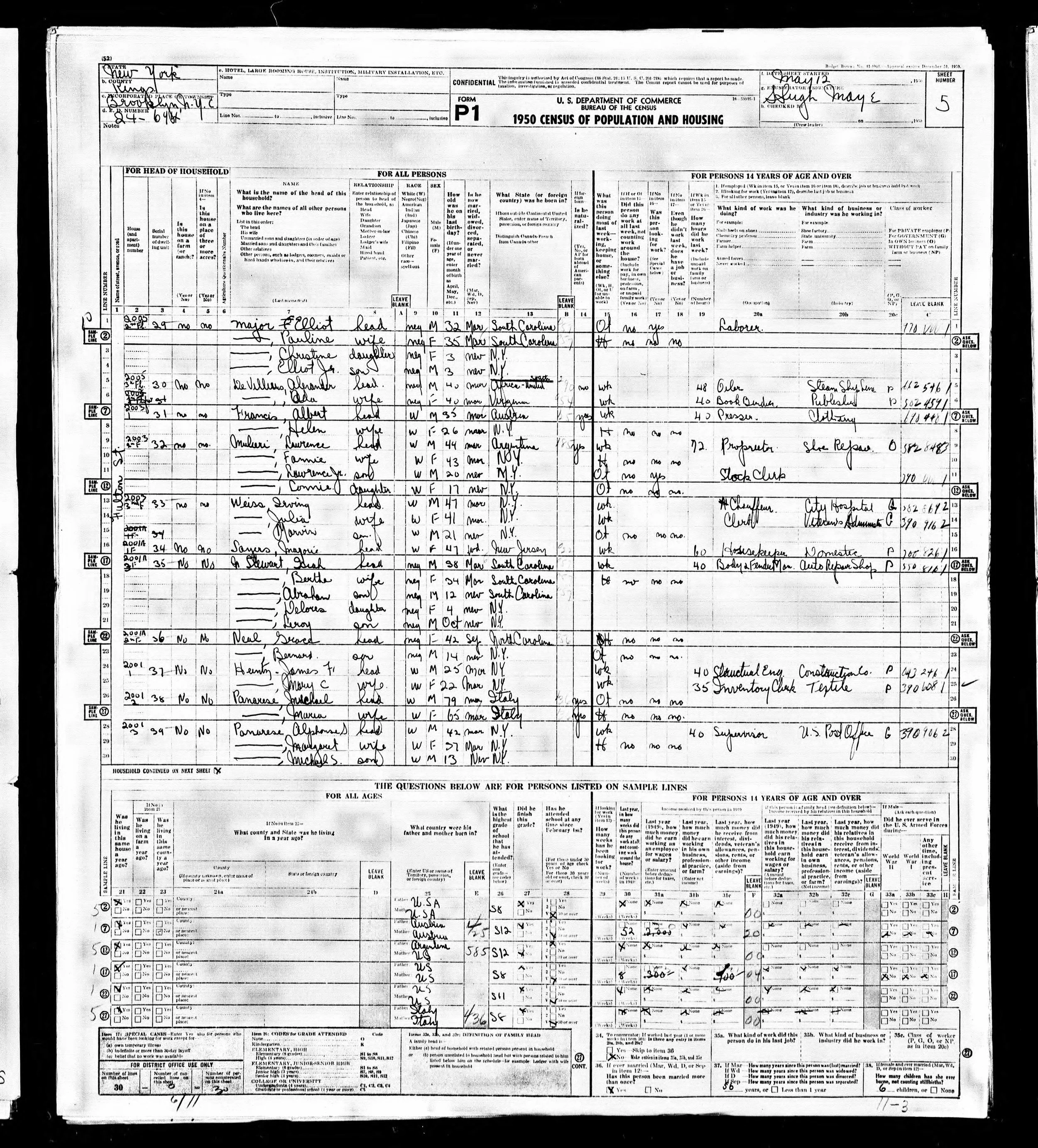
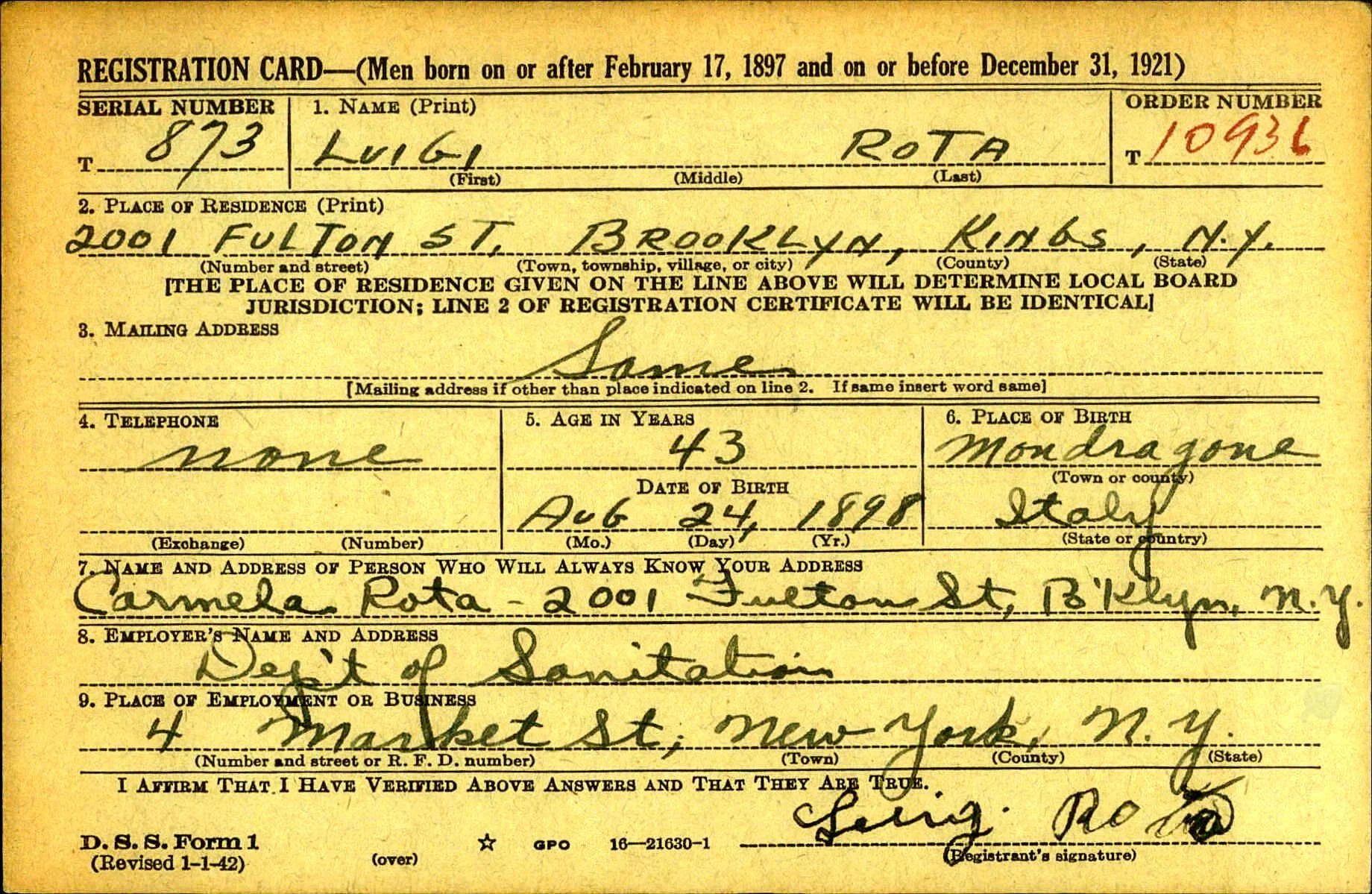
One of the most fascinating discoveries during my research was how close together everyone lived.
Census records, voter registrations, Social Security applications, and naturalization documents revealed a pattern that felt strangely familiar.
The family moved frequently — roughly every four years.
But they rarely moved very far.
Street after street appeared repeatedly in the records:
Atlantic Avenue.
Fulton Street.
Sackman Street.
Church Avenue.
In some years nearly every household listed on those streets had been born in Italy.
When I mapped the addresses, something else became obvious.
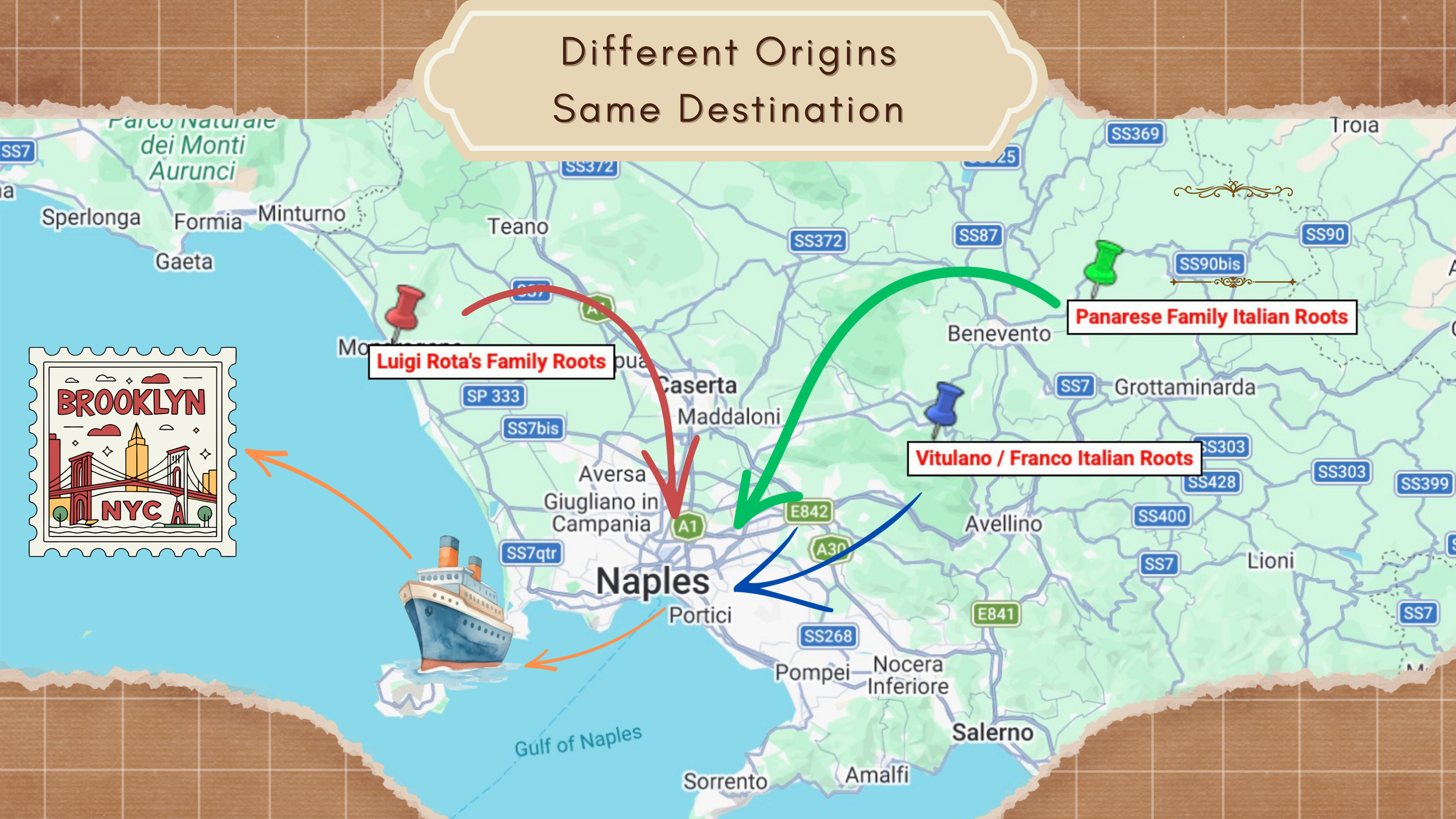
All of those homes clustered around a single place.The diverse amount of documentation that I found, and keep finding, revealed another relocation pattern that mirrored my own childhood - except we ventured much further than 10 blocks. The below interactive map has two drop downs - one is the places in Italy that my ancestors came from, but also (and far more interesting), a map showing where they lived once they arrived in America.
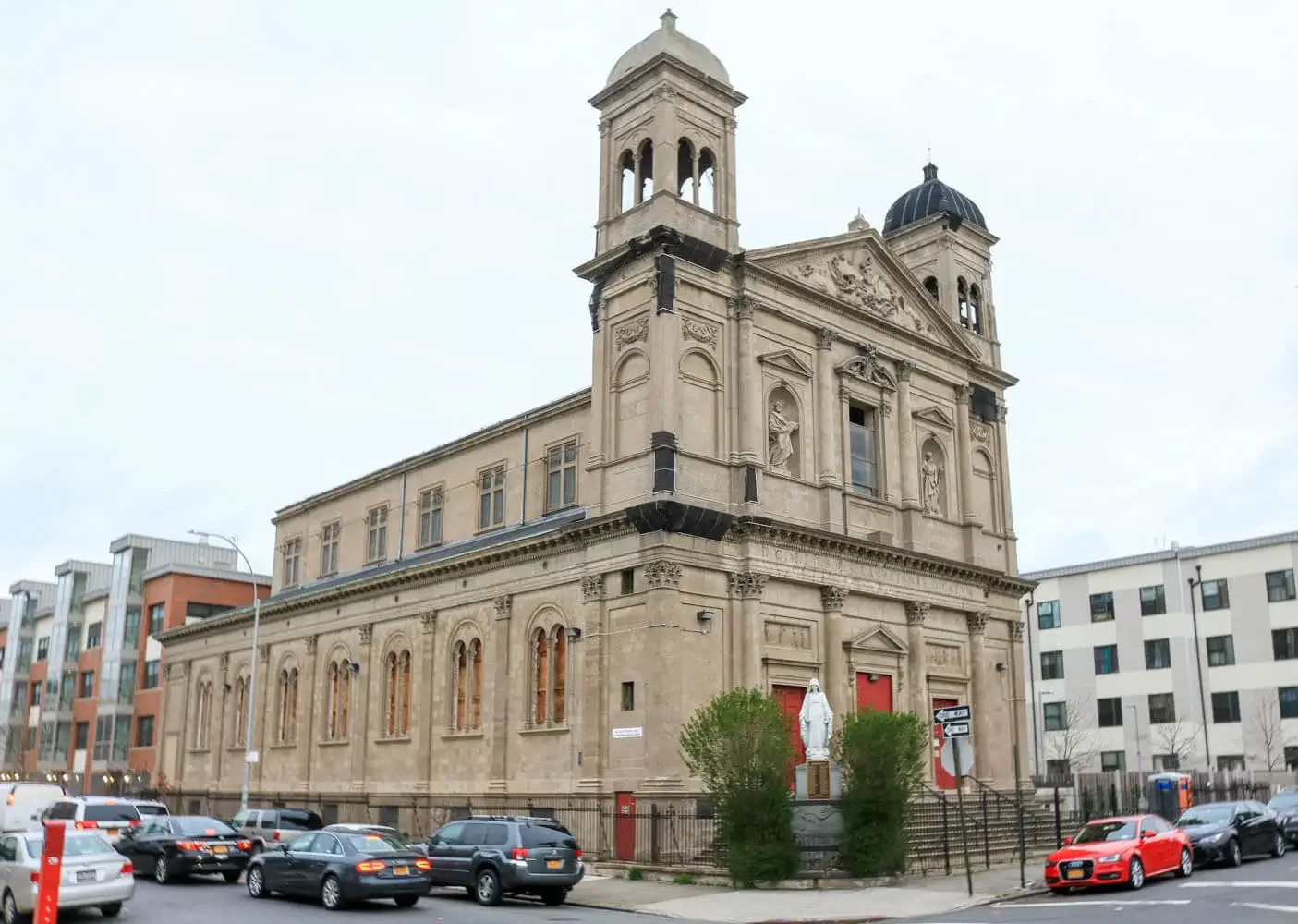
The Church of Our Lady of Loreto.
Built in 1896, the church became the spiritual center of a growing Italian community. Generations of immigrants poured their time, money, and labor into its construction.
It was more than a church.
It was the anchor of an entire neighborhood.
The demolition of that church in 2017 still resonates deeply with the descendants of the families who built it.
Reading the comments and memories shared online, I could see how powerfully those bonds still exist.
The Psyches that Paranoia, Persecution and Poverty Built
If the Panarese/Vitulano household had a good cop, it was definitely Michele, who was always described as the peacemaker and most likely to claim guilt for a misdeed so that one of his children might pass unscathed. Maria’s temperment, however, was built from different cloth that was constructed by her father, Alphonse Vitulano. A tailor by trade, he could not have a more different demeanor than his hardworking, affable son-in-law whose sole ambition was to provide for his family and keep them safe.
The Vitulano and Panarese families would eventually settle at 2001 Fulton Avenue, a building that they would own until 1964, when it was sold for $11,000.
The path to that milestone was not easy, nor simple. New York was growing and building an infrastructure, there were many opportunities to be had, but for this latest wave of immigrants, the railroads, sanitation or digging ditches were the opportunities for non-tradesmen, like Michele. He got lucky though, as Alphonse Vitulano was a tailor, and that trade would keep the family clothed, fed, and give the girls a skill for a career. Everyone contributed to the household, grandmothers stayed home to watch the children, taking in clothes to darn, wash and iron…grandfathers had rooftop tomatoes and grapes planted and chickens in what little back yards they had.
East New York was a loud, dirty, dangerous place, but like other areas, those who settled here were largely from the same regions, and as long as the “code” was followed, a balance could be found, and hard work would be rewarded by finding your “place”.
That place was determined largely by age…and by gender.
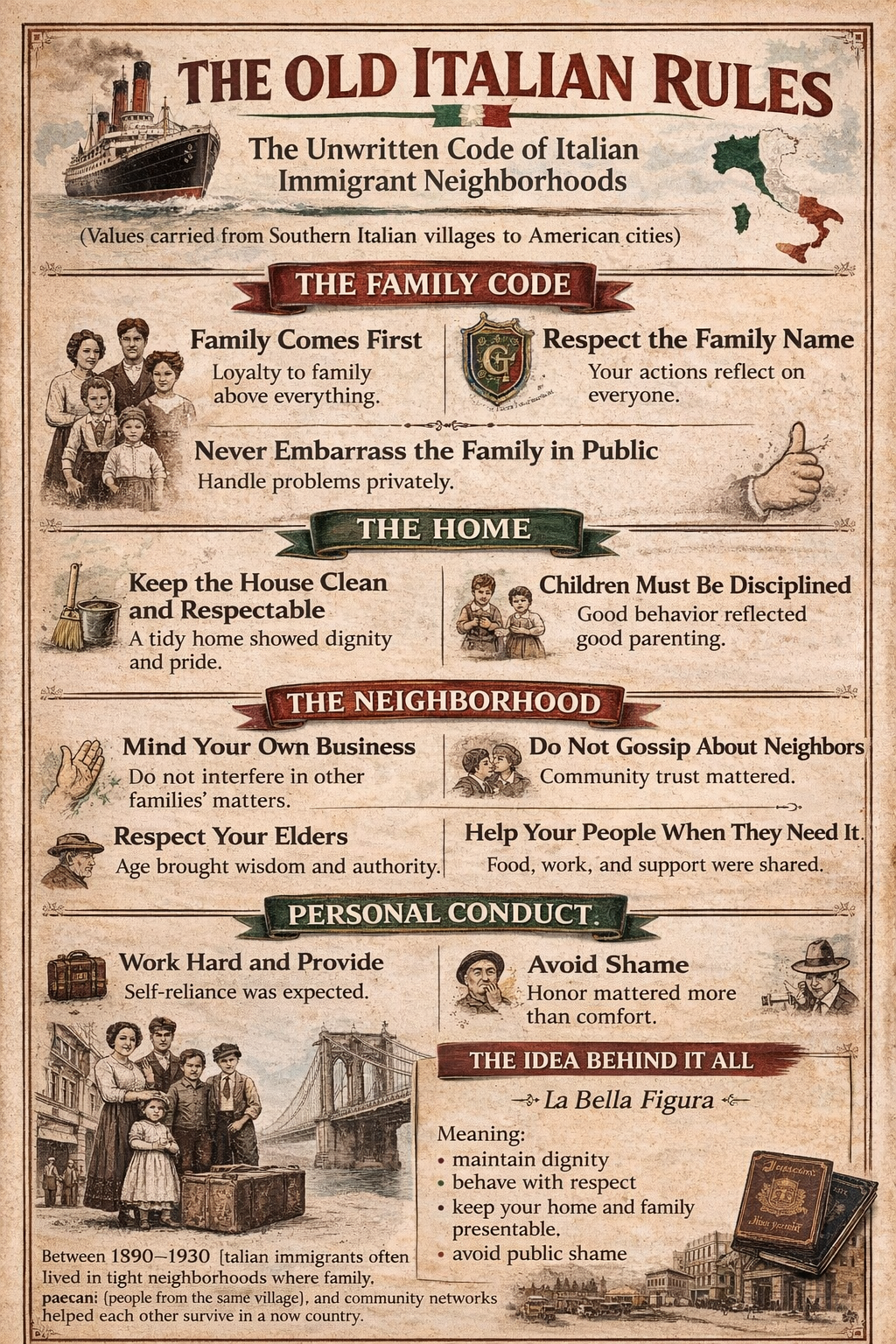
There was an unwritten rule in many Italian immigrant families: never give anyone a reason to speak badly about you.
For the generations that arrived in America between the late 1800s and early 1900s, reputation was not just about pride…it was about survival. Italian immigrants were often viewed with suspicion, caricatured in newspapers, and treated as outsiders in the neighborhoods where they were trying to build new lives. Many came from poor rural regions of Southern Italy and Sicily, spoke little English, and arrived in a country that did not always welcome them warmly.
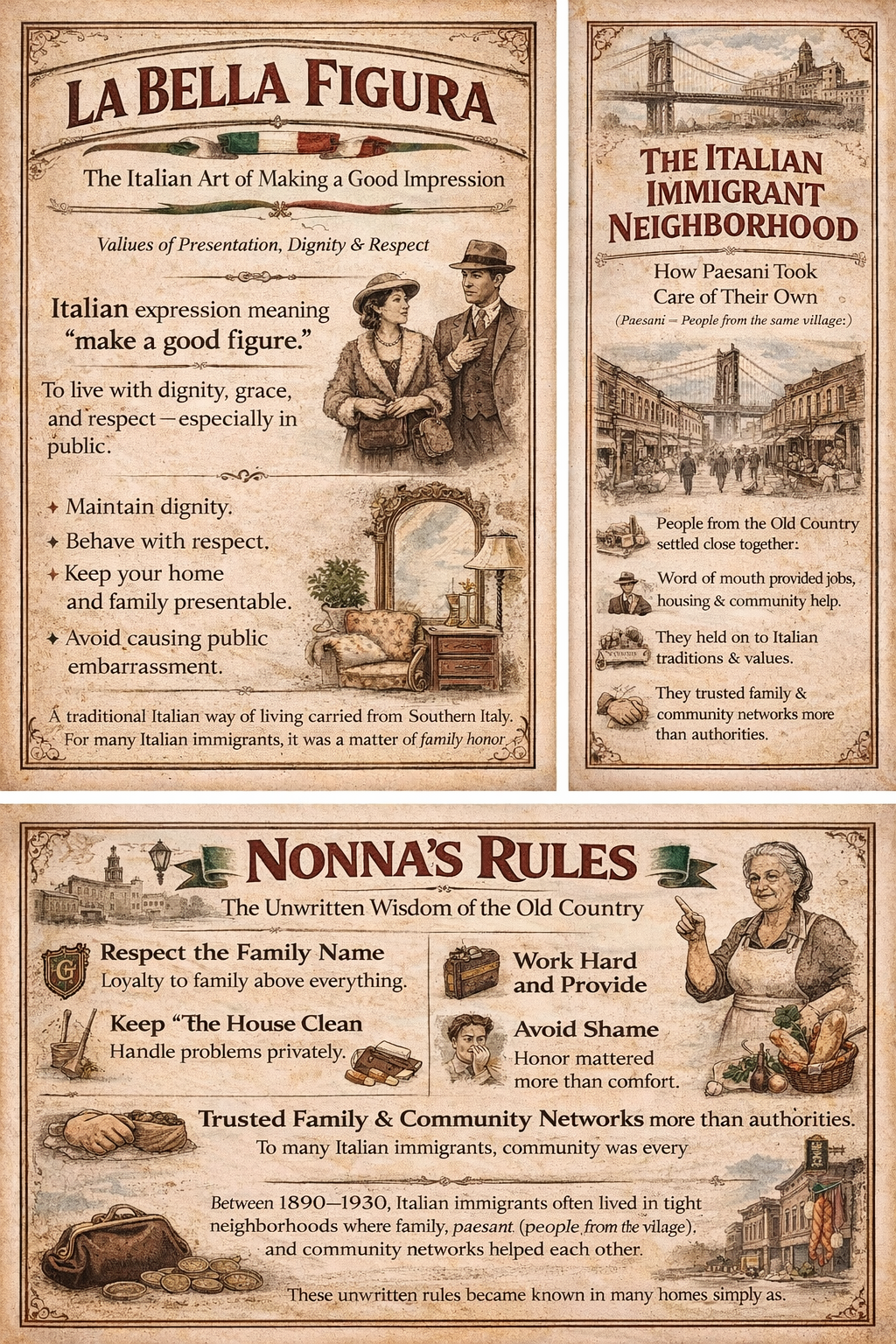
Because of that, families developed a quiet but powerful code: be above reproach. Work hard. Keep your home clean. Respect your elders. Do not embarrass the family in public. Mind your business. And always present yourself with dignity. In Italian culture this idea is captured in the phrase la bella figura—literally “make a good figure.” It meant carrying yourself with respect and maintaining a sense of honor, even when circumstances were difficult.
In immigrant neighborhoods, this code was reinforced every day. Communities were tightly woven, often made up of people from the same village or region in Italy—paesani. Word traveled quickly, and the reputation of one person could affect an entire family. Maintaining dignity was a way of protecting not just yourself, but your parents, your children, and the generations that would follow.
Looking back now, it is easy to see how these values shaped so many Italian-American households. They were not simply about appearances; they were about resilience. When people face prejudice or exclusion, they often respond by doubling down on integrity, work ethic, and family loyalty. For many Italian immigrants, living “above reproach” became a quiet form of resistance—a way of proving, day by day, that they belonged in the country they were helping to build.
Those lessons have a way of echoing across generations. Even today, many Italian-American families still carry pieces of that old code: respect the family name, take pride in your work, and never forget where you came from.
I learned these rules in a different part of Brooklyn, at my grandmother’s building in Canarsie on Farragut Road.
In 1970’s Canarsie, living on a dead end, could be scary - but this 5 building section of a road to nowhere having no distinction other than a water treatment plant and the Canarsie train line 200 feet away, was a little community in itself.
Two Very Different Daughters
Before I met my Great Aunt Nicolina Panarese, I thought that I would dislike the woman who may have ruined my grandmother’s chance for happiness, but she became a legend to me after we attended a party at her house for her birthday. My grandmother had told me that her sister was dying of cancer, and between her brothers and my dad, she was ready to bury the years of resentment and anger. There were whispers about a familial split after their parents passed, and it seemed her sibling’s imminent death was enough to reunite.
Sitting in the back of a huge, beautiful house somewhere in Brooklyn, I listened to my grandmother stiltedly converse with her elder sister that she hadn’t seen in over 10 years while watching what I was told were dozens of cousins of all sorts of ages running around the yard. She was a presence, owning her oversized chair in the shade, open her lap to any number of children who would stop to get a hug or just rest.
“Millie! What is she wearing??, why is she dressed like a doll? She should play!!!” I was slowly realizing that the she was me, and watched my grandmother’s face as I tried to gauge what my reaction should be when. “Minnie!!” Aunt Nicky yelled out for her daughter - get her some running shoes, the kids closet… and pants! She needs pants!” I was now paralyzed with fear. Pants were NOT something grandma allowed, but I knew my role - look down, become invisible…when my hand was grabbed by Minnie, and in minutes I had shorts under my skirt and my patent leather shoes were replaced by tennis shoes.
While that day and other lectures from her siblings, my grandmother would create more opportunities for me to socialize with other kids, I still understood that what Nicolina did when she was young had horrible repercussions for her sister.
In the Panarese household, everyone contributed. The girls were allowed to bathe first — water had to be carried upstairs and heated — but otherwise, expectations were heavy. Carmela noticed early that her brothers weren’t required to sew, clean, or cook. Nicolina pushed back. Carmela absorbed the consequences. Life wasn’t fair, and it was considered a waste of resources to educate the girls when the men needed to get an education so they can better provide for their families…The hope and dream of every immigrant parent - to give their children a better life than they had.
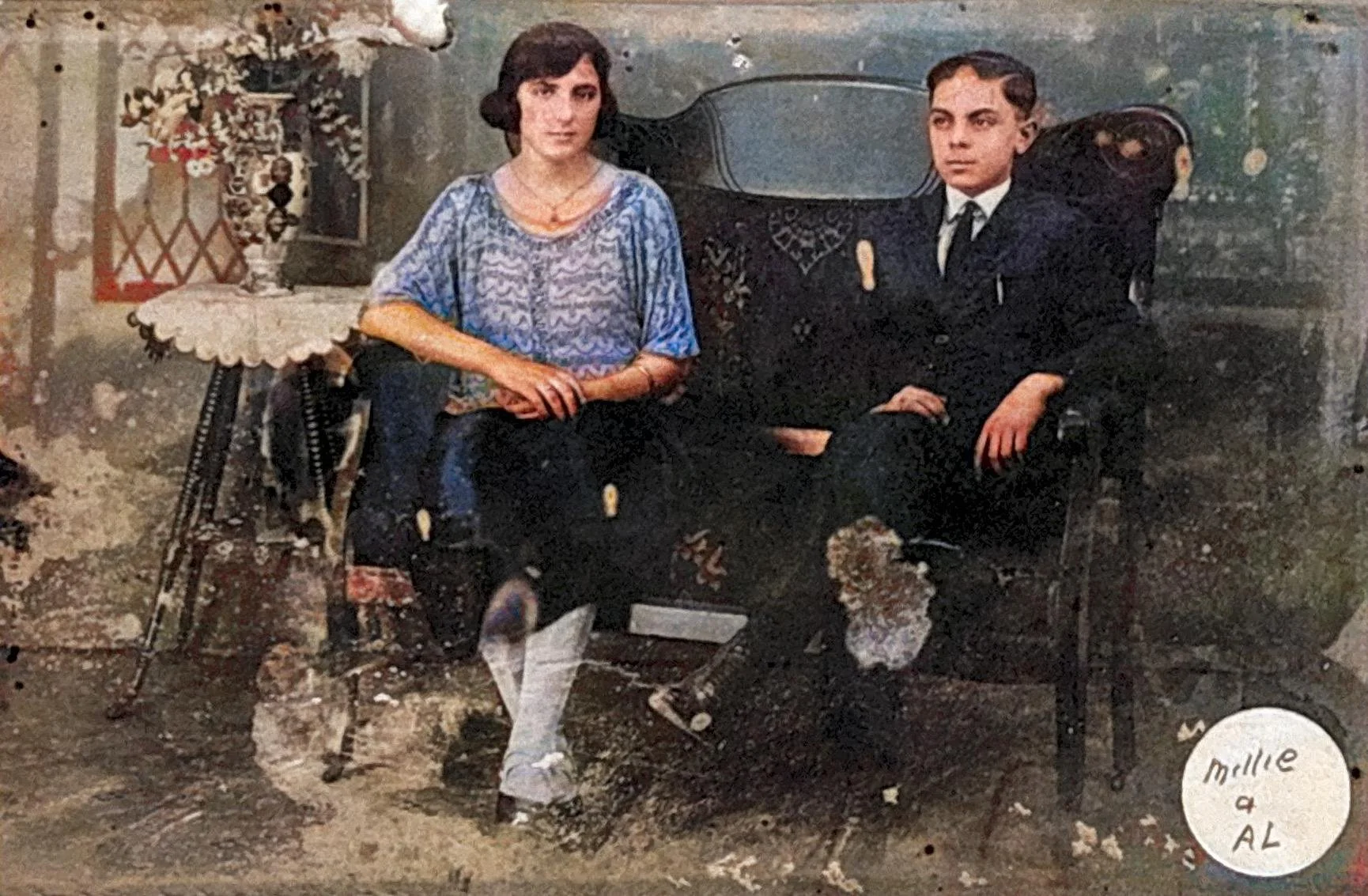
“Uncle Al” was younger than “Millie” by two years, and though they were especially close, their shared tempers and the need to dominate often had them at odds…but they always managed to make up…eventually. Though she was only allowed to attend “primary” school (grades 1 - 6), she would continue to learn through her younger brother's’ education and eventually her son’s.
At night, after everyone slept, her brother Alphonse would share what he’d learned in class that day. She listened. She remembered. She never stopped wanting to know more.
Instead of school, she would join her mother and grandfather in the basement…to darn, alter and create clothing for the family and the neighborhood, and then when it was legal, (16) she would head to the garment district where she would start as a piece worker and ended as a highly regarded (and paid) hand stitcher for lingerie, and supervisor of the bathing suit floor.
The Sins of a Sister
When Carmela was fourteen, her sister Nicolina, who was 16 - eloped and left behind more than scandal - she left her 14 year old sister to carry the burden and the stain of Nicolina’s decisions.
One day, Luigi Rota appeared at my great-grandfather’s door, introduced by Adamo Panarese, Michele’s brother.
Carmela felt uneasy immediately. His charm rang hollow. His laughter was too loud.
There was also a secret, a young baker’s apprentice who walked her to work at the sweatshops. He was Italian, but from a different region.
By the time Carmela was brave enough to ask her father if she could introduce her beau, an agreement had already been made by men. Forged between Father and Future Son-In-Law, and witnessed by her Great-Uncle, the future was decided.
Luigi would stay. He would contribute. Paychecks would be pooled. Pride preserved.
For Carmela, family was everything.
For her father, appearances were everything — and this daughter would not bring shame to his door.
It’s important to me to linger here, with the hopeful version of Carmela — before the hard years fully took hold — and to honor both her light and her loyalty. Knowing what comes next, I’ve tried to hold her choices gently, within the context of the world she lived in. These were proud immigrants striving for legitimacy and respect, doing everything they could to distance themselves from the stereotypes that surrounded them, while surviving in a system that demanded conformity, sacrifice, and silence.
On June 5, 1928, my grandmother walked down the aisle, draped in Italian lace. What followed did not break her, she would face adversity head on until the was given permission to seek her own happiness.
The Strongest Bond
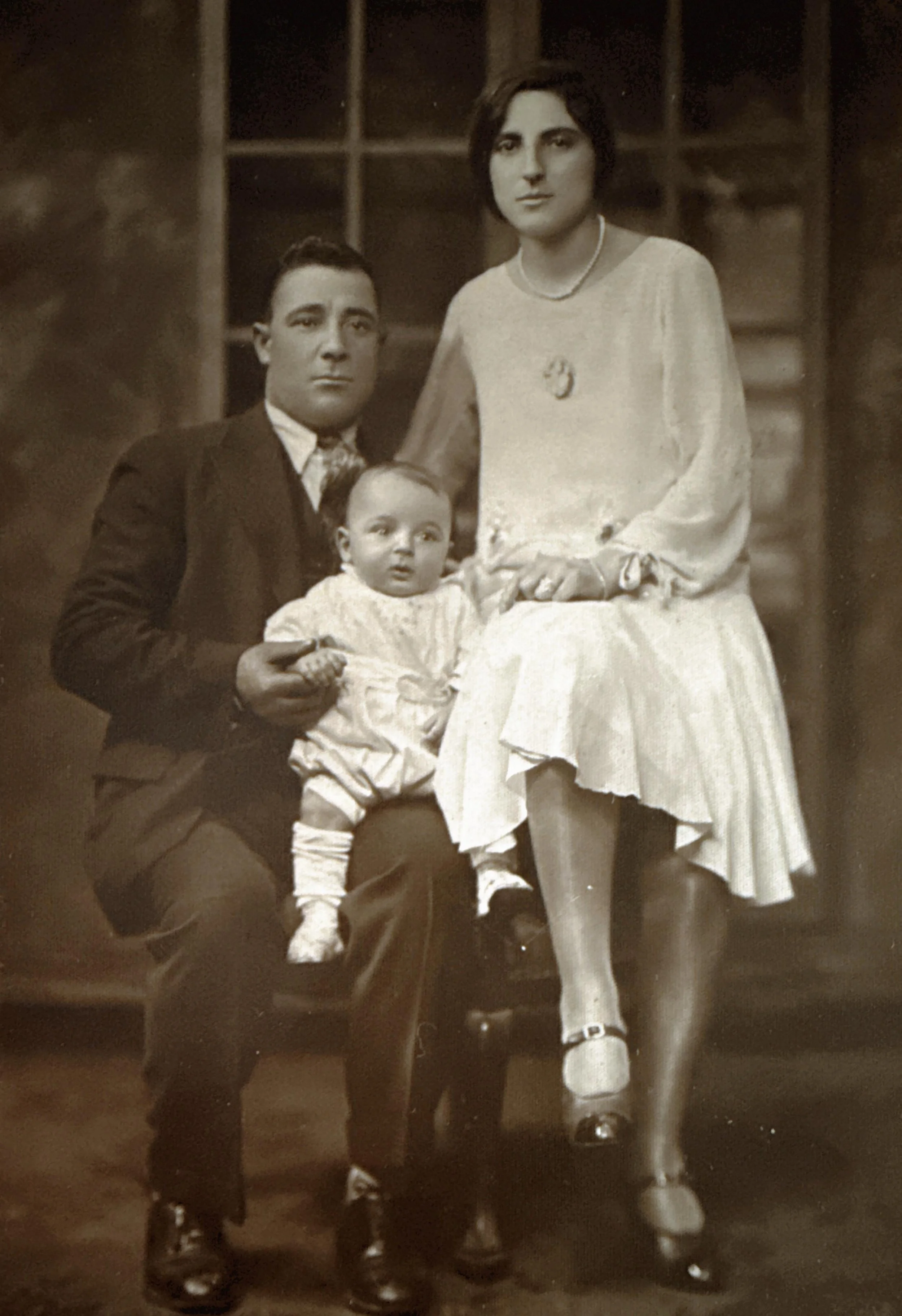
On August 21, 1929, Francesco Adam Rota was born to Carmela and Luigi Rota.
Mother and son would forge a bond that nothing…not circumstance, not hardship, not time… could break.
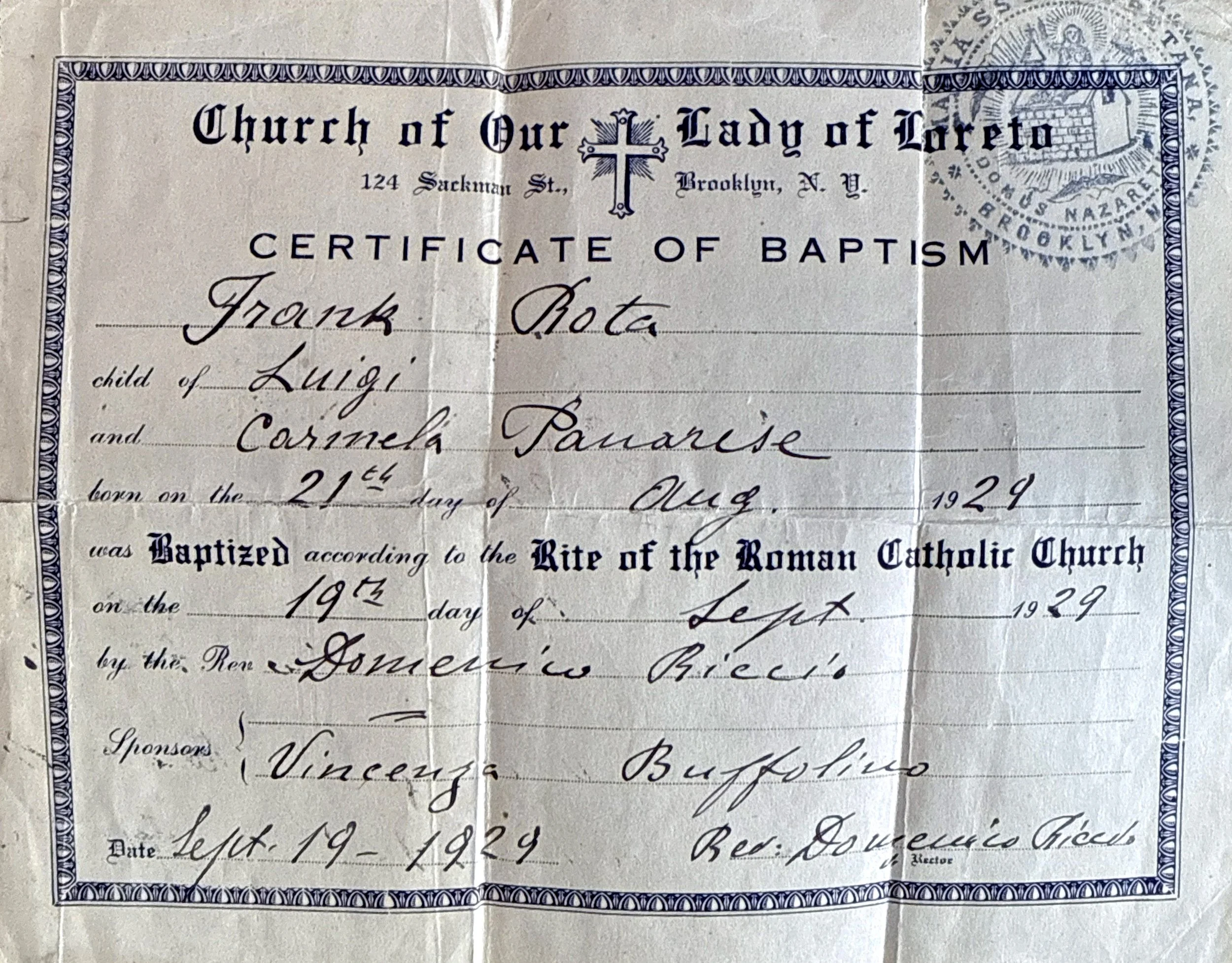
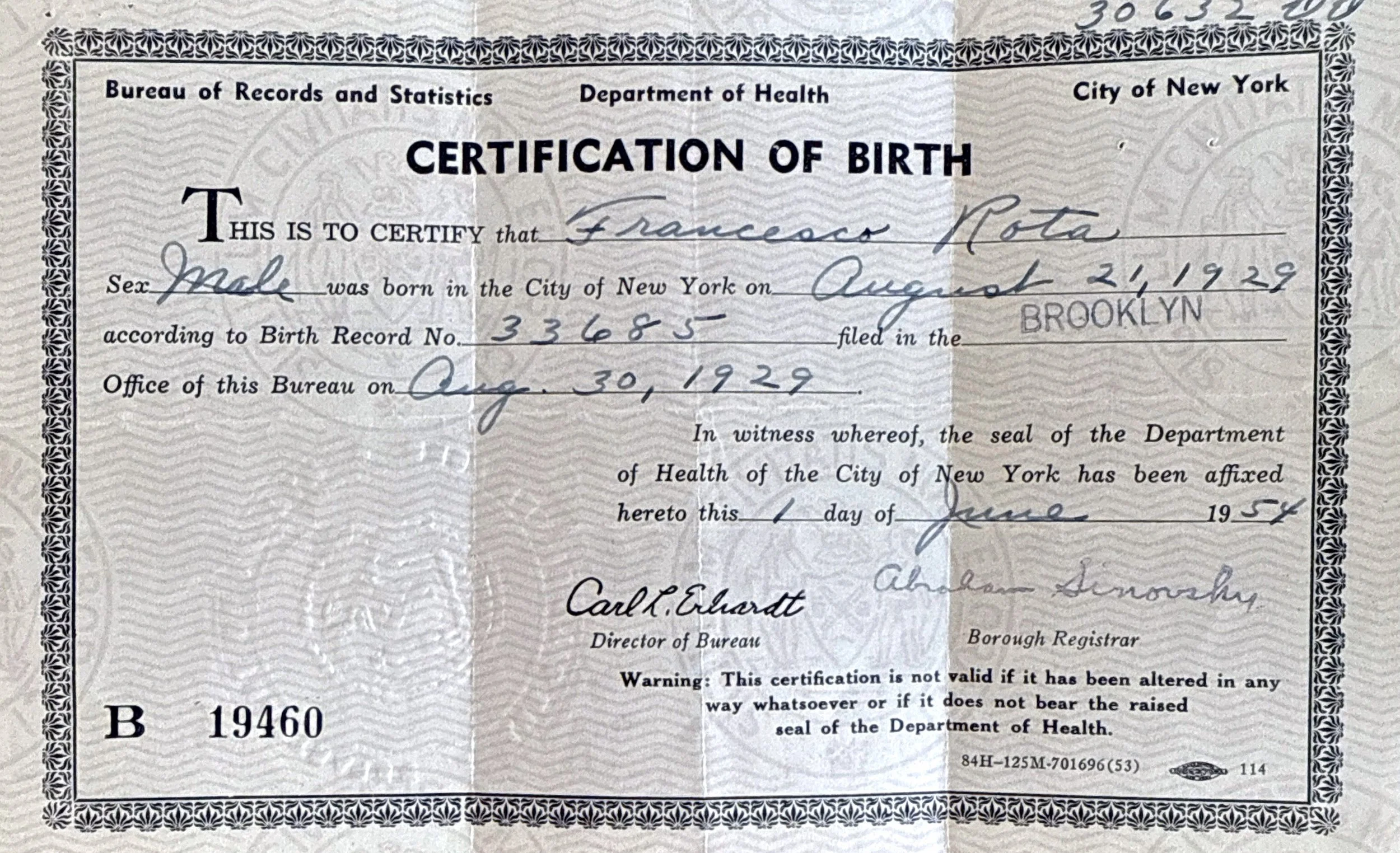
The 1930 Census showed the Rota family moved one block away to 11A Somers Street where they paid $33 a month in rent. That’s $528 in today’s dollars. We also learn that Luigi had adopted the name Louis and was working as a sweeper - he would work for the sanitation department until he retired.
This move would impact the new family in unpredictable (maybe) ways…as previously teetoling Luigi was away from the prying eyes of his wife’s family where he could show his true sadistic and abusive behavior, primarily focused on his young wife.
The move from the building shared with Carmela’s parents and grandparents became necessary when Nicolina returned to 2001 Fulton with her six children and husband, Joseph Barone, in tow. The Census states that Mr. Barone was unable to earn a living as he was disabled. I can only imagine the resentment that grew as she faced her new reality with no one to hear or see what was happening…and there was a lot happening behind those closed doors.
We’ll explore those not so hidden secrets, and how my grandmother navigated an eventual escape, on a later post - but first I’ll segue back to MEEE in Volume Three when we go to New Jersey! Frank builds a house and installs a ready made family on a defunct apple orchard just to toss it all for a deluxe apartment in the skies of Cherry Hill, New Jersey

Don’t forget to check out our other blogs, Lines on a Resume and Everyday Hospitality - You’re gonna love the History of Towels :)
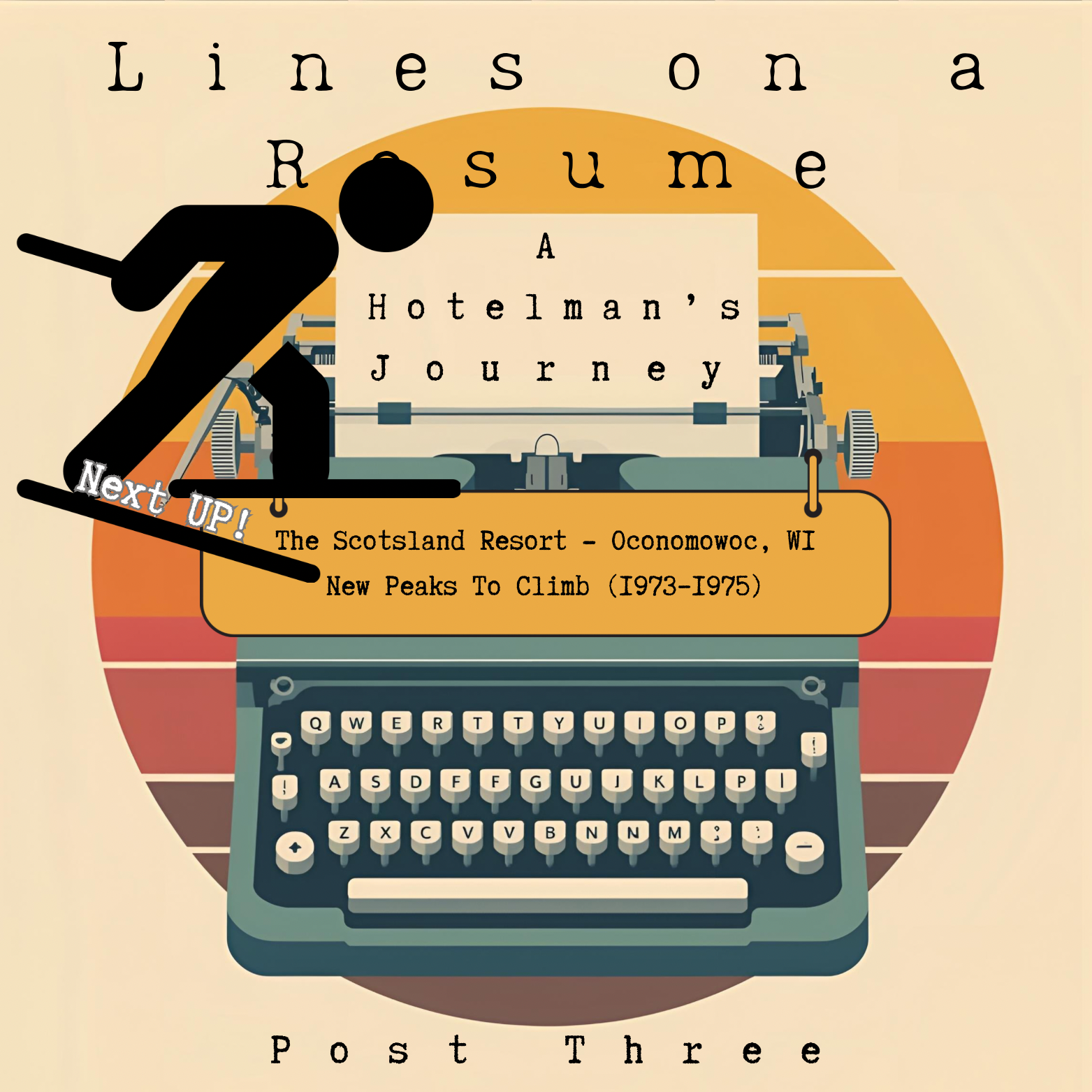
On the Lines on a Resume side, we’re looking forward to the trials and tribulations when Frank Rota takes a job in Wisconsin to build and manage a Ski, Golf, Tennis, Entertainment, Hotel & Condominium Resort.
Let’s Keep In Touch!
Jenn