The Hospitality of Towels
Why we judge hotels naked, how Turkey perfected terry, and the quiet power of a really good bathrobe
There are a lot of things we forgive in hospitality.
A slow elevator. A weird carpet. A lobby scent that’s trying a little too hard.
But towels? Towels are where guests become emotionally honest.
Because towels meet us at our most vulnerable, fresh from the shower, makeup half-removed, hair dripping, defenses down. And in that moment, the towel tells us exactly what kind of host you are.
A Brief History of Drying Off
(Or: towels were never just towels)
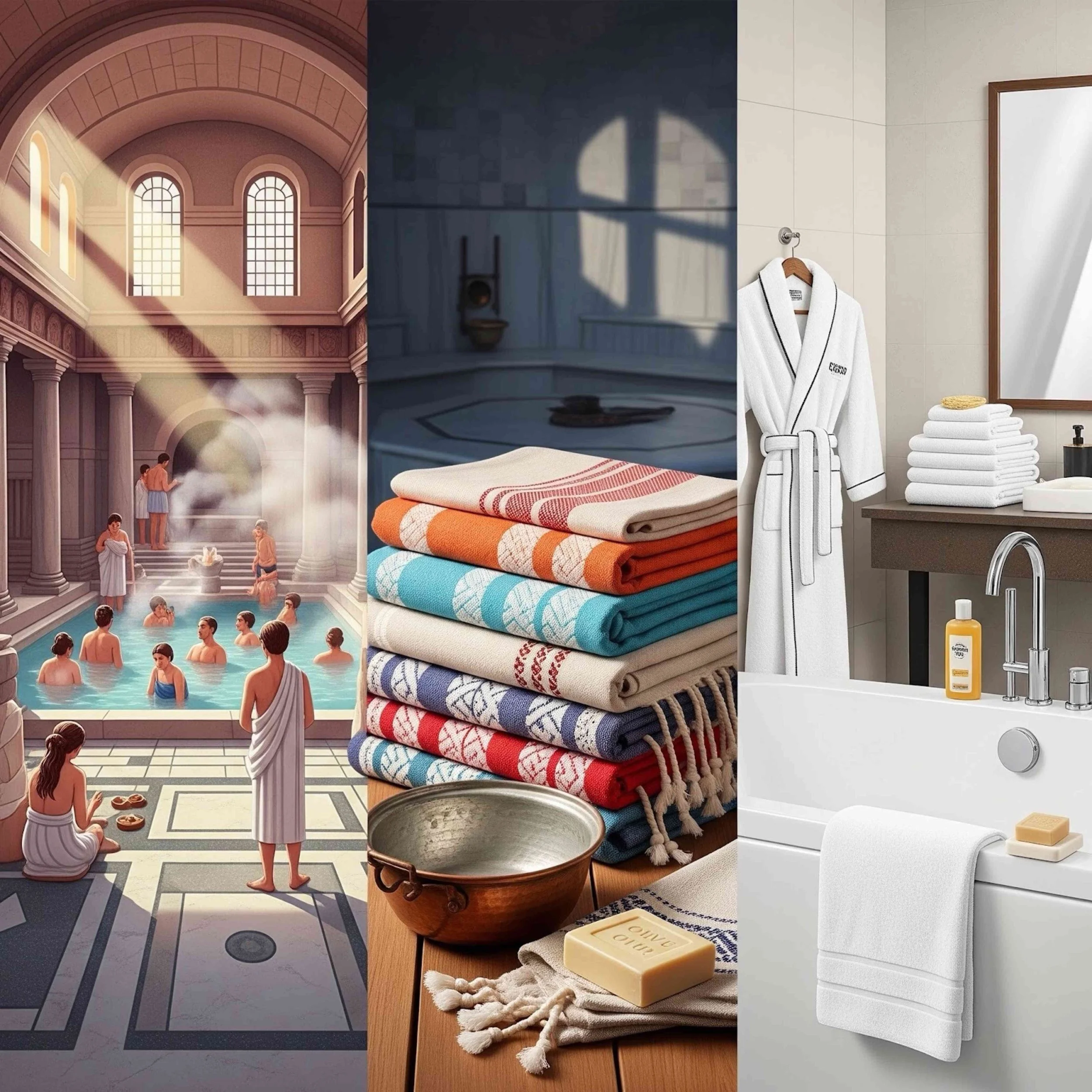
Long before terry cloth became a hotel standard, bathing itself was ceremonial. Roman bathhouses were not about hygiene, they were about community, ritual, and dignity.
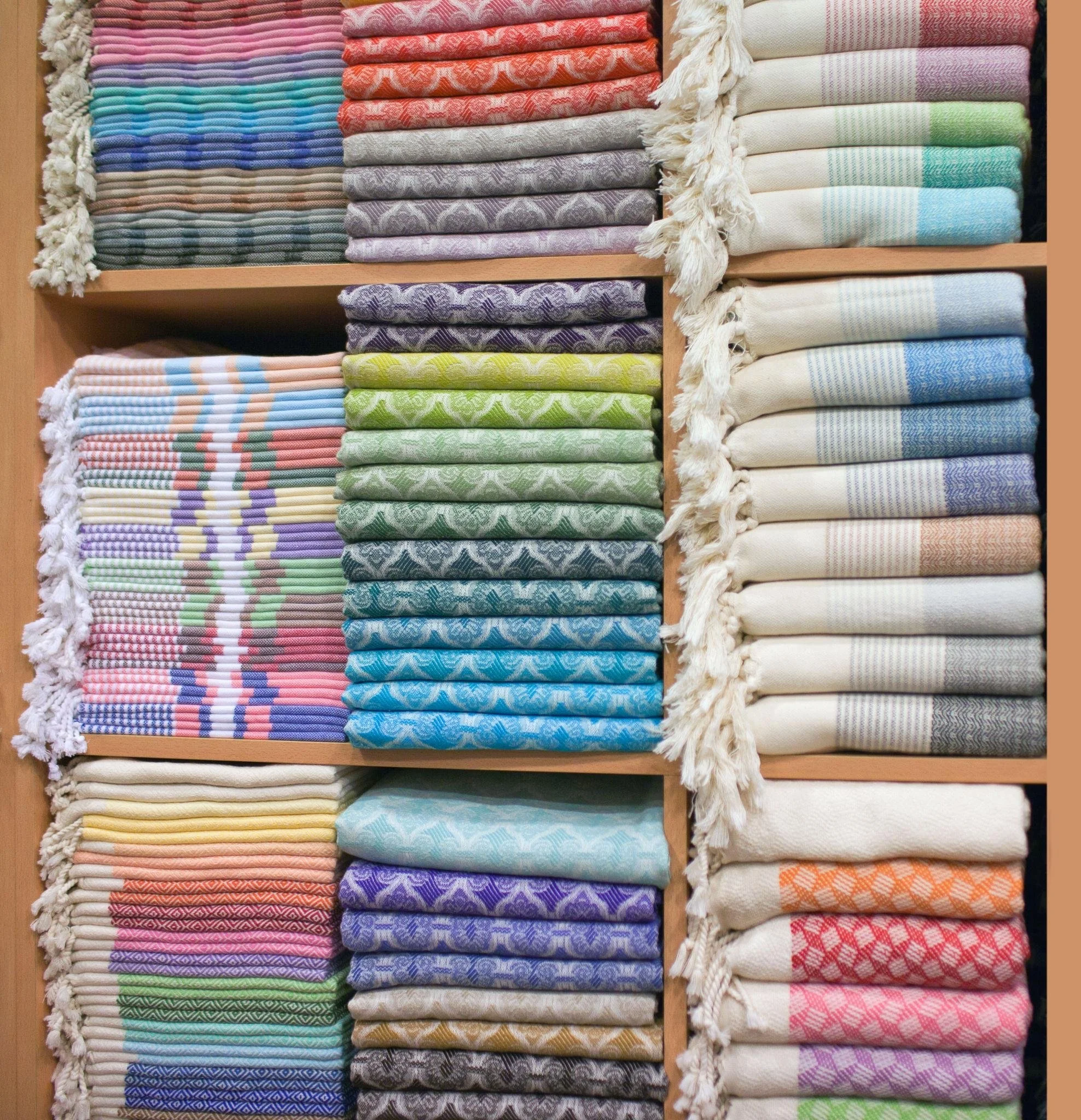
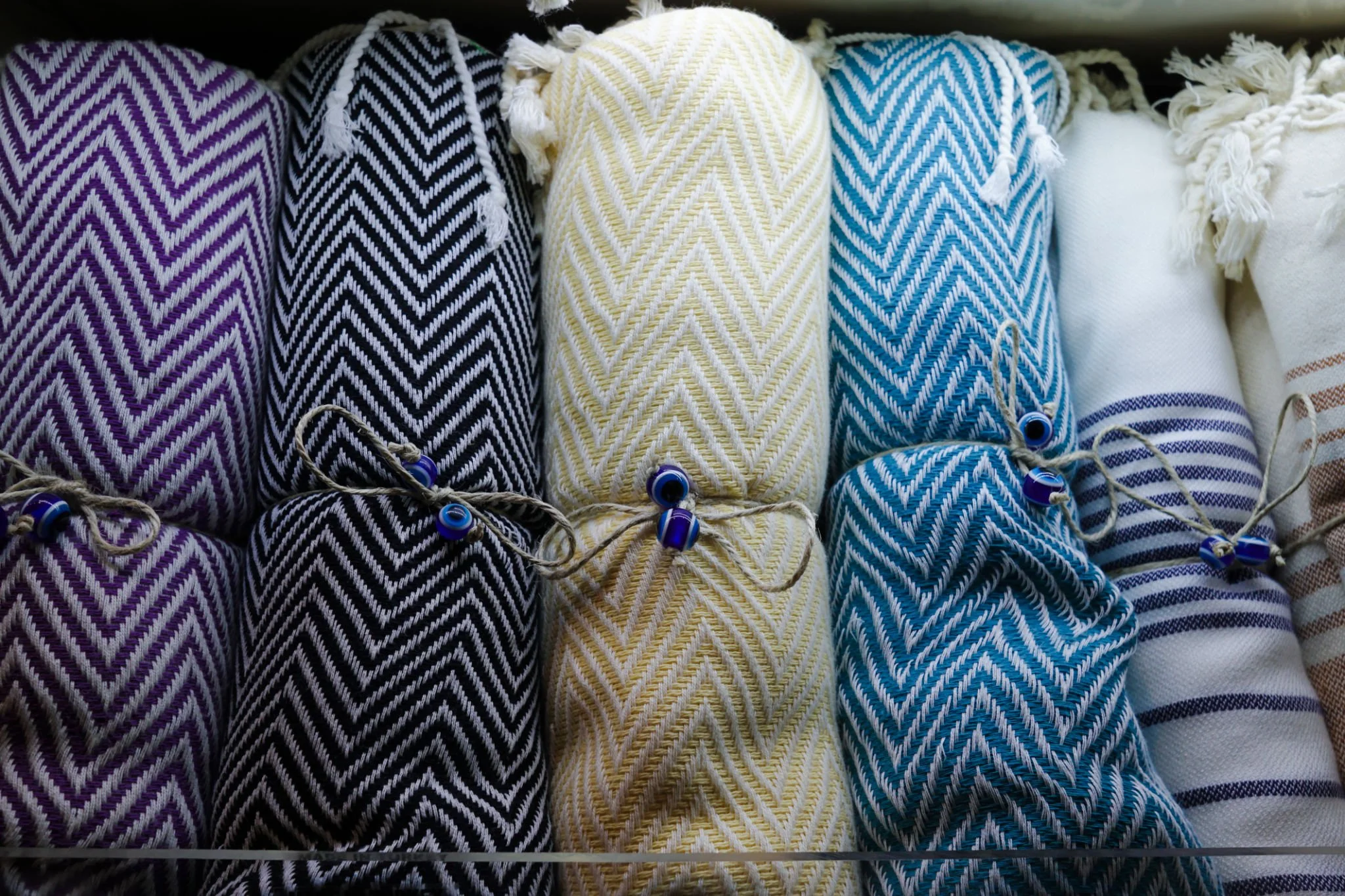
In the Ottoman Empire, the hammam elevated bathing into an art form, introducing woven cotton towels…what we now know as peshtemals…designed to dry efficiently and respectfully.
Towels started as textiles of care, not convenience.
Modern terry cloth, with its looped cotton construction, arrived alongside industrial looms in the 19th century. Suddenly towels became thicker, softer, and more absorbent…and hospitality took notice. Hotels realized something important very quickly…
If you want a guest to feel cared for, start with what touches their skin.
Guests may not know thread count or GSM, but they know how a towel makes them feel.
Hotels signal quality through:
Weight: heavier towels = seriousness of intent
Size: bath sheets vs. something closer to a decorative napkin
Hand feel: plush without being useless
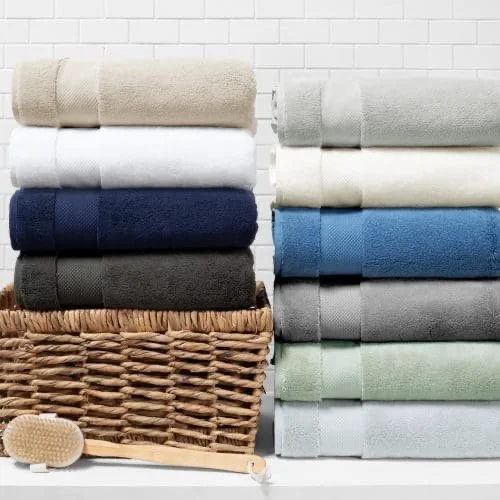
Consistency: matching sets, no thinning edges, no mystery towels
Bad towels whisper: “We saved money here.”
Good towels say: “You’re safe. Relax.”

How Hotels Teach Us What to Buy
(The towel-to-closet pipeline is real)
Most people don’t upgrade their home towels because of an ad. They do it because they experience what they want to feel.
Hotels are quiet educators. They show us:
Bigger towels exist
Softer towels are possible
You don’t have to wrestle with lint for three years
Suddenly you’re standing in your own bathroom thinking, “Why do my towels feel like penance?”
From Westin’s Heavenly Bath to boutique inns selling robes at checkout, hospitality has trained us to want better, then sent us home to notice the difference.

When Towels Go Very Wrong
(A brief moment of levity)
Hospitality has made some… choices over the years.
Ultra-white towels that showcased every mascara mistake
“Eco” towels that felt like exfoliation you did not consent to
Microfiber bathrobes (an error history will not forgive)
One-size-fits-no-one robes that barely cover ambition
Towels so thin they function more as suggestions
There is no greater betrayal than stepping out of a hot shower and realizing your towel has the absorbency of a cocktail napkin.
Where the World’s Best Towels Come From
(And why geography still matters)
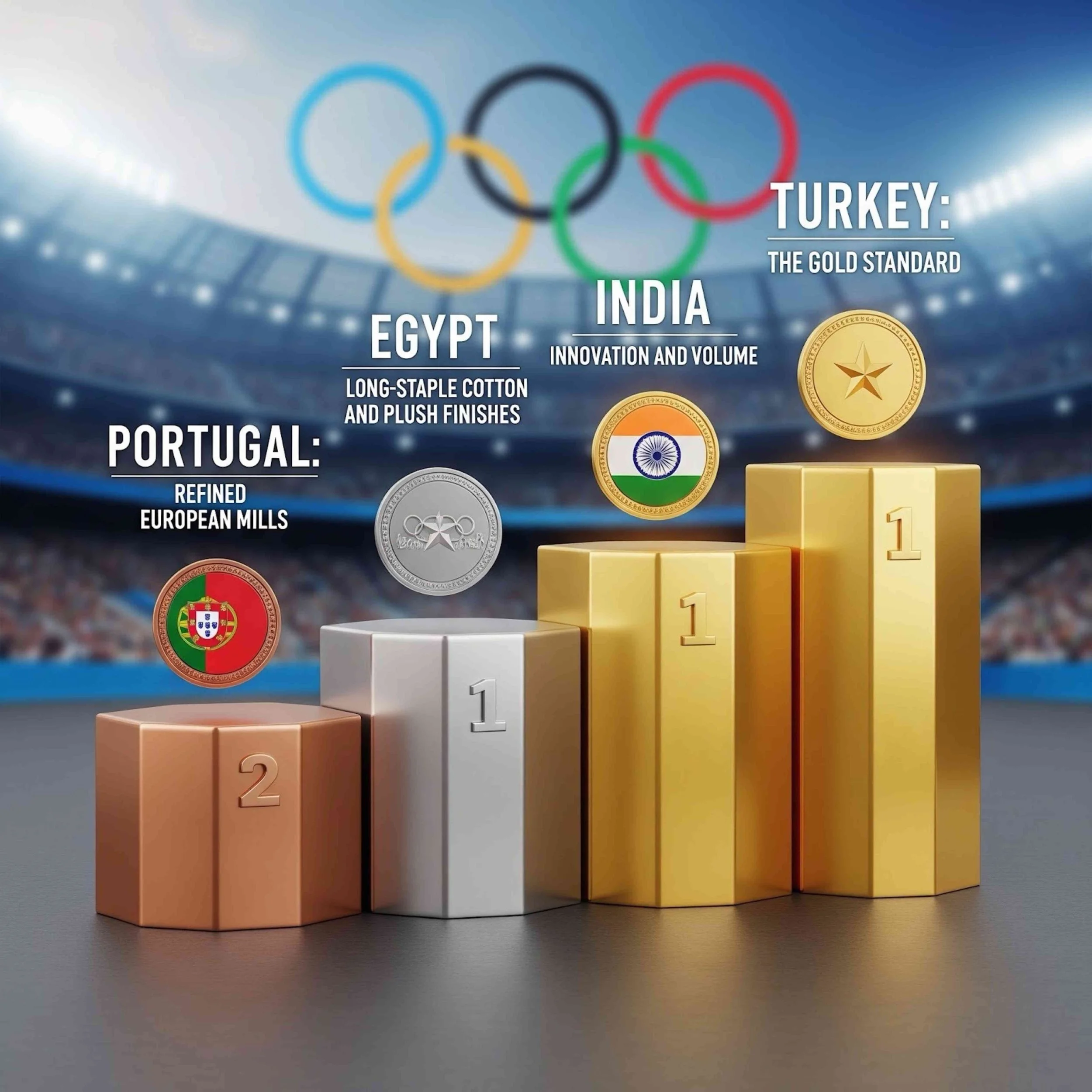
While many countries produce towels at scale, a few have built reputations on craft:
Portugal - refined European mills
Egypt - long-staple cotton and plush finishes
India - innovation and volume
Turkey - the gold standard
Turkey’s dominance isn’t trendy, it is inherited
For centuries, Turkish weavers have perfected the balance between softness and absorbency. The climate supports long-staple cotton. The techniques are generational. And bathing culture itself is deeply embedded in daily life.
Turkish towels don’t shout luxury. They understand it.
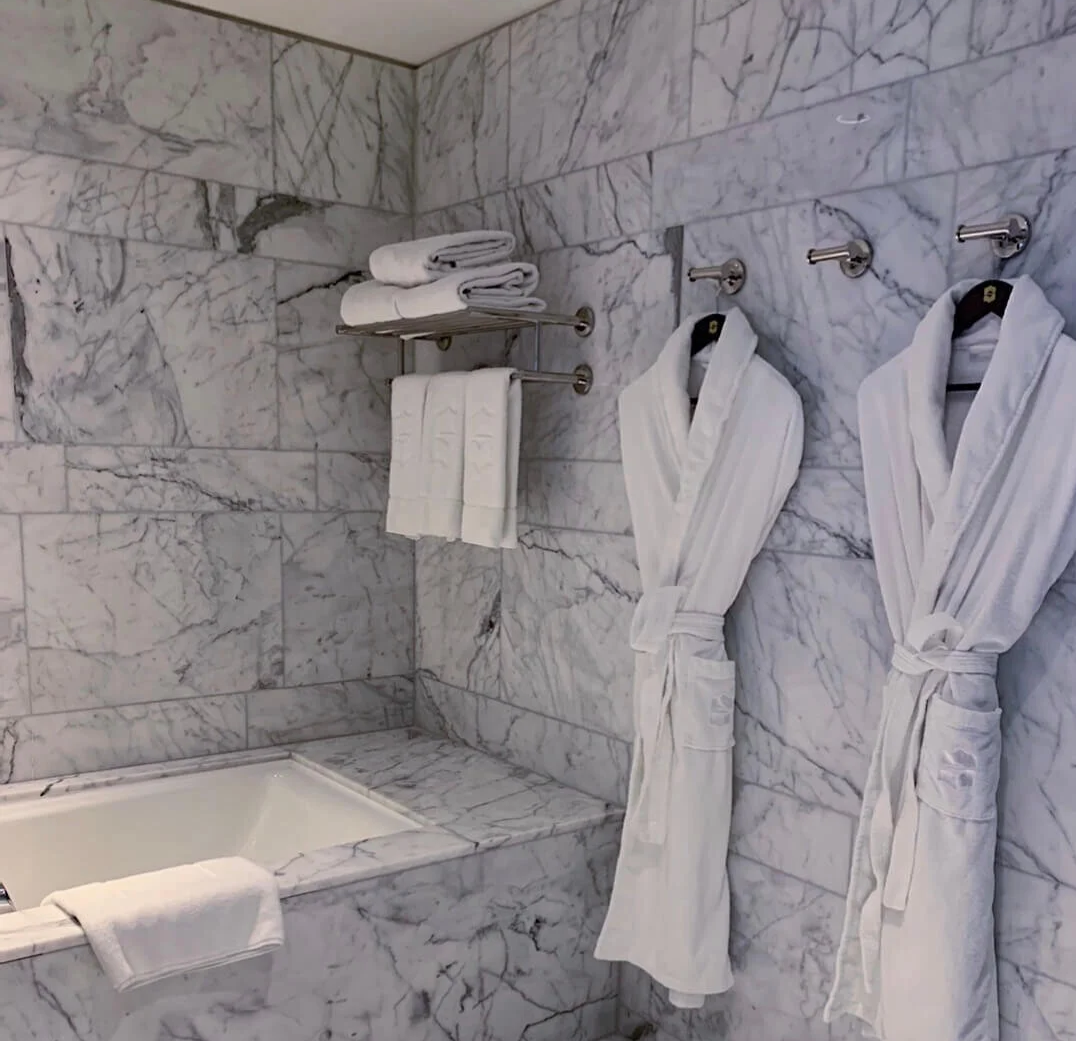
Robes are hospitality bravado.
Bathrobes followed a similar arc. Inspired by kimonos, spa culture, and European leisurewear, robes weren’t necessary, but that was precisely the point.
A robe says, “You are allowed to linger.”
A hotel that offers robes isn’t worried you will steal one.
They are confident enough to invite you to imagine yourself at home, just not your home. A better one.
Introducing Barton Brass and The Turkish Towel Company
From History to Hands-On Hospitality
Which brings us from ancient bathhouses to modern bathrooms—and to someone who didn’t just admire Turkish towels but built a business around them.

Barton Brass, owner of The Turkish Towel Company, a U.S.-based importer and retailer specializing in traditionally woven Turkish terry and peshtemals.
The name may be straightforward, but the sourcing is anything but…
Barton Brass founded The Turkish Towel Company with a clear point of view: quality isn’t accidental. Drawn to Turkey’s textile heritage, Barton works directly with mills and production partners to bring authentic terry and peshtemal towels to the U.S. market: balancing tradition, durability, and the very modern realities of importing, tariffs, and consumer expectations.
In many ways, his work sits at the intersection of hospitality and home—helping people recreate the towel experience they first fell in love with as guests.
Why Towels Matter More Than We Admit
Hospitality doesn’t always announce itself. Sometimes it waits quietly on a hook. Sometimes it’s heavy, soft, and exactly where you need it.
A good towel doesn’t just dry you off—it reassures you.
And in hospitality, reassurance is everything.
Following our exploration of towels as a signal of hospitality, I sat down with Barton Brass, to talk sourcing, quality, tariffs, and why the towel you fall in love with as a guest often becomes the one you want at home.
Origin & Philosophy
What was the moment you realized towels could be a business, not just a product?
I’ve been selling towels since 1980, so there wasn’t one single “aha” moment. But everything crystallized when I began working in Turkey and eventually discovered Denizli — the terry towel capital of the world.
What struck me wasn’t just scale, but depth: generations of craftsmanship, specialized mills, and a deep understanding of how towels are engineered, not just produced. Towels weren’t an add-on there; they were the core industry. That’s when I realized this wasn’t just a product category; it was a serious, sustainable business built on expertise and heritage.
Why Turkey? What made it the obvious (or not-so-obvious) choice?
When I arrived in Turkey, I saw that manufacturers were already producing for Germany and Switzerland. These markets have some of the strictest quality standards in the world. If you can make towels that satisfy those buyers, quality is never the question. The challenge is simply adapting to different retail cultures, like the U.S. Turkey already had the skills, the infrastructure, and the discipline. That made it the right choice.
What do most Americans misunderstand about Turkish towels?
Most Americans think Turkish towels are flat, like the lightweight peshtemals. Ironically, almost every terry towel in an American home is Turkish in origin.
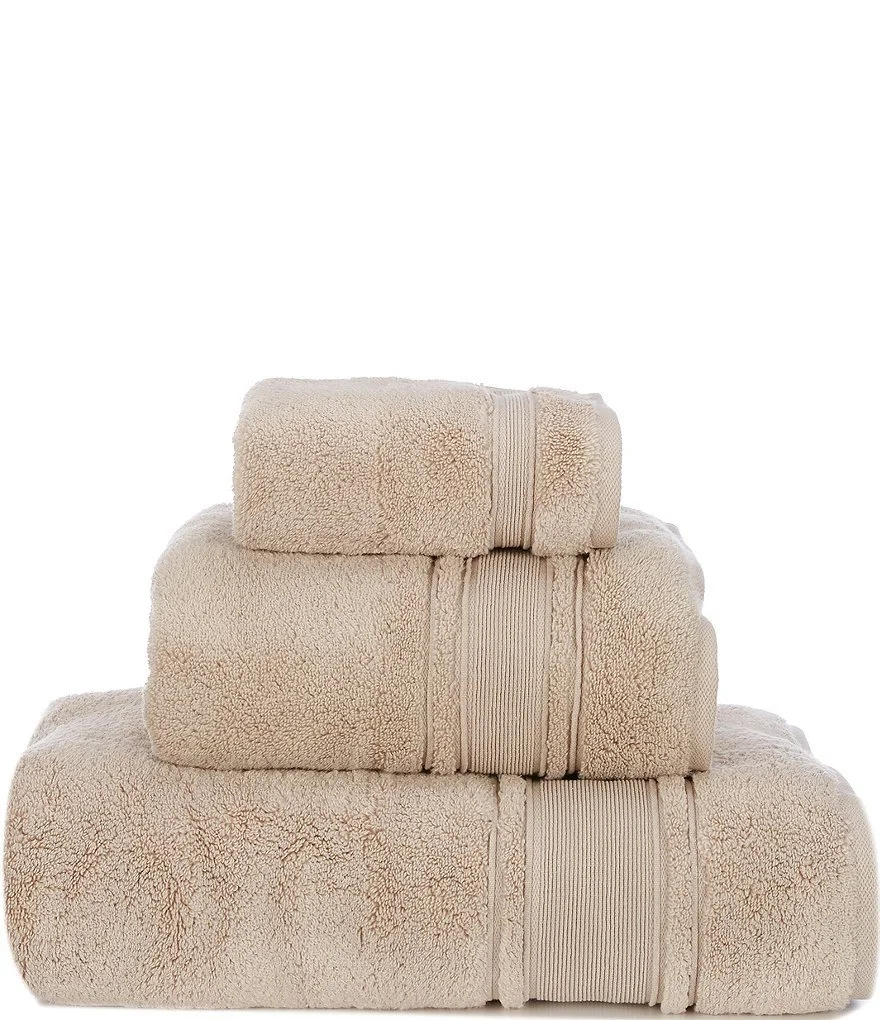
The Turks were the first to put loops into towels. That innovation is what made towels truly absorbent and turned them into what we recognize today. Turkish towels didn’t become world-famous because they were flat; they became famous because of looped terry construction.
Sourcing & Craft
How much of towel quality comes from cotton vs. weaving technique?
They’re two completely different things. Absorbency and softness come from the cotton itself. But durability, structure, and how the towel wears over time, that comes from the weaving. You can have great cotton ruined by poor weaving, but you can’t fake good construction.
What should consumers look for if they want to identify a truly high-quality towel?
Look closely at the details: Clean, even stitching, proper finishing, straight borders, and especially the dobby, that’s the flat woven band between the terry loopsIf the dobby is crooked or poorly aligned, it tells you the towel wasn’t finished carefully. High-quality towels look precise because they are.
How involved are you personally with mills and production partners?
Completely involved: daily, sometimes hourly. We don’t just place orders. We do the development. We innovate constantly. True partnerships mean you’re involved in decisions at every stage, not just signing off at the end.
Cost, Importing & Tariffs
How have tariffs impacted your costs over the past few years - ballpark percentage increases?
Our overall duty increased from about 10% to 25%. We absorbed part of that, but inevitably some had to be passed on. There’s no way around it, those increases are real.
What’s the hardest part of importing textiles that consumers never see?
Coordinating production. Loom time is expensive. Mills plan six to eight weeks ahead, and an idle loom is costing money every day. Managing weaving schedules, forecasting demand, and keeping production flowing is a science... and it’s completely invisible to consumers.
How do you balance rising costs without compromising quality?
We have never thought about compromising quality. It’s never been on the table.
Hospitality Connection
How closely does your product development align with hotel and spa standards?
Very closely, and we test for it. We once sent towels to a cruiseline company that launders using chemically treated seawater. Our towels withstood 60 industrial wash cycles. Most others don’t survive 10. That tells you everything you need to know. We also manufacture for Germany and Switzerland, where quality standards are uncompromising. If you meet those benchmarks, hotel and spa requirements are never an issue.
Do hotels influence consumer demand more than social media trends?
Honestly, the hospitality linen industry is stuck. Towels and sheets are still treated like they were decades ago: white, uniform, unchanging. That’s a mistake, because towels are one of the few amenities guests physically experience. They touch them. They feel them. Yet innovation is rare. Consumer demand today is shaped more by retail expectations than by hotels leading the way.
Product & Future
What’s your personal favorite product, and why?
Our Resort towel. It’s thick, plush, and unapologetically luxurious. I like a towel that feels substantial.
Are there materials or designs you experimented with that didn’t work?
Yes, bamboo. It was too absorbent and took too long to dry, which makes it impractical for hotels and high-use environments.
What new products or categories are you excited about right now?
Our Exotic Robe Collection. It’s revolutionary because it bridges hospitality and retail. The future isn’t just supplying products for rooms. It’s creating items guests want to buy and take home.
AND OUR LAST QUESTION»
Where do you see the towel and home textile market heading in the next five years?
Upmarket. Heavier, thicker, more premium. I don’t see minimalism taking over this category. As room prices rise, consumers expect substance, towels that feel worth it. That trend has been consistent, and I don’t see it reversing.
Thanks to Barton Brass for taking the time to share his knowledge and love for all things Terry, and thanks to you for stopping by.
UPDATE
〰️
SPECIAL RETAIL OFFER
〰️
TALKING TOWELS
〰️
UPDATE 〰️ SPECIAL RETAIL OFFER 〰️ TALKING TOWELS 〰️
!!! UPDATE FROM HOSPITALITY INHERITED & SPECIAL OFFER FROM THE TURKISH TOWEL COMPANY !!!
Over time, I’ve come to realize that the things we recommend say just as much about us as the things we choose to write about.
Throughout my career, I’ve sourced towels for the hotels I’ve run—and, more recently, for my own home. It’s one of those decisions that seems simple… until you realize how much it shapes the experience.
Which is why, as I’ve been building Hospitality Inherited, I’ve also begun formalizing what I stand behind.
This is the beginning of the Hospitality Inherited Collective—a curated group of businesses that reflect the quality, consistency, and care behind Everyday Hospitality.
Not just good products.
But the right mindset.
The right standards.
The right details.
The Turkish Towel Company is the first to be included.
Not because they asked, but because I’ve used their products, seen how they perform in real environments, and trust what they deliver over time.
As part of that relationship, I’ve also agreed to support their work more directly—helping introduce their towels to others who care about these details as much as I do.
If you’re in hospitality and thinking more broadly about your towel program—or simply rethinking what “good” should feel like—I’m always happy to talk.
Because in the end, hospitality isn’t built on grand gestures.
It’s built on the things people touch.

When something is just too good, you must tell people about it. After years of sourcing these exemplary products, I use Turkish Towels in my own home.
If you’re curious to experience the difference for yourself, The Turkish Towel Company extended a 20% discount on all NON-SALE RETAIL ITEMS available on their website.
This discount is for the retail site only.