The Hospitality of Accessible Luxury

The Space Between Life and Restoration
There was a time when luxury required time.
It asked you to step away from your day, to linger, to allow the hours to stretch beyond what was practical. The experience began long before the treatment itself and extended well beyond it.
That version of the spa still exists.
But it is no longer the only one.
If my experience at Hand & Stone in Poughkeepsie is any indication, the modern spa is being quietly redefined.
Not replaced, but reshaped into something that fits within the rhythm of everyday life. Something that allows for care without requiring complete escape. Something that delivers many of the same signals of luxury, but in a way that feels accessible, repeatable, and sustainable.
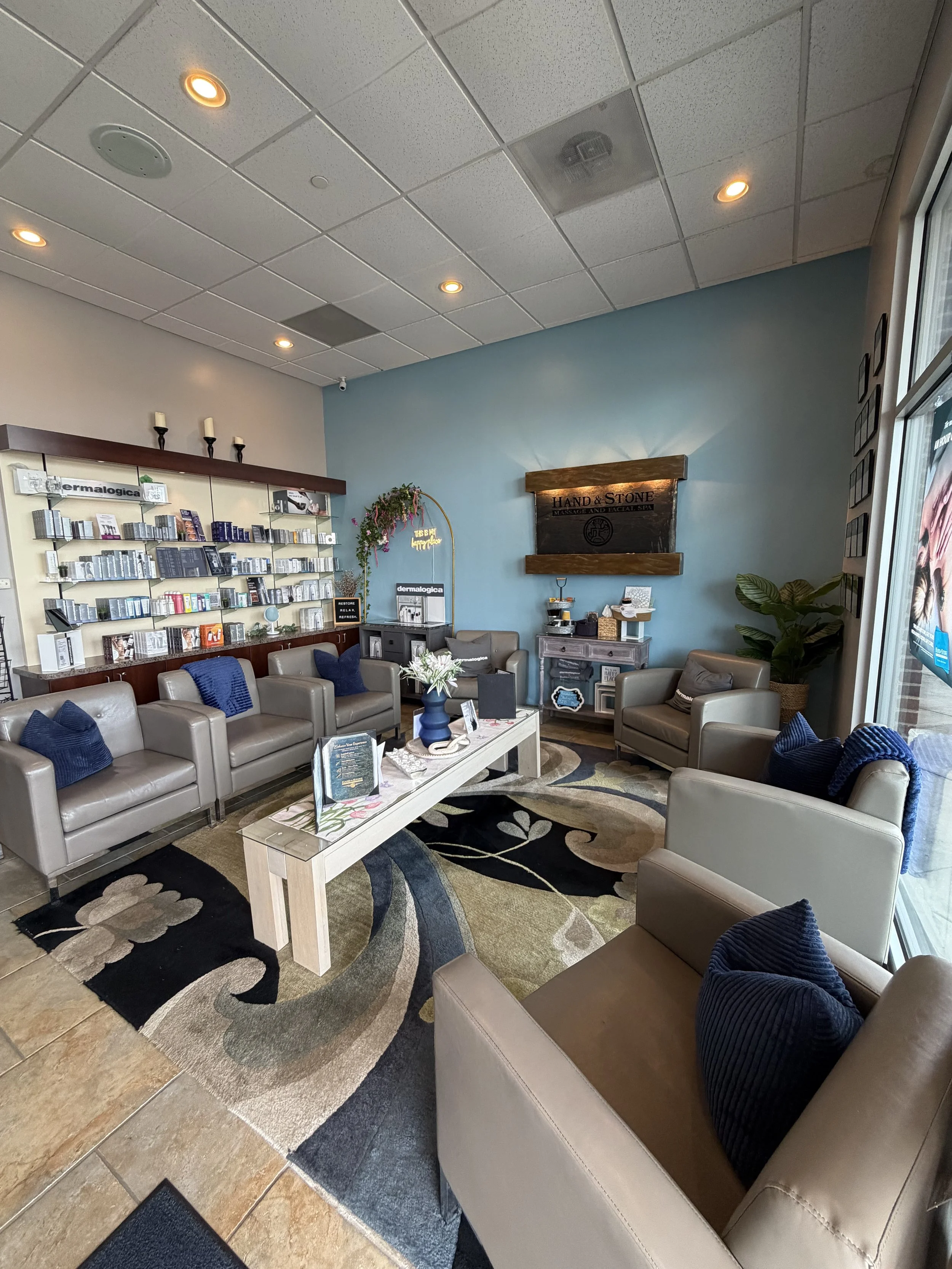
The lobby at Hand & Stone in Poughkeepsie balances movement and calm, creating a welcoming transition between everyday life and restoration.
If my experience at Hand & Stone in Poughkeepsie is any indication, the modern spa is being quietly redefined.
Not replaced, but reshaped into something that fits within the rhythm of everyday life. Something that allows for care without requiring complete escape. Something that delivers many of the same signals of luxury, but in a way that feels accessible, repeatable, and sustainable. can make all the difference.
Over time, the model has shifted…not disappeared, but evolved.
What was once an immersive, destination-based experience has been restructured into something more flexible and more integrated. Massage, skincare, and body treatments are no longer reserved for occasional indulgence. They have become something you can return to regularly, on your own schedule.
Brands like Hand & Stone, along with others built around membership-based models, have helped shape that expectation. What was once a destination has become a rhythm.
That shift did not happen overnight.
Over the last two decades, the wellness industry has steadily moved away from the traditional resort-spa model and toward specialized, service-focused concepts built around accessibility and frequency. Businesses like Hand & Stone, Massage Envy, and European Wax Center helped normalize the idea that massage, skincare, and wellness treatments could exist within the rhythm of everyday life rather than outside of it.
What was once associated primarily with luxury hotels and destination retreats became modular, individual services offered in approachable spaces, often supported by memberships and recurring visits. The experience became shorter, more structured, and easier to integrate into a normal schedule.
And yet, even as the format evolved, the expectation of care remained.
Perhaps even more so.
And in that transition, an important question emerges:
If you remove the time, the lingering, and the sense of escape…what happens to the hospitality?
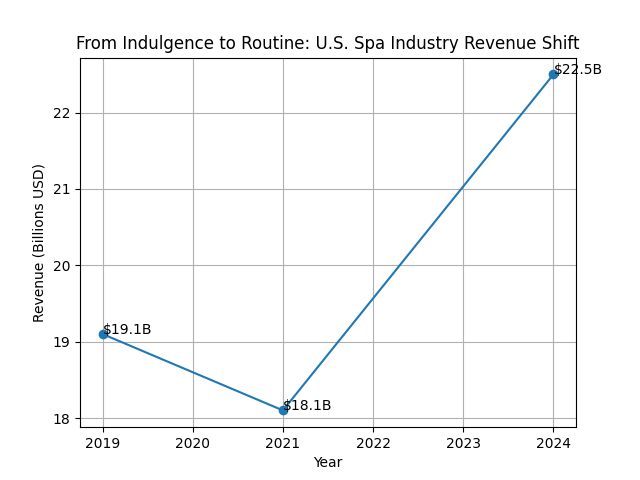
The answer, in part, is economic.
The spa industry didn’t just recover post-COVID…it restructured around consistency, accessibility, and repeat visits.
The U.S. spa industry reached $19.1 billion in revenue in 2019, declined during the pandemic, and has since rebounded to more than $22 billion, surpassing pre-COVID levels and continuing to grow.
But the most meaningful shift is not just recovery. It is where that growth is happening.
It is increasingly concentrated in models that are easier to access, easier to schedule, and easier to sustain. Revenue is rising alongside a change in behavior, one that favors repeat visits over occasional indulgence.
What people once saved for occasionally, they are now building into their lives consistently.
At this location, nearly 80% of guests are members, many returning monthly.
Over time, those visits begin to build on one another, not just in familiarity, but in results.
Clients track progress.
They develop routines.
They invest not only in services, but in the products that support them between visits.
As the leading Dermalogica provider in the area, the experience extends beyond the treatment room. It becomes part of a broader system of care—one that continues at home and evolves with each visit.
This is where the model moves beyond “treat” and into something more essential.
Maintenance.
Ritual.
Care.
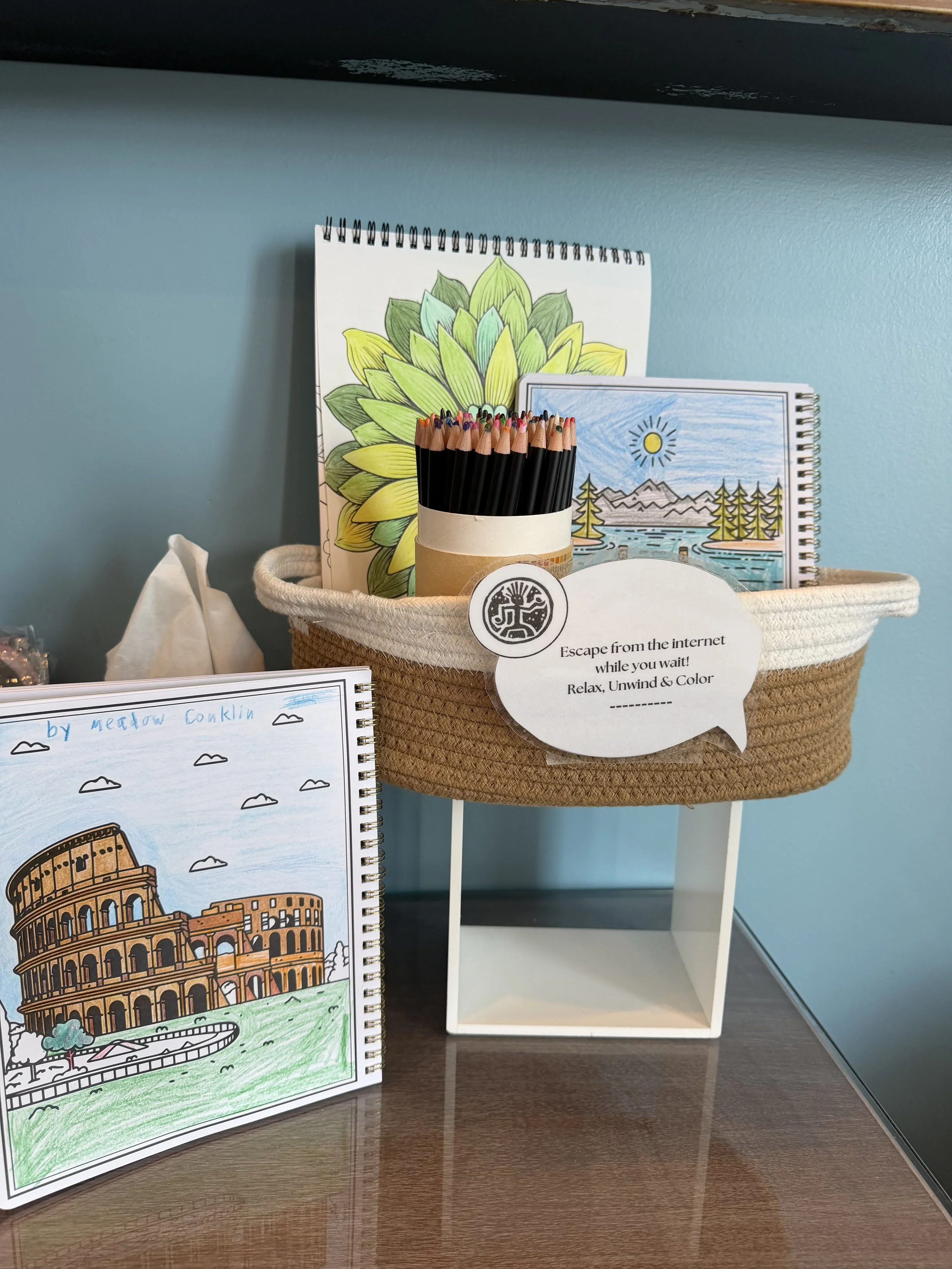
Small details—tea, coloring pages, products, and quiet rituals—transform the experience from occasional indulgence into ongoing care.
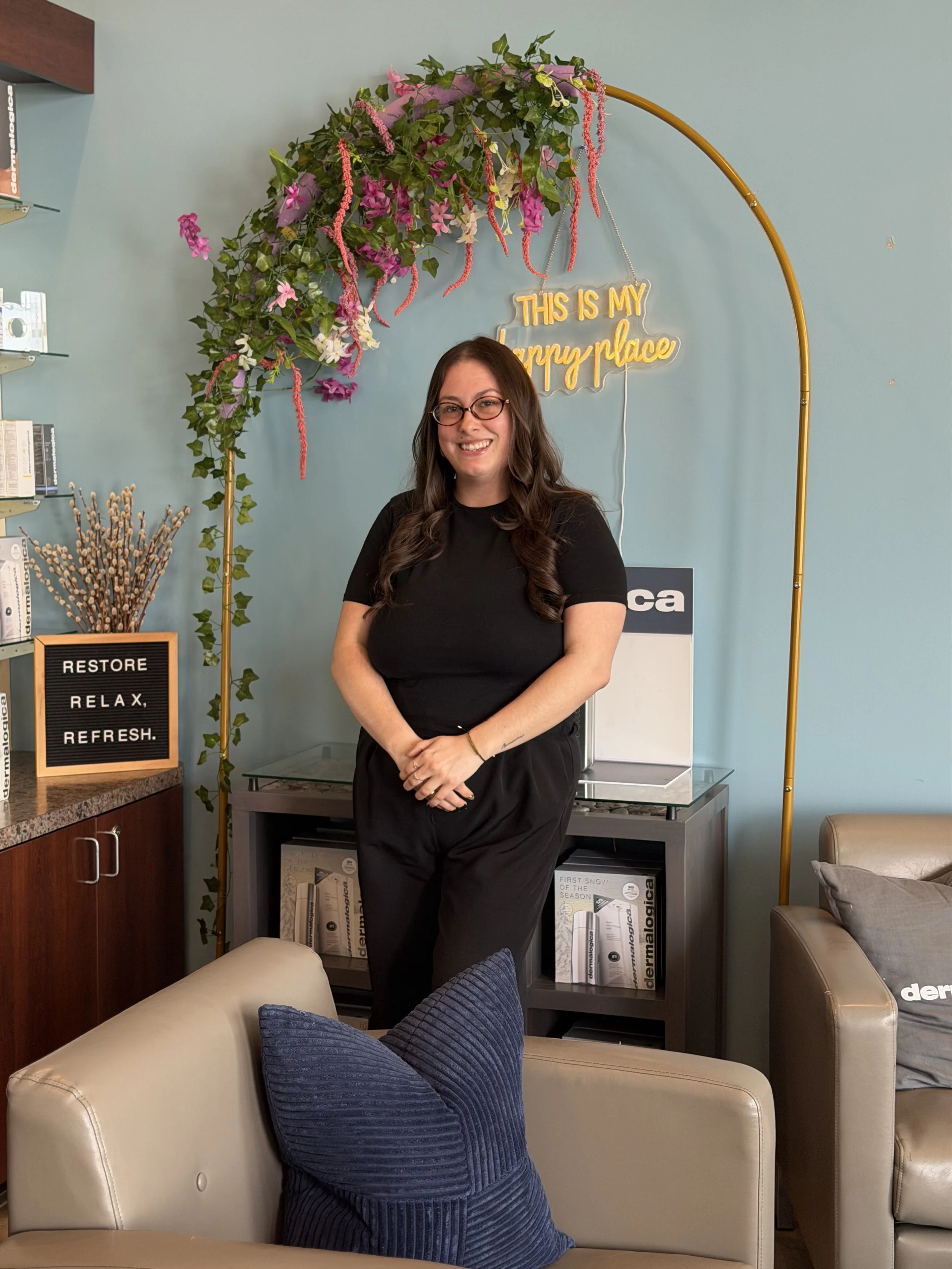
For many, it is the familiarity, the recognition at welcome, and the dedication to service.
Alyssa Winterberg, Manager of Customer Experience and Member Relations, has been part of this location for over a decade, with the past four years in her current role. Her background is not in spa operations, but in restaurant service—a detail that quietly defines the experience.
Because what is happening here is not just operational.
It is hospitality.
Alyssa doesn’t hire for spa experience first.
She hires for instinct.
The ability to read a room.
To act quickly.
To anticipate a need before it is spoken.
Many of her front-of-house team come from food and beverage backgrounds, where the fundamentals are the same: greet, observe, adjust, and always be aware of the space around you.
“Standards aren’t enough,” she says. “You have to raise them.”
That mindset shows up in the details—like repeating a guest’s name, reinforcing recognition, and creating a sense of presence from the moment someone walks through the door.
“It starts with me.” Managers set the tone. They break habits, offer feedback, and model the level of service they expect.
“Standards aren’t enough. You have to raise them.” — Alyssa Winterberg
In Poughkeepsie, at Hand & Stone, that philosophy plays out in a space that is almost always in motion.
Nine treatment rooms, often fully booked. Eighteen clients arriving at the top of the hour. A steady flow of transitions, check-ins, and departures.
And yet, it rarely feels chaotic.
“You can tell in the first ten seconds,” Alyssa notes.
Not just who the guest is, but what they need.
The experience begins with acknowledgment.
A name.
A moment of recognition.
A tone that feels personal, even in a busy room.
From there, everything builds.
The familiar elements of a traditional spa are still present—warmed tables, calming scents, flavored water offered without ceremony. A guest quietly occupied with a coloring page. Small gestures that signal care.
But they exist within a structure that has been carefully compressed.
There is no lingering.
But you don’t feel rushed.
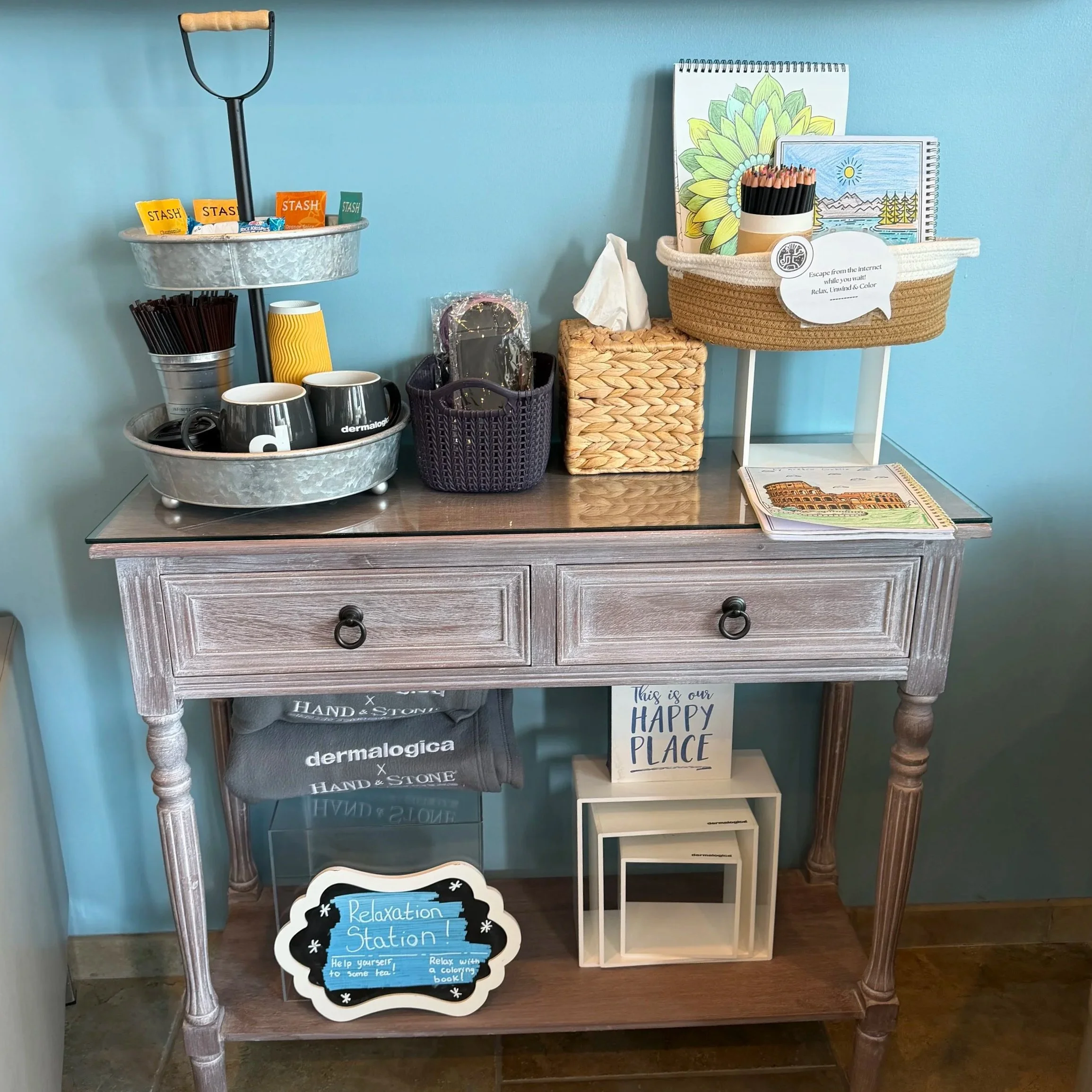
“There is no lingering. But you don’t feel rushed.”
And in that compressed experience, the lobby becomes something more than a waiting area.
It becomes the bridge between life and restoration.
Guests arrive early, not because they have to, but because they want to. Some sit for a few moments, drawn in by the sound of the water wall or simply the shift in atmosphere.
That choice to linger, even when you don’t have to, is perhaps the clearest signal of all.
The range of services itself reflects the evolution of the industry: massage, facials, hot stone treatments, targeted skincare, hair removal, and personalized wellness services designed to fit varying levels of time, need, and routine. What once required an entire spa day can now be integrated into a lunch break, an afternoon reset, or a monthly ritual.
And while the model is more accessible, the experience still leans heavily on sensory comfort.
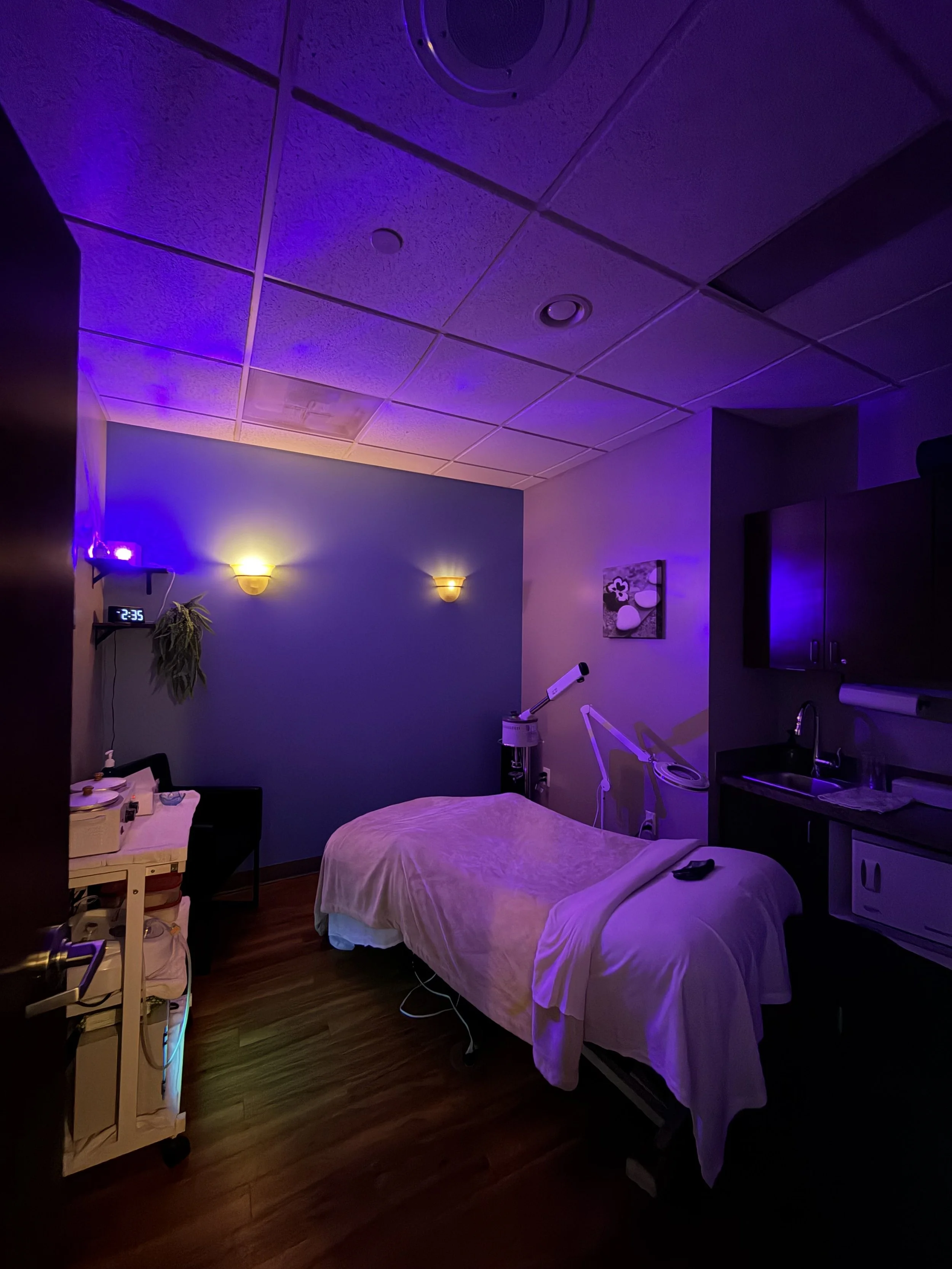
Comfort and Consideration Sets the Tone.
The treatment rooms are intentionally calming…soft lighting, warmed beds, layered towels and robes, quiet music, subtle scents, and small details designed to lower the nervous system almost immediately upon entry. Even features like silent treatments and discreet panic buttons reinforce something deeper than convenience: a sense of psychological safety and control.
Plants, warm tones, and softened lighting continue the atmosphere established in the lobby, creating continuity between the active front of house and the quieter spaces beyond it. Even if your eyes are closed for most of the experience, the environment is still working on you.
That may be part of the appeal.
The experience is efficient, but it never feels clinical.
There are, of course, other places offering similar services.
Some are less expensive. Others position themselves as more luxurious.
But the difference is not always in what is offered.
It is in how it is delivered.
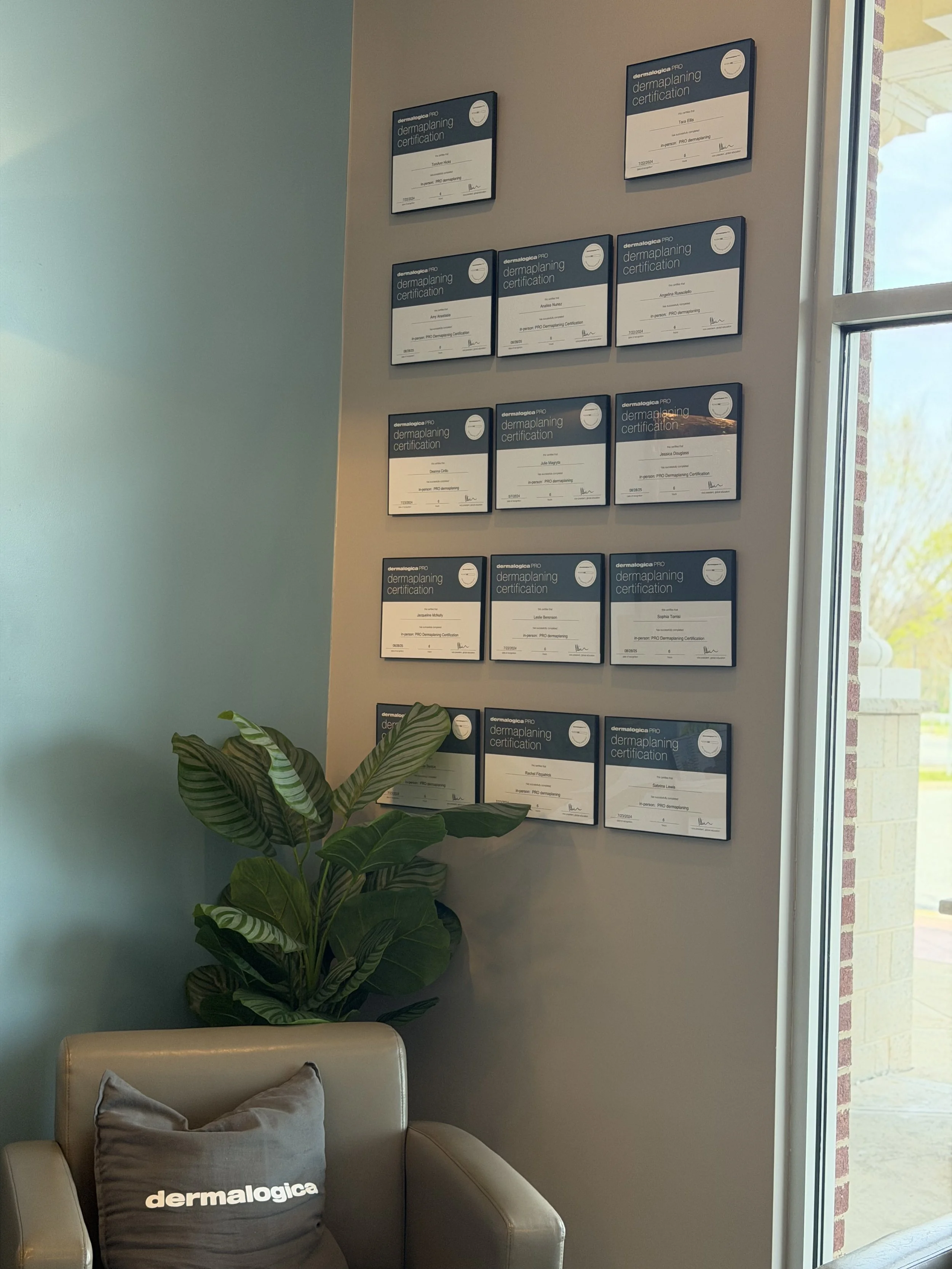
Professional standards, familiar faces, and thoughtful details reinforce trust and consistency.
Overbooking, backed-up waiting areas, and the subtle sense of being processed rather than received can quickly erode the experience, regardless of price point.
What distinguishes this location is not exclusivity.
It is consistency.
The steadiness of the welcome.
The reliability of the experience.
The sense that, even in a full room, you have not been overlooked.
That consistency is supported by a model designed for both guests and practitioners.
Therapists and estheticians are W-2 employees, with structured schedules and reduced administrative burden—allowing them to focus on care, not logistics.
It is a system that supports sustainability on both sides of the experience.
And then there is the community.
This location is independently owned and deeply embedded in the area—through local partnerships, donations, events, and ongoing engagement.
“Community is the basis of success,” Alyssa says.
It is not just a place you visit.
It is a place you recognize.
If there is a single idea that defines this shift, it may be this:
Luxury no longer requires excess.
It requires intention.
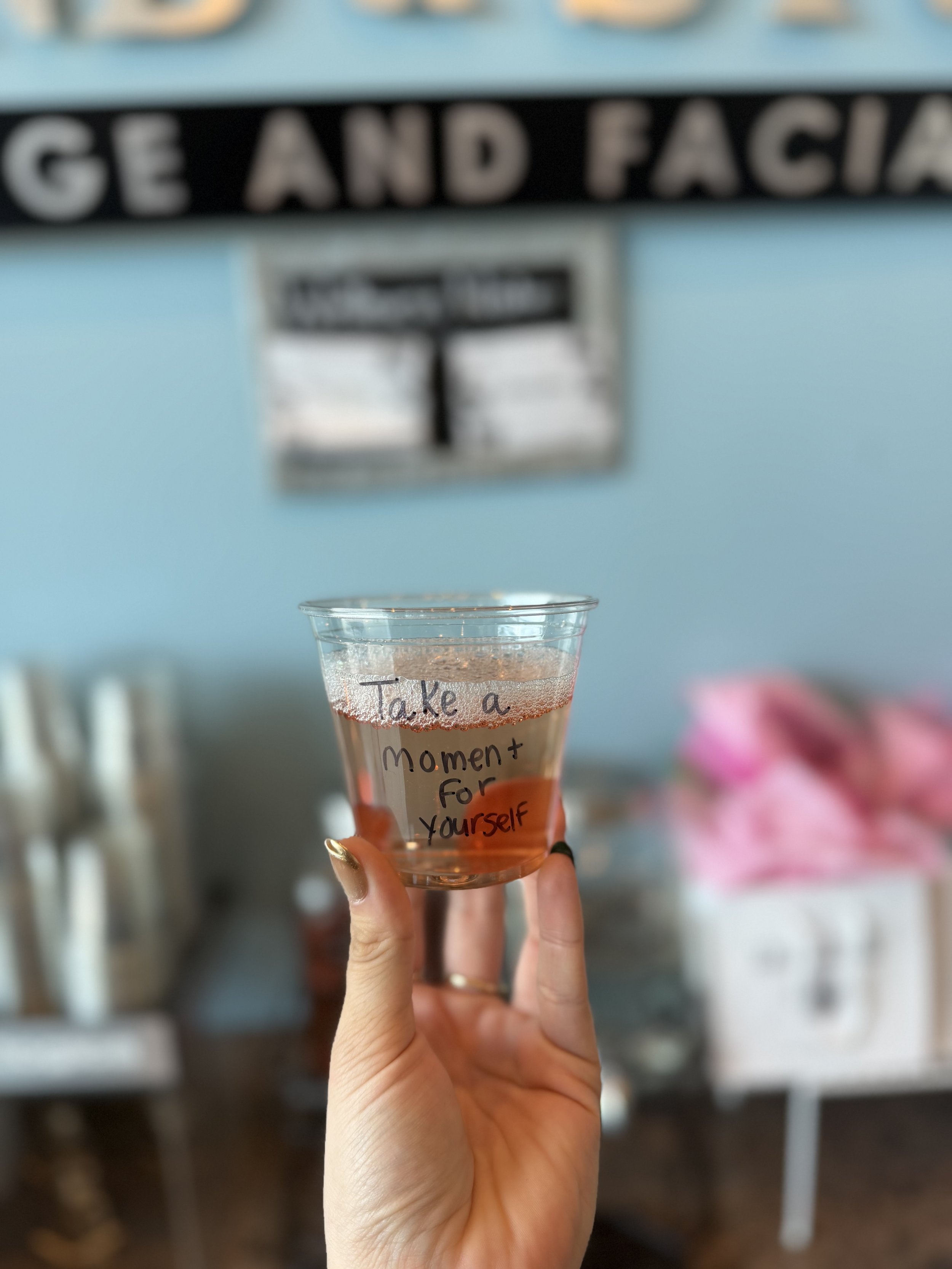
In a small, active space in Poughkeepsie, that intention is on display every day.
In the way guests are received.
In the way the team responds.
In the way a business chooses to operate, not just efficiently, but thoughtfully.
And in the space between walking in and returning to your day, something subtle but meaningful happens.
You are received.
You are cared for.
You are reset.
No lingering. No rush. Just enough.
A Hospitality Infusion.
We hope you enjoyed our time visiting with the Hand & Stone in Poughkeepsie, New York. Stop by and mention this post and you will receive $10 off any service.
Sources & References
Industry statistics from ISPA and Spa Business reports
Interview with Alyssa Winterberg, Manager of Customer Experience & Member Relations